
People around the world are hungry for economic freedom. They want the ability to choose how to make a living instead of having the government tell them how to do so.
As a result of this desire, a shocking number of people have taken matters into their own hands. A recent International Monetary Fund report estimates that about 2 billion workers operate in what is known as the “informal economy.”
The informal economy is the totality of activities that have market value and that, if recorded, would contribute to gross domestic product. Since informal economic activities are not recorded, they do not generate tax revenue, operate under governmental regulations, or enjoy the benefits of sound rule of law.
The informal economy helps many people find work. Without an informal sector, about 2 billion people would not have a wage. The problem is that these workers are not operating within the rule of law.
Sound rule of law is a vital piece of economic development. Since informal workers operate outside the bounds of the law, they are more likely to endure unsafe working conditions and receive harsh treatment from employers.
The informal economy is also problematic for the country where it is prevalent. If a country has a large informal sector, that means its many goods and services are not being taxed at all. This reduces the quality of public sector services since the government has less revenue.
TRENDING ARTICLES
So with 2 billion workers, why is the informal sector of the world economy so large?
Simply put, excessive government overreach. Many countries have placed so many regulations on employers that the cost of hiring a new worker is often greater than the value a company enjoys from an additional hire. This creates an environment where employers try to hire as many people “off the books” as they can while simultaneously keeping official employees at the lowest possible level.
To regain this loss of revenue, governments decide to increase the tax burden on the formal economy. This increased tax burden encourages companies to hire fewer official employees and engage in informal activity. Therefore, a vicious circle is created where taxes and the informal economy both increase.
The solution to this problem is simple: Get the government out of the way. Governments should pursue policies that make it easier for employers to bring on employees.
Excessive regulations that force employers to make social contributions and pay high legal administrative fees should be greatly reduced. Give employers the freedom to hire who they want to hire, and give employees the freedom to work where they want to work.
When economic freedom flourishes, people become wealthier, health outcomes rise, food security increases, and the environment becomes cleaner. When economic freedom contracts, the opposite outcomes occur.
Pursuing policies that create an environment where both employer and employee can flourish would go a long way in reducing global poverty and improving many lives.
Have an opinion about this article? To sound off, please email [email protected] and we’ll consider publishing your edited remarks in our regular “We Hear You” feature. Remember to include the URL or headline of the article plus your name and town and/or state.


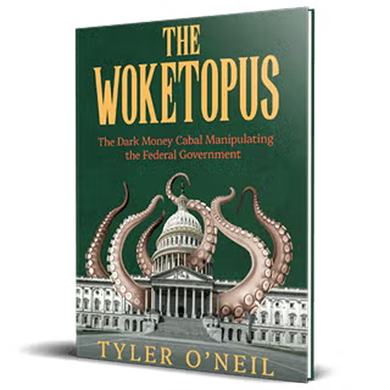
Read the first chapter of The Woketopus right now for FREE
Today, even with President Trump’s victory, leftist elites have their tentacles in every aspect of our government.
The Daily Signal’s own Tyler O’Neil exposes this leftist cabal in his new book, The Woketopus: The Dark Money Cabal Manipulating the Federal Government.
In this book, O’Neil reveals how the Left’s NGO apparatus pursues its woke agenda, maneuvering like an octopus by circumventing Congress and entrenching its interests in the federal government.
You can read the first chapter of this new book for FREE in this eBook, The Woketopus: Chapter One using the secure link below.


The Daily Signal depends on the support of readers like you.
RELATED ARTICLES


Don’t miss the

Don’t miss the signal