

Every student knows the smell.
The musty odor from an air vent. The dark stain spreading across a dorm ceiling. The damp corner of a communal bathroom.
Most students barely notice it. Others joke about it.
What many do not realize is that mold is more than an ugly stain or an unpleasant odor. Federal health agencies have linked mold exposure to a plethora of health issues. Yet mold in college housing remains one of the least-discussed student health issues on American campuses.
One of the authors of the present piece knows several college students who have experienced headaches and persistent coughs that were seemingly caused by moldy living conditions.
College dormitories are highly susceptible to mold growth. Aging buildings, shared bathrooms, poor ventilation, plumbing leaks, high humidity, and delayed maintenance all create ideal conditions for moisture to accumulate. Educational buildings frequently experience moisture-related issues.
TRENDING ARTICLES



When water intrusion from leaks or flooding is not addressed quickly and thoroughly, mold can begin growing within 24 to 48 hours. Yet students are forced to trust and rely on universities to identify, remediate, and communicate potential hazards.
In the last five years, dorm mold has been reported at colleges and universities in 42 out of the 50 states, with media reports of mold issues at 75% of Ivy League institutions. Even at schools known for offering some of the nation’s most prestigious educations, many students have often been denied something far more fundamental: a safe and healthy place to live. Academic excellence means little if students are forced to learn in housing conditions that may compromise their health.
Too often, mold in college housing is dismissed as little more than a maintenance issue rather than the public health concern it can become. The Centers for Disease Control and Prevention links exposure to damp, moldy environments with respiratory symptoms, chronic coughing, asthma attacks, and allergic reactions, while noting that persistent moisture and flooding create ideal conditions for mold growth.
Public health experts estimate that roughly half of U.S. homes have conditions associated with dampness or mold, and one widely cited analysis found that approximately 21% of asthma cases in the United States are attributable to dampness and mold exposure. Emerging research also suggests that mold may affect more than just the respiratory system, with a 2020 study in Brain, Behavior, and Immunity finding that mold inhalation triggered neuroinflammation and cognitive changes in animal models.
Additionally, it can be difficult for students to recognize when their living environments may be contributing to their health problems. Fatigue, frequent headaches, respiratory issues, or recurring illnesses are often dismissed as a normal part of adjusting to college life, which may include late nights, increased stress, poor sleep, or less-than-ideal dining hall food. As a result, a dorm’s indoor air quality or mold exposure as a culprit for health hazards is often overlooked, delaying both recognition of the problem and action.
This issue rarely receives the attention it deserves, and many colleges require students to live on campus for at least the first year—often at significant monetary cost. With that requirement and expenditure comes a responsibility to provide housing that is safe, healthy, and properly maintained. Students should not have to choose between pursuing their education and protecting their health.
A clean, well-maintained dormitory is not a luxury; it is the foundation of student success. Universities invest enormous resources in student wellness, but wellness begins with the place students sleep, study, and live.
Institutions cannot claim to prioritize student health while treating mold as an insignificant facilities problem. If colleges are truly committed to investing in the next generation, providing safe, healthy housing should not be optional—it should be the standard.

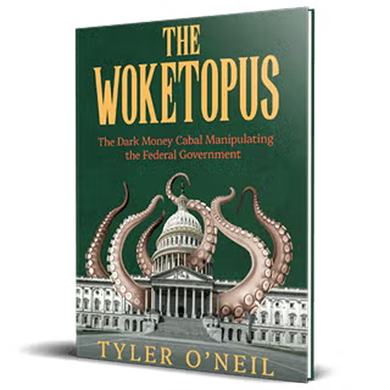
Read the first chapter of The Woketopus right now for FREE
Today, even with President Trump’s victory, leftist elites have their tentacles in every aspect of our government.
The Daily Signal’s own Tyler O’Neil exposes this leftist cabal in his new book, The Woketopus: The Dark Money Cabal Manipulating the Federal Government.
In this book, O’Neil reveals how the Left’s NGO apparatus pursues its woke agenda, maneuvering like an octopus by circumventing Congress and entrenching its interests in the federal government.
You can read the first chapter of this new book for FREE in this eBook, The Woketopus: Chapter One using the secure link below.




The Daily Signal depends on the support of readers like you.
RELATED ARTICLES





Don’t miss the
Don’t miss the signal