RealClearWire—In 2024, the Environmental Protection Agency tried to make it harder for hospitals to obtain essential sterilized medical equipment by threatening to regulate the American industry out of business. Two years later, the EPA is finally safeguarding the medical equipment supply chain by rescinding a damaging and badly conceived rule.
The rule centers on a substance known as Ethylene Oxide. Although it causes cancer when inhaled at unsafe levels, EtO is a critical chemical used to sterilize half of all medical equipment such as bandages, pacemakers, and surgical kits that cannot withstand other sterilization methods. In a 2024 Final Rule, the EPA tried to force medical sterilization centers to build near-perfect infrastructure to reduce their EtO emissions to 0.1%. Under the previous standard, the
EPA allowed only 1% into the atmosphere. To meet the new, more stringent standard, the 2024 Final Rule mandated Permanent Total Enclosure requirements that the EPA is now acknowledging were too expensive and risked shutting down small sterilization facilities. Most PTE systems are custom-designed, and the EPA estimates the annualized costs to implement would be $9.4 million per year, spread across 28 facilities. For larger businesses, adding over $335,000 in annual compliance costs is manageable, but slapping on such a large expense on a small business risks driving them out of business.
PTE requirements have also never been tried on such a large scale. The 2024 Final Rule incorrectly assumed that PTE rules in small-scale food and candy packaging warehouses (which are often as small as an average living room) could be applied to facilities that are 25 to 50 times larger.
Forcing manufacturing buildings that span tens of thousands of square feet to redesign their sterilization facilities to comply with the new PTE rules would require months of facility shutdowns. This would put a major strain on medical supply chains by shuttering smaller sites that can’t handle that kind of delay. It would also prevent hospitals from procuring the sterilized tools and medical devices they need.
The 2024 rule was never implemented and was actually delayed due to industry concerns over its feasibility and the national security imperative to maintain the U.S. medical supply chain. Essentially, the EPA concluded that additional controls beyond existing standards would produce minimal risk reduction at substantial cost.
TRENDING ARTICLES



When Congress amended the Clean Air Act in 1990, it recognized EtO as a hazardous chemical, while giving the EPA discretion on how to limit EtO emissions. When implementing the EtO regulations decades ago, the EPA originally ruled that the medical sterilization industry was not a significant source of these emissions, as part of its comprehensive plan to reduce EtO emissions nationwide.
Currently, there are only 88 commercial sterilization facilities in the entire U.S. Together, these 88 facilities account for less than 3% of total nationwide EtO emissions. When an industry that emits less than 3% of EtO is responsible for sterilizing 50% of the nation’s life-saving medical gear, as a matter of public health it is necessary to balance the needs of the medical supply chain against the minimal EtO emissions caused.
Finally, and most critically, there is no other immediate replacement chemical that can deeply sterilize sealed, bulk-packaged medical devices and supplies without destroying delicate plastics or electronics inside. Excessive regulation of an essential chemical may cause firms to relocate their operations abroad.
Regulating away the domestic use of the only currently known effective sterilization chemical in many contexts, for questionable environmental and health reasons, exposes U.S medical supply chains to unnecessary risks and artificially reduces economic competitiveness. One only needs to recall the supply shortages of personal protective equipment at the height of the recent COVID-19 pandemic, to appreciate the short-sightedness of regulating such an important medical industry overseas.
The EPA is right to reevaluate and rescind the 2024 Final Rule. Overly burdensome regulations would suffocate this vital industry and risk forcing a transition to foreign supply chains for medical sterilization when a domestic industry is already in place and flourishing. Removing this regulation will restore a balanced, scientific evidence-based approach to rulemaking that will boost economic growth, maintain existing environmental protections for surrounding communities, and safeguard our country’s medical supply chains.
This article was originally published by RealClearEnergy and made available via RealClearWire.

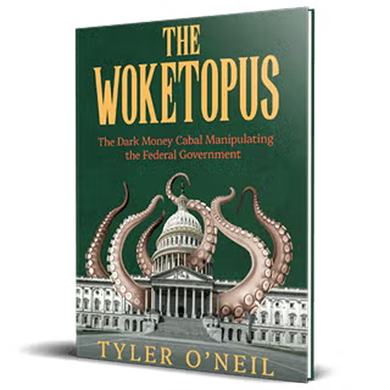
Read the first chapter of The Woketopus right now for FREE
Today, even with President Trump’s victory, leftist elites have their tentacles in every aspect of our government.
The Daily Signal’s own Tyler O’Neil exposes this leftist cabal in his new book, The Woketopus: The Dark Money Cabal Manipulating the Federal Government.
In this book, O’Neil reveals how the Left’s NGO apparatus pursues its woke agenda, maneuvering like an octopus by circumventing Congress and entrenching its interests in the federal government.
You can read the first chapter of this new book for FREE in this eBook, The Woketopus: Chapter One using the secure link below.




The Daily Signal depends on the support of readers like you.
RELATED ARTICLES





Don’t miss the

Don’t miss the signal