The Lebanese people are suffering.
A protest in the city of Tripoli turned violent mid-July when a hand grenade exploded, injuring five soldiers. Protests like this have become common in Lebanon due to the dire economic and political situation plaguing the country.
Lebanon’s economic hardships were foreshadowed by heightened levels of public sector debt, illiquidity in the banking sector, a decade of relatively no growth in the productive economy, and widespread political uncertainty, according the Middle East Institute.
Many Lebanese people took to the streets demanding reforms in October 2019. During this turmoil, capital inflows stopped, banks implemented restrictions on withdrawals, and the national currency quickly depreciated.
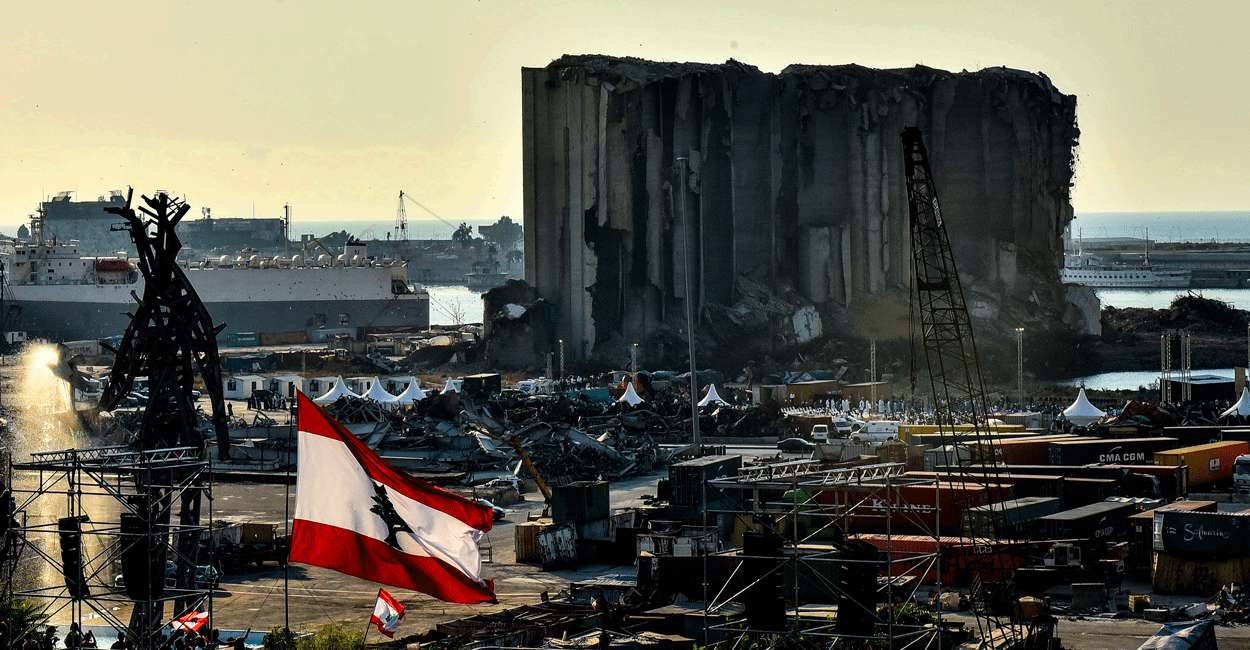
If all of that wasn’t enough, the COVID-19 pandemic hit the country hard and a large explosion about one year ago damaged a significant portion of Lebanon’s capital, Beirut.
As a result of such turmoil, inflation has skyrocketed, measuring 84.9% in 2020. The World Bank indicated in June that Lebanon is likely experiencing one of the worst financial crises the world has seen since the mid-1800s.
TRENDING ARTICLES

Lebanon’s current situation is problematic for the United States’ regional security interests. An unstable political climate may allow Hezbollah, an Iranian-backed terrorist group, to gain even more influence in the region. Hezbollah already holds over half of the Parliament seats in Lebanon and controls two government ministries.
Corruption is one of the most serious problems inhibiting Lebanon’s development, and the European Union recently enacted sanctions on targeted individuals and entities who undermine either democracy and/or the rule of law.
A joint statement by Secretary of State Antony Blinken and Treasury Secretary Janet Yellen gave support to the European Union’s actions. It stated, “The United States welcomes the [European Union’s] adoption today of a new sanctions regime to promote accountability and reform in Lebanon.”
Whether the sanctions will have the desired effect is uncertain.
The Heritage Index of Economic Freedom has noted for years the significant problems affecting the Lebanese economy. (The Daily Signal is the news outlet of The Heritage Foundation)
The 2021 Index of Economic Freedom rated Lebanon’s economy as “mostly unfree” for the ninth year in a row. It highlighted how feeble political institutions within the country were undermining the rule of law and severely limiting the ability of individuals to care for themselves and their families.
The fact that many of Lebanon’s problems seem to be structural indicates a quick recovery is highly unlikely. While many are unaware of the chaos being experienced in Lebanon, the people living there are experiencing the horrible conditions of what happens when a country collapses, the rule of law is thrown away, and freedoms are restricted.
Lebanon must strengthen its political institutions so that the rule of law can be upheld, while simultaneously increasing the amount of economic and political freedom the Lebanese people enjoy. If the proper balance can be achieved, many areas of life in Lebanon would improve, and political unrest would likely subside.
Have an opinion about this article? To sound off, please email [email protected] and we’ll consider publishing your edited remarks in our regular “We Hear You” feature. Remember to include the URL or headline of the article plus your name and town and/or state.


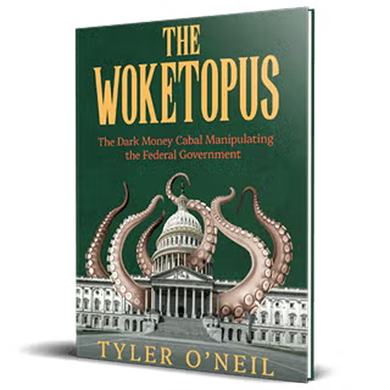
Read the first chapter of The Woketopus right now for FREE
Today, even with President Trump’s victory, leftist elites have their tentacles in every aspect of our government.
The Daily Signal’s own Tyler O’Neil exposes this leftist cabal in his new book, The Woketopus: The Dark Money Cabal Manipulating the Federal Government.
In this book, O’Neil reveals how the Left’s NGO apparatus pursues its woke agenda, maneuvering like an octopus by circumventing Congress and entrenching its interests in the federal government.
You can read the first chapter of this new book for FREE in this eBook, The Woketopus: Chapter One using the secure link below.

The Daily Signal depends on the support of readers like you.
RELATED ARTICLES

Don’t miss the
Don’t miss the signal