USDA Is Funneling ‘Trade Aid’ to the Agriculture Sector. It’s Old-Fashioned Corporate Welfare.
There is renewed hope for trade talks with China—a welcome development for the American economy. But the damage caused by the fight continues.
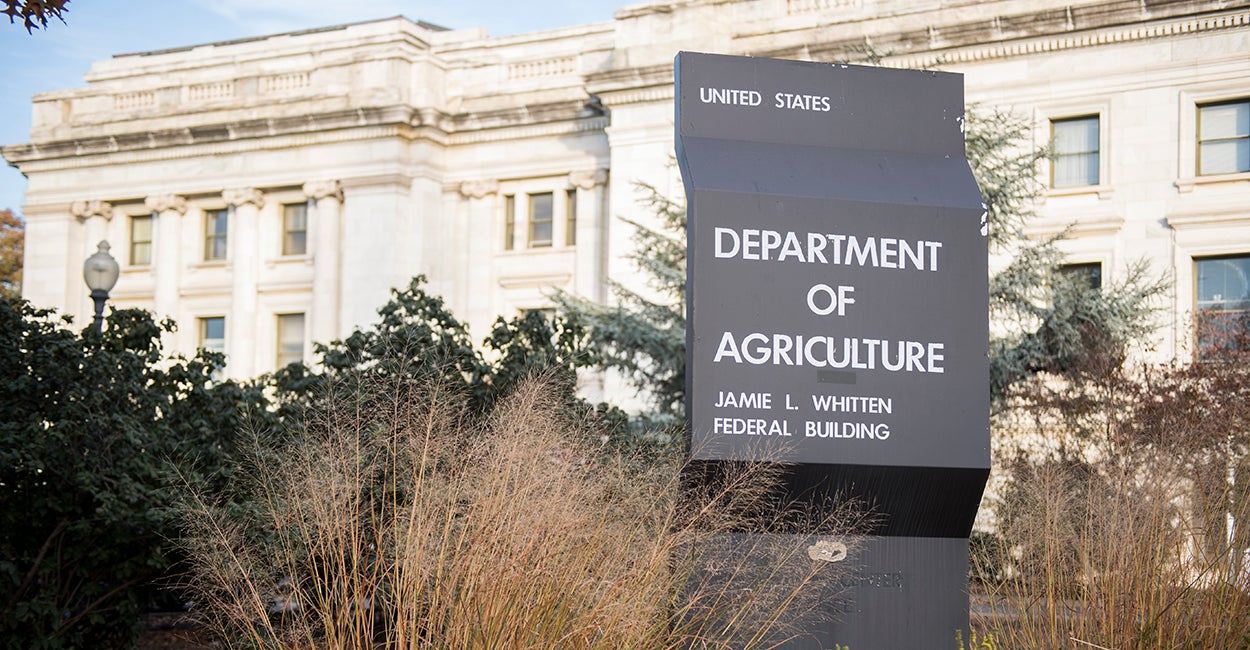
The U.S. Department of Agriculture is using the situation as an excuse to funnel more taxpayer money to the agricultural industry. It is spending $16 billion on trade aid for farmers affected by the trade fight with China.
This is on top of the $12 billion in allegedly “one-time” aid provided to farmers last year in response to trade disputes with various countries, including China.
If this wasn’t bad enough, it now appears the Department of Agriculture plans to use trade aid money to help farmers deal with nontrade-related issues.
Specifically, some farmers who have been unable to plant their cash crops because of inclement weather may be eligible for crop insurance assistance that helps farmers when they are prevented from planting crops. But this does not and should not qualify them for trade aid.
Enter the “cover crop.” As opposed to primary cash crops (crops sold for the market) such as corn, wheat, and soybeans, farmers use cover crops for secondary purposes such as soil health, livestock forage, or as a backup in case of bad weather.
TRENDING ARTICLES


The Department of Agriculture has informed farmers who were prevented from planting cash crops, due to the weather, that they still could get some trade aid if they plant cover crops.
The agency is not only transferring trade assistance money to help with weather-related harm, but it is also influencing planting decisions by encouraging farmers to plant crops they otherwise may not have grown.
This diversion of trade aid to nontrade-related matters only exacerbates the flawed policy of providing trade aid to farmers in the first place.
U.S. tariffs imposed on China have inevitably led to retaliatory tariffs on U.S. goods, including agricultural products. American families are hurt through higher prices and taxpayers are hurt through paying for the special trade aid for farmers.
Many industries, not just agriculture, are hurt through higher costs of imports and lost market opportunities in China. Yet, the agricultural industry receives preferential treatment even though farmers already receive billions of dollars per year in existing crop subsidies.
Even worse, this special agriculture trade aid also can create a justification for maintaining and even expanding tariffs, instead of opening up trade opportunities. In fact, that appears to be happening now.
With the federal government running enormous annual deficits that are partially financed by Chinese purchases of U.S. debt, Sen. Brian Schatz, D-Hawaii, correctly noted that “[w]e are borrowing money from China to pay our farmers to not sell their crops to China.”
Ultimately, the solution is to end the tariffs and commit to promoting freedom to trade. Until that can be achieved, the Department of Agriculture should stop trade aid and certainly not funnel money to farmers for nontrade-related issues.
Trade is truly about the freedom of individuals and businesses, including farmers, to voluntarily exchange goods and services with customers.
As the U.S. works through trade challenges with China, this principle of freedom to trade should be front and center.

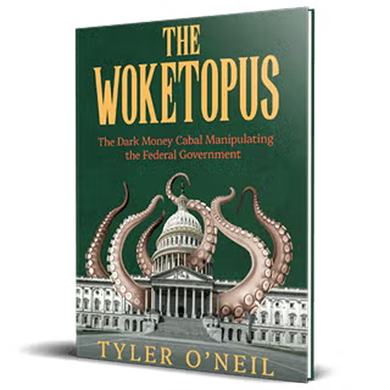
Read the first chapter of The Woketopus right now for FREE
Today, even with President Trump’s victory, leftist elites have their tentacles in every aspect of our government.
The Daily Signal’s own Tyler O’Neil exposes this leftist cabal in his new book, The Woketopus: The Dark Money Cabal Manipulating the Federal Government.
In this book, O’Neil reveals how the Left’s NGO apparatus pursues its woke agenda, maneuvering like an octopus by circumventing Congress and entrenching its interests in the federal government.
You can read the first chapter of this new book for FREE in this eBook, The Woketopus: Chapter One using the secure link below.

The Daily Signal depends on the support of readers like you.
RELATED ARTICLES


Don’t miss the

Don’t miss the signal