Thirty-eight of the biggest names in American business just sent a memo to City Hall, and it reads less like corporate lobbying and more like a performance review nobody asked for.
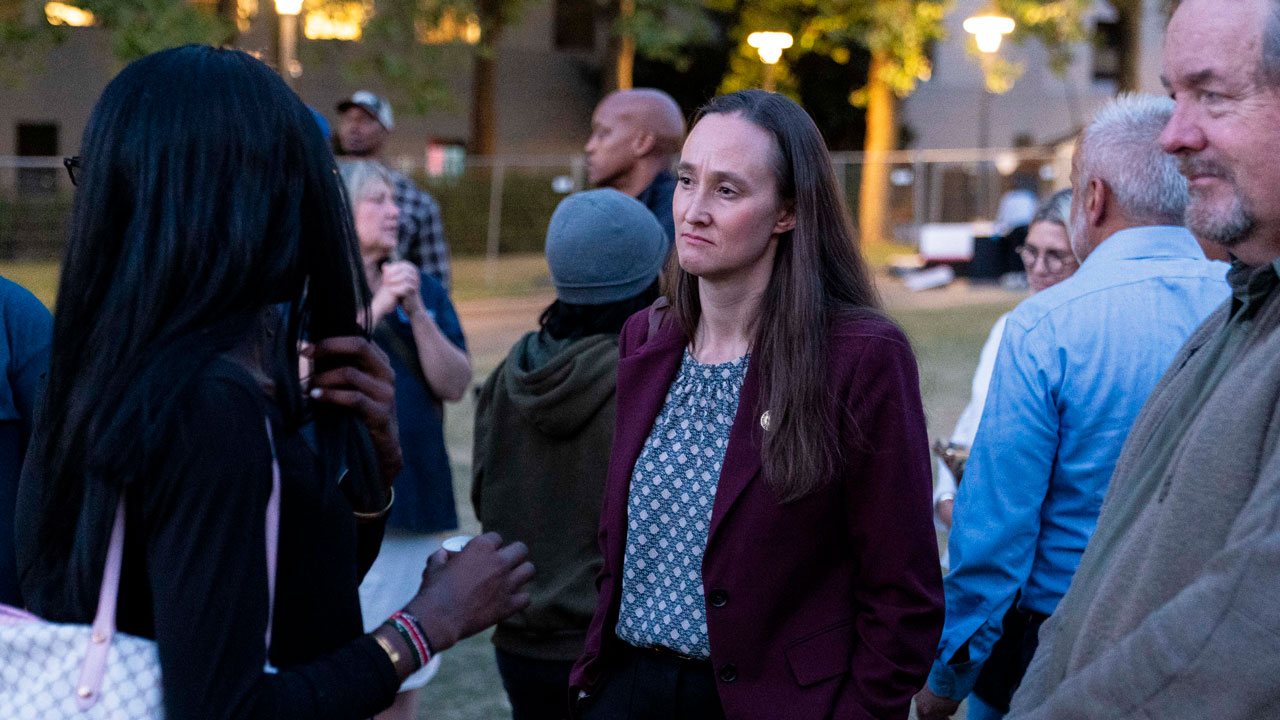
Microsoft, Starbucks, Costco, Nordstrom, Zillow, Alaska Airlines, T-Mobile, and the Seattle Mariners put their names on a letter to Seattle Mayor Katie Wilson demanding a public safety plan with a deadline, a budget, and monthly report cards. When Brad Smith and Brian Niccol start writing performance reviews for the mayor, you know the mayor’s own staff stopped writing them.
I have spent 30 years advising institutions on risk, and risk shows up first in the data nobody wants to read out loud. The coalition’s own numbers do the reading for them. A poll it commissioned in mid-August found just 34% of Seattle voters confident the city has an effective public safety plan. Every proposal the pollster tested cleared 75% support, and 90% of voters backed something as basic as foot and bicycle patrols in high-crime areas.
That is not a partisan split. That is a city agreeing with itself and watching its government do something else entirely.
The letter landed three days after a Labor Day weekend that saw three separate shootings in the Belltown neighborhood kill three young people and wound three more, one of them a 17-year-old boy shot a block from the waterfront. Wilson called it “tragic and unacceptable”, and she is right, but the timing tells its own story.
This is a city where the police chief resigned in July after a mass shooting at the Bite of Seattle festival killed three people and wounded four, including a 2-year-old, and where the mayor’s own administration spent the following week managing a communications crisis instead of a public safety one. Seattle has now had two mass-casualty shooting events and a leadership shakeup in six weeks, and it took corporate Seattle, not elected Seattle, to put a deadline on the response.
TRENDING ARTICLES



Here is the part that should bother every taxpayer regardless of party. The letter’s most specific data point comes from Nordstrom, which says police responded to only 29% of the 911 calls placed from its downtown Seattle flagship, compared to reported 100% response rates at its Southcenter and Bellevue stores.
That is Nordstrom’s own account, not an independently audited citywide figure, and it deserves that caveat. But when a company that has operated in downtown Seattle since 1901 has to compile its own 911 response data to make its case to the mayor, the burden of proof has quietly shifted from the citizen to the city.
Wilson is a self-described democratic socialist who narrowly won her seat in 2025, and her critics have been quick to make her governing philosophy the whole story. I would push back gently on that instinct, and not because the label is wrong. Ideology explains a mayor’s instincts, not a city’s outcomes. Seattle’s public safety strain is downstream of years of policy choices on policing budgets, prosecution priorities, and encampment enforcement made by multiple administrations, not one label on one ballot. The honest conservative critique is not “socialism causes crime.” It is that one-party rule, of any label, removes the electoral consequence that would otherwise force a course correction, and Seattle has been a one-party city for a generation.
That is the pattern worth naming, and it is not unique to Seattle. Chicago, Los Angeles, and New York carry their own versions of the same structural problem: durable one-party governance with no meaningful electoral check, regardless of how well or poorly any single administration performs on public safety in a given year.
Marcus Aurelius wrote that the object of life is not to be on the side of the majority, but to escape finding oneself in the ranks of the insane. A city that polls 75% support for foot patrols and still cannot deliver them has found exactly that kind of insanity, and it took a coalition of CEOs to say so out loud because the ballot box stopped doing its job.
Business leaders demanding lower crime and better city services is not exactly a shocking headline; safe streets are good for their bottom line. Critics will call this self-interested. Fine. Self-interest and the public interest point in the same direction here, and a coalition willing to put its name, its poll, and its own 911 data behind a 100-day deadline deserves credit for doing what City Council should have done years ago.
Seattle’s business community did not ask for a revolution. It asked for some basic competency, like a seven-minute 911 response, foot patrols, and a plan with a deadline attached. If that requires 40 of America’s biggest employers to write a memo to get a mayor’s attention, the problem was never really about policy. It is about whether elections still carry consequences in cities that have stopped holding any.
We publish a variety of perspectives. Nothing written here is to be construed as representing the views of the Daily Signal.
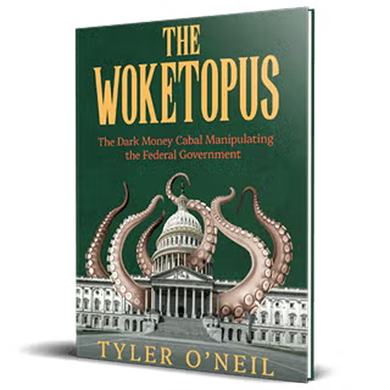
Read the first chapter of The Woketopus right now for FREE
Today, even with President Trump’s victory, leftist elites have their tentacles in every aspect of our government.
The Daily Signal’s own Tyler O’Neil exposes this leftist cabal in his new book, The Woketopus: The Dark Money Cabal Manipulating the Federal Government.
In this book, O’Neil reveals how the Left’s NGO apparatus pursues its woke agenda, maneuvering like an octopus by circumventing Congress and entrenching its interests in the federal government.
You can read the first chapter of this new book for FREE in this eBook, The Woketopus: Chapter One using the secure link below.


The Daily Signal depends on the support of readers like you.
RELATED ARTICLES


Don’t miss the

Don’t miss the signal