
California’s Tax Showdown: Billionaires Tax, Millionaires Tax, and More on November Ballot
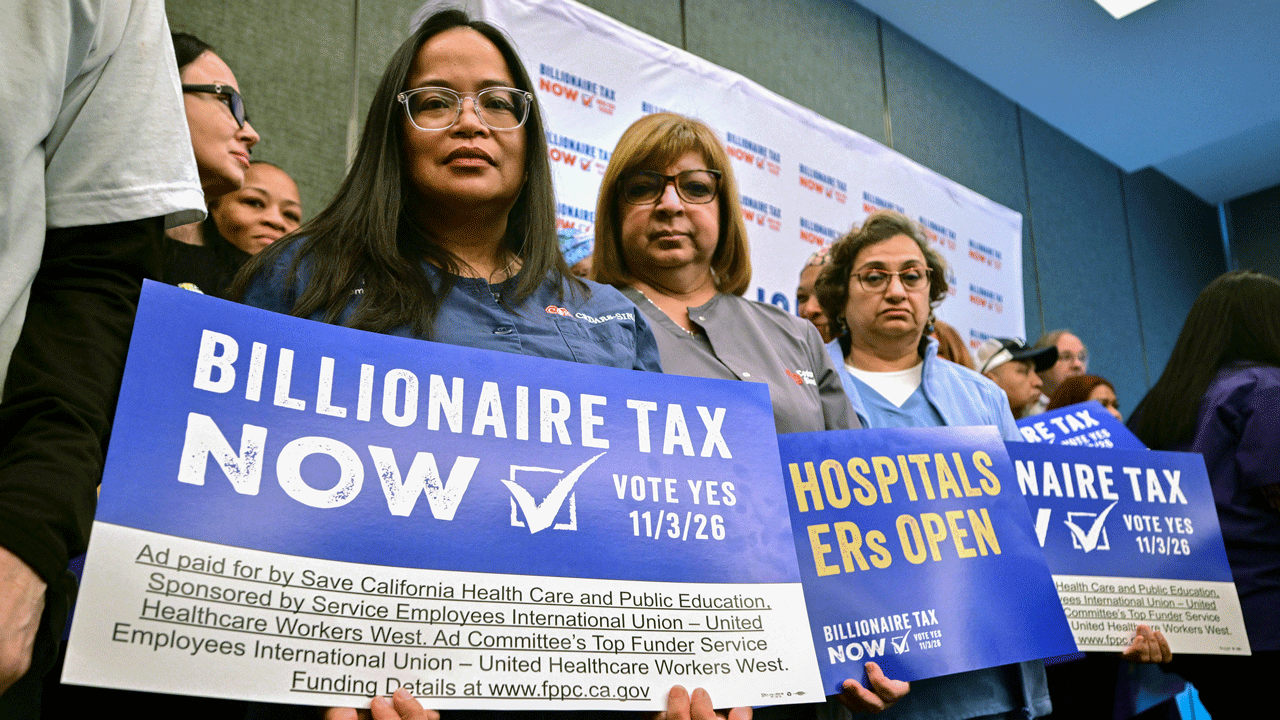
A lot is at stake on the November ballot, as Californians will decide whether to approve a series of tax-related ballot measures that could reshape how the state raises and spends money as lawmakers grapple with multibillion-dollar budget deficits.
Known as the “billionaires tax,” Proposition 40 would impose a one-time 5% tax on roughly 200 California billionaires.
According to the measure, 90% of the revenue would fund health care for low-income Californians, while the remaining 10% would go toward food assistance and education.
But opponents warn that the proposal could be the final straw for some wealthy Californians and business owners, prompting them to leave the state.
In a comment to the Daily Signal, David Kline, California Taxpayers Association vice president of communications and research, said the decisions made on November’s ballot will determine whether the state’s unemployment rate and cost of living get better or worse.
“The voters’ decisions on the major tax increases on the state and local ballots, along with the outrageous proposal to repeal the ban on using tax dollars for political campaigns, could determine whether California’s highest-in-the-nation unemployment rate and sky-high cost of living will get better or worse,” he said.
TRENDING ARTICLES



Kline offered a glimmer of hope to Californians if they reject the proposed taxes.
“High taxes have driven many employers and workers out of California, and additional tax hikes would only make things worse. On the other hand, Californians can reject the tax increases and send a strong signal that they want to make our state more affordable for residents and more attractive to job creators.”
To the surprise of many Californians, Gov. Gavin Newsom has publicly opposed the billionaires tax, explaining that while he supports taxing the wealthy at the federal level, a California-only wealth tax would make the state’s finances more volatile and encourage wealthy residents to relocate.
Another decision being made this November is whether the 14-year-old “millionaires tax” on Californians will be made permanent.
While often referred to as a tax on millionaires, Proposition 3 actually affects Californians earning less than $1 million. Under current law, single filers making more than about $360,000 and married couples earning more than roughly $721,000 fall into the state’s highest income tax brackets, with rates reaching 12.3%.
Those earning more than $1 million each year also pay an additional 1% mental health services tax on income above that threshold, bringing California’s top state income tax rate to 13.3%.
Proposition 3 would make those higher tax rates permanent.
Another measure drawing criticism would allow taxpayer dollars to once again be used to finance political campaigns, something that hasn’t been done in California since 1988.
With the exception of four cities in California, it’s illegal for taxpayer money to be used on political campaigns, but that could all change if Proposition 4 is approved by voters.
While supporters argue it would allow for more fairness in elections, taking away power from big donors, others say it would allow money to come from both sources.
In previous comments to the Daily Signal, Kline contested this argument.
“Proposition 4 has no limit on the number of candidates who can get taxpayer money and no limit on how much taxpayer money a candidate can get,” he said. “Proposition 4 would allow tax dollars to be used on negative ads, junk mail, and more annoying text messages, rather than to pay for services to the taxpayers.”
Beyond criticizing the measures individually, opponents have also organized a broader campaign, Reform California, against what they describe as California’s growing tax burden.
They urge voters to support several countermeasures they say will “make it harder for state and local politicians to increase taxes going forward.”
Those include Propositions 41, 42, and 43, nicknamed the “Taxpayer Protection Trio.”
With billions of dollars and the future direction of California’s tax policy on the line, voters will ultimately decide whether the state expands taxes and public spending—or reins them in.

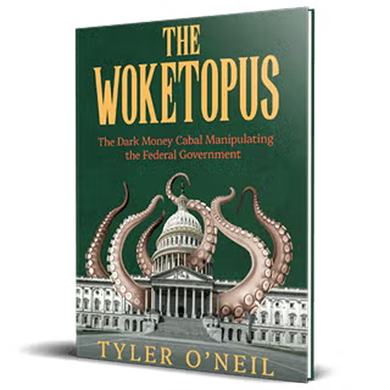
Read the first chapter of The Woketopus right now for FREE
Today, even with President Trump’s victory, leftist elites have their tentacles in every aspect of our government.
The Daily Signal’s own Tyler O’Neil exposes this leftist cabal in his new book, The Woketopus: The Dark Money Cabal Manipulating the Federal Government.
In this book, O’Neil reveals how the Left’s NGO apparatus pursues its woke agenda, maneuvering like an octopus by circumventing Congress and entrenching its interests in the federal government.
You can read the first chapter of this new book for FREE in this eBook, The Woketopus: Chapter One using the secure link below.
TRENDING ARTICLES


The Daily Signal depends on the support of readers like you.
RELATED ARTICLES





Don’t miss the

Don’t miss the signal