American colleges and universities are failing in one of their most basic missions: to equip students with the tools they need for a career.
Many students graduate ill-prepared to earn a living and pay off the debt they’ve accumulated getting their degrees—40% of those who start college don’t finish within six years.
Additionally, students are often subject to indoctrination into socialist ideology. They face hostility toward opinions that don’t conform to the predominantly leftist thinking on campus.
They’re also immersed in identity politics that pit students of different backgrounds against one another.
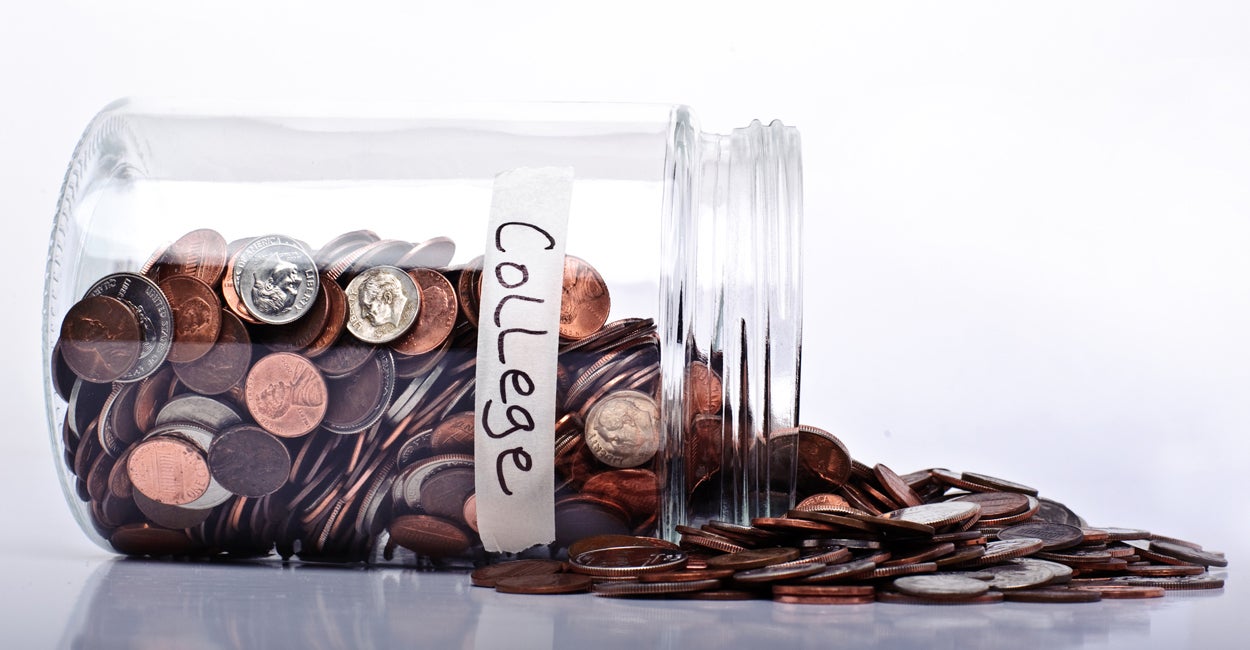
Despite these problems, colleges continue to raise tuition. Because federal loan money is handed out with little scrutiny as to the student’s ability to pay it back, colleges have had free reign to raise prices at levels often double the inflation rate.
Flush with all that money, their first spending priority often isn’t the classroom but the bureaucracy.
TRENDING ARTICLES



From 1987 to 2012, America’s higher education system added more than half a million administrators, doubling the number of administrators relative to the number of faculty.
To pay for these ever-increasing costs, students are borrowing more money and taking on more and more debt.
And with federal loans accounting for much of the $1.5 trillion in outstanding student loan debt and more than a million people defaulting on their loans, taxpayers are picking up much of the tab for this broken system.
So, what’s the solution?
While politicians often suggest throwing more money at the problem, that will only make things worse.
In fact, the surest way to stop the sharp rise in both college tuition and student debt is to get the federal government out of the student loan business.
That cuts off the open spigot of money that has allowed colleges to increase costs virtually without limit.
Restoring private lending will make the loan market more responsible and cause colleges to rein in costs, creating more affordable choices for students.
Private lending will also limit taxpayers’ exposure to billions of dollars in loan defaults.
One emerging private lending solution is coming from colleges themselves in the form of income share agreements.
Such agreements allow students to obtain financing from their schools and pay it back based on a percentage of their income after graduation.
That means their monthly loan payments are lower when their income is lower, ensuring that loan payoffs are more affordable, or that they can pay them off quicker when their income is higher.
This system allows students to see—before they take on debt or choose a major—what types of careers will allow them to pay off their loans quicker and what kind of future they are investing in.
This kind of cost savings and transparency is a win for students, for taxpayers, and for fiscal sanity.

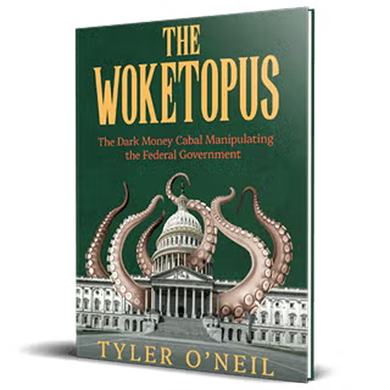
Read the first chapter of The Woketopus right now for FREE
Today, even with President Trump’s victory, leftist elites have their tentacles in every aspect of our government.
The Daily Signal’s own Tyler O’Neil exposes this leftist cabal in his new book, The Woketopus: The Dark Money Cabal Manipulating the Federal Government.
In this book, O’Neil reveals how the Left’s NGO apparatus pursues its woke agenda, maneuvering like an octopus by circumventing Congress and entrenching its interests in the federal government.
You can read the first chapter of this new book for FREE in this eBook, The Woketopus: Chapter One using the secure link below.
TRENDING ARTICLES


The Daily Signal depends on the support of readers like you.
RELATED ARTICLES




Don’t miss the
Don’t miss the signal