
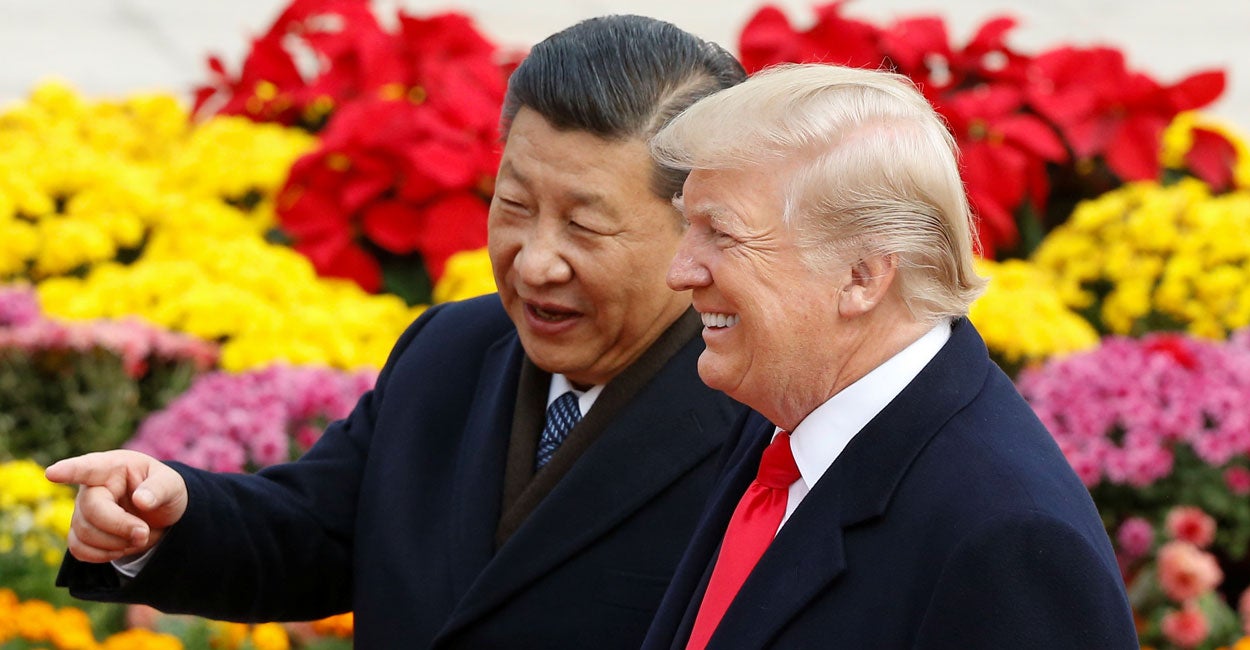
The president recently announced a three-pronged strategy to target China for its alleged “unfair trade practices.”
This new strategy includes challenging Chinese intellectual property practices at the World Trade Organization, further restricting Chinese investment, and imposing tariffs on consumer goods from China.
The administration’s approach represents a combination of good policies that will minimize harm to American businesses, farmers, workers, and families, as well as policies with good intentions that could have serious negative consequences.
America’s track record at the World Trade Organization is nearly perfect. In fact, the United States has won every case against China since 2004. President Donald Trump’s chief trade negotiator filed a consultation request with the World Trade Organization regarding “China’s discriminatory licensing practices.”
This could be a long process for the White House, but history shows that when proper channels at the World Trade Organization are utilized, China modifies its behavior. Since cases almost always weigh in our favor, the administration should continue to pursue these disputes.
Trump also asked the Treasury Department to propose ways in which it can further block Chinese investments in U.S. technologies. Fortunately, for the last year, Congress has been working to reform the Committee on Foreign Investment in the United States, the entity responsible for reviewing investment for national security concerns.
TRENDING ARTICLES



The White House’s efforts in this area are valid, but it should focus on working with Congress to make the necessary legislative changes rather than allowing Treasury to solely take the reins.
>>> Read the full report: The White House Needs Better Guidance on Its New China Trade Policy
While the first two strategies against China are somewhat in the correct direction, the consideration of tariffs on Chinese imports will only harm American businesses, farmers, workers, and families. History reveals that tariffs increase the price of imported goods, forcing American businesses and consumers to pay more than they would otherwise pay.
Trump’s proposed China tariffs should not be considered “good policy.” In fact, they should be avoided at all costs, as tariffs often lead to a tit-for-tat with trading partners. Pressuring China to the negotiating table with broad tariffs will harm Americans more than it will hurt China.
Instead, the Trump administration and Congress should work together to utilize trade tools, such as the World Trade Organization and the Committee on Foreign Investment in the United States, to improve trade between the American and Chinese people.


Read the first chapter of The Woketopus right now for FREE
Today, even with President Trump’s victory, leftist elites have their tentacles in every aspect of our government.
The Daily Signal’s own Tyler O’Neil exposes this leftist cabal in his new book, The Woketopus: The Dark Money Cabal Manipulating the Federal Government.
In this book, O’Neil reveals how the Left’s NGO apparatus pursues its woke agenda, maneuvering like an octopus by circumventing Congress and entrenching its interests in the federal government.
You can read the first chapter of this new book for FREE in this eBook, The Woketopus: Chapter One using the secure link below.
TRENDING ARTICLES


The Daily Signal depends on the support of readers like you.
RELATED ARTICLES



Don’t miss the

Don’t miss the signal
