
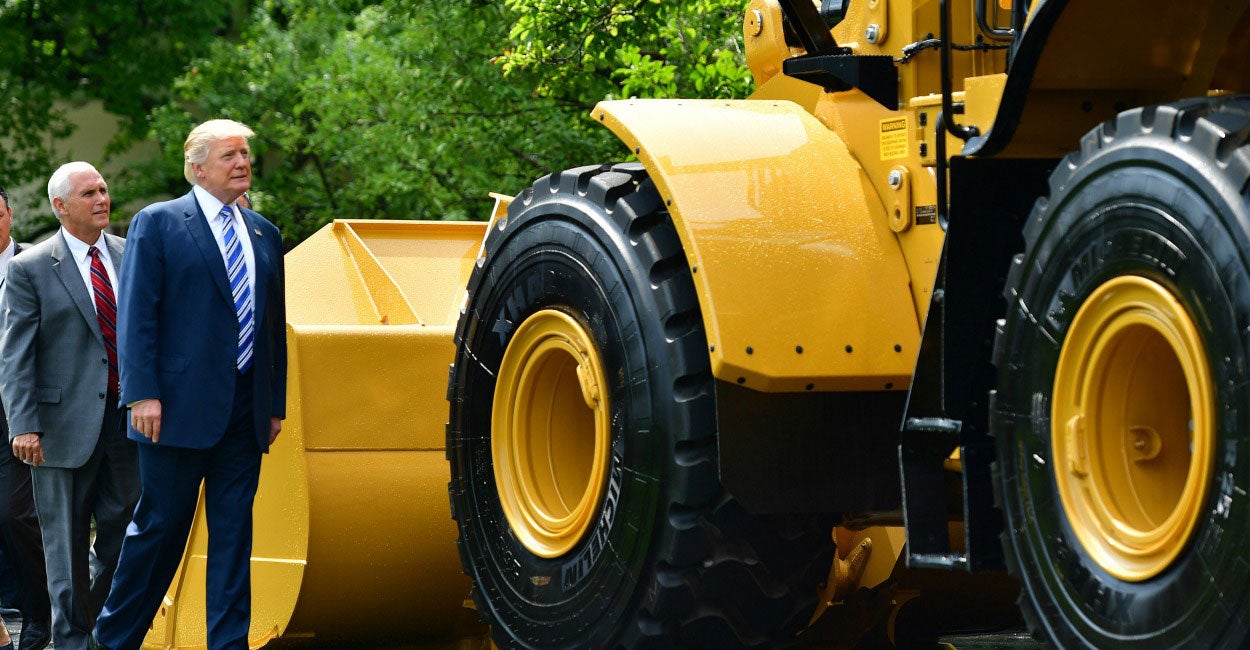
Earlier this week, craftsmen and entrepreneurs from all 50 states met on the White House lawn to celebrate American-made products, as a part of the newly proclaimed “Made in America Week.”
While the administration may see this week as a time to highlight the companies that have a sticker on their product that says “Made in the USA,” this week should have been a celebration of the diverse and sophisticated international supply chains utilized by those companies.
A “Made in the USA” sticker doesn’t always mean the product was 100 percent grown, sourced, or manufactured domestically. In fact, many of the companies present on Monday rely on intermediate goods that are imported from around the world.
These supply chains allow companies in America to produce quality products at competitive prices, and sell those products at home and around the world.
Here are a few of their stories.
Representing the state of New York at the “Made in America” showcase was Steinway, a world-famous piano manufacturer.
TRENDING ARTICLES



While all supplies and materials for Steinway pianos are sent to the United States for assembly, the company utilizes a global supply chain in order to guarantee the finished product is top-of-the-line.
Steinway uses mahogany wood imported from Bolivia and Brazil for key bed moldings, pedal lyres, and cross-banding veneer. Both New York and Hamburg Steinway pianos use keys made at Kluge Klaviaturen, a German company.
Sikorsky, a helicopter manufacturer from Connecticut, has a global supply chain as well. Aernnova, a Spanish company, provides key parts such as pylons, tail cones, cowlings, and horizontal stabilizers.
Tusas Aerospace Industries, located in Ankara, Turkey, supplies aerospace systems for fixed and rotary wing airframes and components to Sikorsky.
Caterpillar, headquartered in Illinois, is the world’s largest heavy equipment manufacturer. Caterpillar utilizes a global supply chain and even states its value on its website:
Crossing over 200 countries worldwide, we recognize the global and increasingly diverse business arena and consistently strive to reflect that environment in our customers, our business practices, and especially, our suppliers.
According to Bryan Riley, senior policy analyst at The Heritage Foundation, “U.S. manufacturers rely on [imports] to create American jobs and compete in the global marketplace … tariffs on intermediate goods drive up the cost of manufacturing.”
Congress and the administration should work together to remove all tariffs on intermediate goods so these American businesses, and countless others, can continue to grow and flourish.

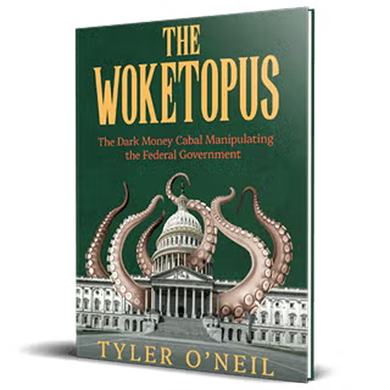
Read the first chapter of The Woketopus right now for FREE
Today, even with President Trump’s victory, leftist elites have their tentacles in every aspect of our government.
The Daily Signal’s own Tyler O’Neil exposes this leftist cabal in his new book, The Woketopus: The Dark Money Cabal Manipulating the Federal Government.
In this book, O’Neil reveals how the Left’s NGO apparatus pursues its woke agenda, maneuvering like an octopus by circumventing Congress and entrenching its interests in the federal government.
You can read the first chapter of this new book for FREE in this eBook, The Woketopus: Chapter One using the secure link below.
TRENDING ARTICLES


The Daily Signal depends on the support of readers like you.
RELATED ARTICLES


Don’t miss the

Don’t miss the signal