Why Federal Agencies Don’t Have to Listen to the Government Accountability Office
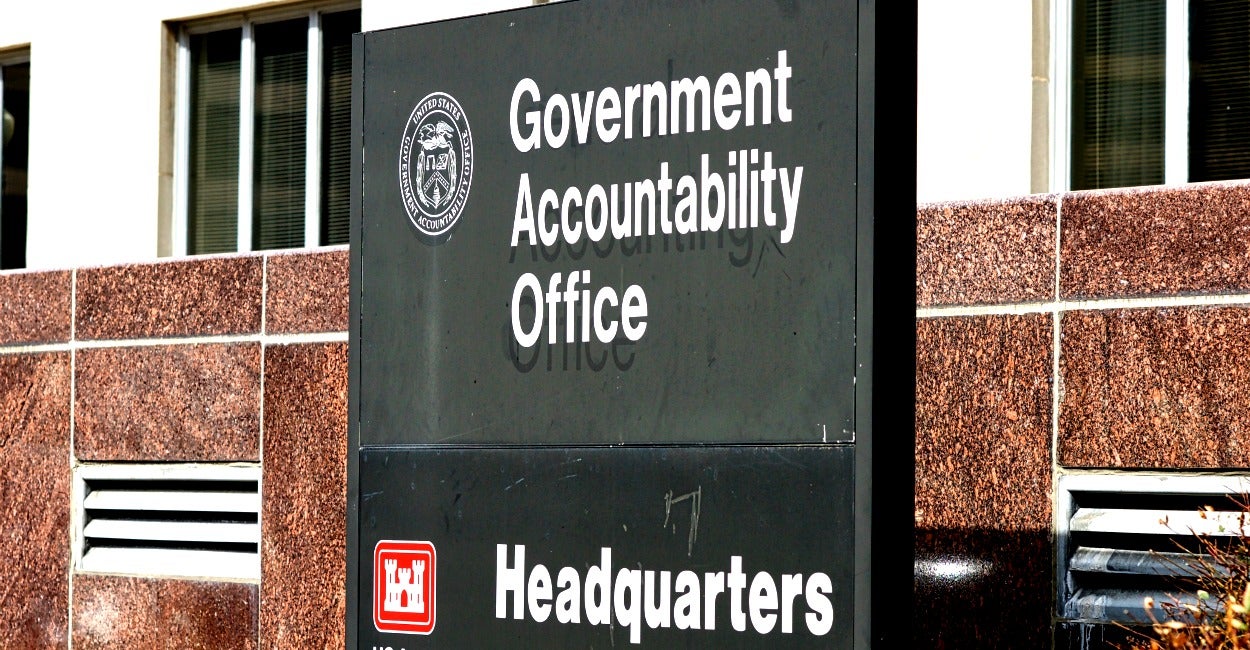
According to the Government Accountability Office (GAO), it has saved taxpayers from over $74 billion of would-be government waste since 2003. Federal watchdogs, like the GAO and the federal council of inspectors general, investigate wasteful spending and give suggestions to government agencies about how to eliminate it. Here’s the catch, federal agencies don’t have to listen them.
To address this issue, the Senate Homeland Security and Governmental Affairs Subcommittee on Regulatory Affairs and Federal Management held a hearing to explore why government agencies rarely heed cost-cutting recommendations from watchdogs.
The subcommittee chaired by Sen. James Lankford, R-Texas, heard representatives from the GAO and Inspectors general testify about agency wastefulness caused by fraud, abuse, and excess spending. GAO chief and U.S. Comptroller general, Gene Dodaro, used the example of a flawed Medicare coding system that paid recipients around $3.2 billion more than they were allotted.
Government waste doesn’t stop there. Since 2013, the National Institute of Health (NIH) spent nearly $1.1 million studying the impact college friends have on gaining the “freshman 15” (referring to weight students gain their freshmen year).
Unfortunately ridiculous studies aren’t the only factors driving wastefulness.
In 2015 alone, the GAO made 519 suggestions to eliminate duplicate spending. One such case occurred when the Environmental Protection Agency and Federal Drug Administration repeatedly inspected the same labs, for the same things, and taxpayers had to foot the bill. The National Institute of Health also dabbled in duplicative waste by spending almost $400,000 to build a new website out of old websites. The new site aims to teach parents and children about the hazards of dog bites.
TRENDING ARTICLES


Then there is “Virtual Sprouts,” a $220,000 dollar computer game where kids play in Michelle Obama’s virtual garden to learn about obesity.
Flat out bad government programs are also major contributors to federal waste. In March of this year, the Department of Agriculture announced $100 million in grants to promote renewable fuel. Fully implementing these grants under the Biofuel Infrastructure Partnership (BIP) program will cost a projected $200 million.
Piling on wasteful spending with corporate welfare policies is an abysmal use of taxpayer funds.
Agency mismanagement is another source. The Treasury Inspector General for Tax Administration revealed that in 2012 the IRS potentially spent $5.6 billion on education tax credits for ineligible students. That means more than 3.6 million people received tax benefits that they shouldn’t have. Spending flaws of this scale are exactly why federal watchdogs exist. Yet when watchdogs’ suggestions can be ignored without justification, agencies are free to ramp up wastefulness.
Luckily, there are ways to rein in spending. One such proposal is The Duplication Elimination Act introduced by Sen. Kelly Ayotte, R-N.H in early 2015 to curb government waste. The act would require congress to vote on a joint resolution to implement the GAO’s recommendations. Congress would then have to issue a report detailing which recommendations were omitted and why.
Another avenue to eliminate government waste would be to establishi an independent Government Waste Commission. The Heritage Foundation’s Romina Boccia has suggested modelling an independent waste commission from the Department of Defense’s Base Closure and Realignment Commission (BRAC). The successful BRAC program eliminates waste by establishing clear criteria for identifying bases for closures. Were congress to adopt similar measures for federal spending, it could reduce special interest influence and general wastefulness.
Proposals like these would restore accountability to federal agencies at a time when responsible spending seems to be a thing of the past. With 1,800 suggestions to cut wasteful spending issued every year, it’s no wonder that legislation like The Duplication Elimination Act and proposals to create independent waste commissions are garnering bipartisan support. Government spending needs to be put back on track and making agencies accountable to independent watchdogs would be a good first step.
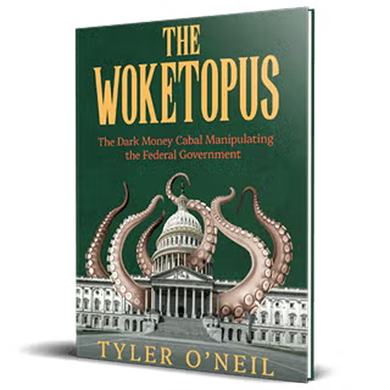
Read the first chapter of The Woketopus right now for FREE
Today, even with President Trump’s victory, leftist elites have their tentacles in every aspect of our government.
The Daily Signal’s own Tyler O’Neil exposes this leftist cabal in his new book, The Woketopus: The Dark Money Cabal Manipulating the Federal Government.
In this book, O’Neil reveals how the Left’s NGO apparatus pursues its woke agenda, maneuvering like an octopus by circumventing Congress and entrenching its interests in the federal government.
You can read the first chapter of this new book for FREE in this eBook, The Woketopus: Chapter One using the secure link below.
TRENDING ARTICLES


The Daily Signal depends on the support of readers like you.
RELATED ARTICLES





Don’t miss the
Don’t miss the signal