The state of media freedom in Africa is “grim,” according to the media freedom group Reporters Without Borders, which took stock of the situation recently on World Press Freedom Day. Outside the traditional bastions of democracy—North America, Europe, Australia, and Japan— the media in much of the world are increasingly troubled.
In the Middle East and North Africa, destabilization and the rise of radical insurgencies after the Arab Spring present imminent danger to the media. Journalists in sub-Saharan Africa also face numerous hardships, including imprisonment, censorship, and harassment. In sub-Saharan Africa, some governments fighting terrorist insurgencies ensnare journalists in their legal machinery. According to the human rights organization Freedom House,
Recent years have seen backsliding among both the top performers, such as South Africa, and the more repressive countries, such as The Gambia and Ethiopia. Lack of adherence to the rule of law, infringements on the freedoms of expression and association, widespread corruption, and discrimination against women and the LGBT community remain serious problems in many countries.
Freedom House rates sub-Saharan Africa as 12 percent free with a media that is just 3 percent free. In sub-Saharan countries, where conflict is tearing apart the fabric of society in the Central African Republic, Nigeria, and South Sudan, free media have declined steeply as the issue of security and the fight against terrorism has given governments a new excuse to crack down on media.
In Ethiopia, six bloggers and three journalists have been in prison for over a year. In Cameroon, anti-terrorism laws allow journalists to be tried under military jurisdiction. In Burundi, Radio Publique Africaine (African Public Radio) was closed down by the government in order to keep the radio station from reporting on anti-government demonstrations.
A further challenge, though also an important opportunity, is offered by social media. Citizen journalists communicating through social media constitute a budding trend in Africa. However, according to the nonprofit organization Intermedia, which assists the growth of independent media in developing countries, the key challenge regarding social media is to curtail the rampant spread of rumors, and help empower journalists to sort fact from myth.
TRENDING ARTICLES
There is some good news, though, regarding the media in sub-Saharan Africa, as measured by Freedom House. In Russia and China, where the full weight of the government is brought to bear on the media, media is simply “not free.” In sub-Saharan Africa, the state of media freedom is at least more mixed. Some countries are allowing free media to develop, while in others, laws that suppress the media are not airtight.
The bottom line is that journalists throughout Africa, struggling to cover everything from terrorism to civil wars and Ebola, need all the help the United States can provide, from training in journalistic practices to equipment and material support.
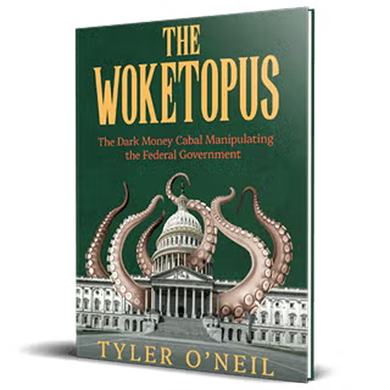
Read the first chapter of The Woketopus right now for FREE
Today, even with President Trump’s victory, leftist elites have their tentacles in every aspect of our government.
The Daily Signal’s own Tyler O’Neil exposes this leftist cabal in his new book, The Woketopus: The Dark Money Cabal Manipulating the Federal Government.
In this book, O’Neil reveals how the Left’s NGO apparatus pursues its woke agenda, maneuvering like an octopus by circumventing Congress and entrenching its interests in the federal government.
You can read the first chapter of this new book for FREE in this eBook, The Woketopus: Chapter One using the secure link below.

The Daily Signal depends on the support of readers like you.
RELATED ARTICLES

Don’t miss the
Don’t miss the signal