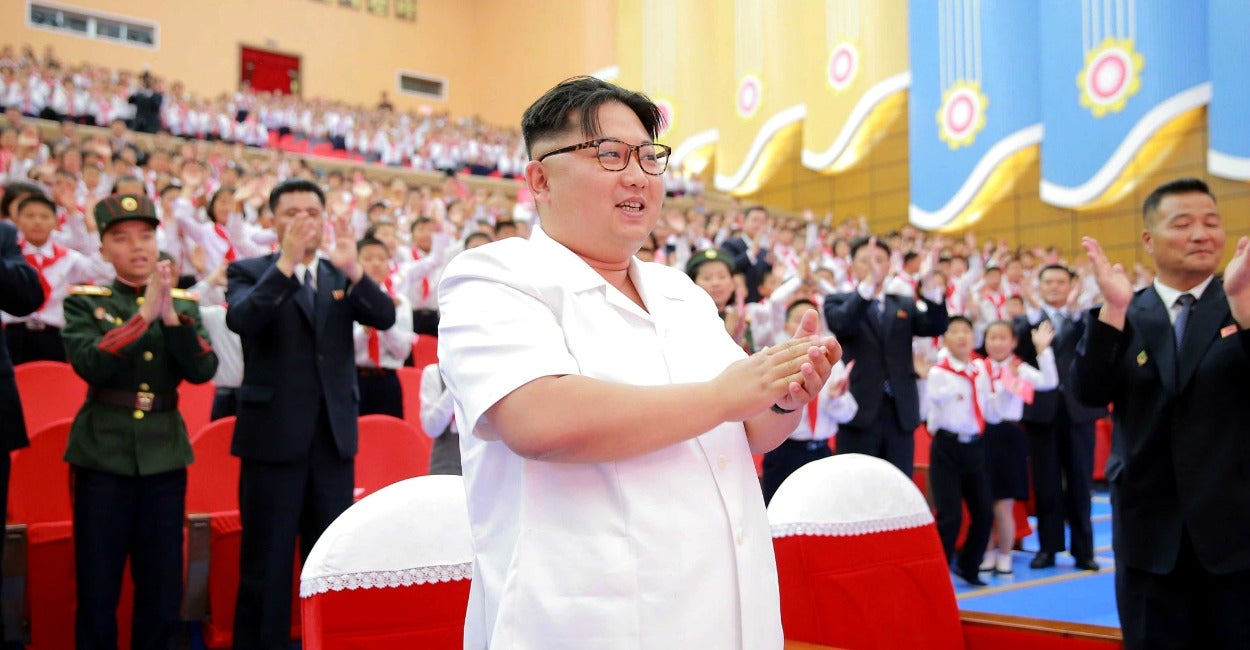
On July 6, the Obama administration imposed sanctions on North Korean leader Kim Jong Un and other senior North Korean individuals and organizations for human rights violations.
This is the first time that the U.S. has designated North Korean entities for human rights abuses. The administration should be commended for finally acting upon the February 2014 U.N. Commission of Inquiry report, which concluded that North Korea’s human rights violations were so widespread and systemic as to constitute “crimes against humanity.”
That said, the Obama administration’s action, like its designation last month of North Korea as a primary money laundering concern, was likely triggered by requirements in the North Korea Sanctions and Policy Enforcement Act approved by Congress in February.
The U.S. Department of the Treasury designated North Korean leader Kim, 10 other individuals, and five entities “for their ties to North Korea’s notorious abuses of human rights.”

Adam J. Szubin, acting under secretary for Terrorism and Financial Intelligence, indicated the sanctions were imposed since, “Under Kim Jong Un, North Korea continues to inflict intolerable cruelty and hardship on millions of its own people, including extrajudicial killings, forced labor, and torture.”
North Korea’s political prison camp system was cited for “torture, execution, sexual assault, starvation, slave labor, and other cruel extrajudicial punishment.”
TRENDING ARTICLES


Since the U.N. report two years ago, Obama administration officials repeatedly vowed to take action against Pyongyang’s human rights atrocities. For example, U.S. Ambassador to the U.N. Samantha Power declared in December 2015, “To the regime, our message is just as clear: We are documenting your crimes, and one day you will be judged for them.”
The tragedy was that the White House had the authority to sanction any North Korean official or entity for simply being part of the North Korean government. The United States had previously sanctioned by name the presidents of Belarus and Zimbabwe, as well as officials from other countries, for human rights violations. But until today’s action, the Obama administration had not sanctioned a single North Korean entity for human rights violations.
The U.S. Congress, frustrated by the timid incrementalism of the Obama administration, overwhelmingly approved the North Korea Sanctions and Policy Enhancement Act. The legislation closed loopholes, added authorities, and strengthened potential responses.
The Obama administration’s designation last month of North Korea as a primary money laundering concern was likely brought on by Section 201 of the law which “urge[d] the President, in the strongest terms—to immediately designate North Korea as a jurisdiction of primary money laundering concern” and imposed a requirement on the Secretary of Treasury to determine within 180 days whether “reasonable grounds exist for concluding that North Korea is a jurisdiction of primary money laundering concern.”
Similarly, Section 304 of the North Korea Sanctions and Policy Enhancement Act required the secretary of state to produce a report identifying North Korean entities “responsible for serious human rights abuses or censorship [and] make specific findings with respect to the responsibility of Kim Jong Un and of each individual who is a member of the National Defense Commission or the Organization and Guidance Department of the Workers’ Party of Korea, for serious human rights abuses and censorship.”
Sanctioning Kim Jong Un and others will not only have a direct financial impact on the North Korean regime, but could also have powerful secondary reverberations. Botswana severed diplomatic ties with North Korea after the publication of the U.N. report, while South Korea and other nations canceled economic contracts with North Korea after the regime’s most recent nuclear test.
The U.S. action on human rights will hopefully lead other nations to take similar measures to increase pressure on North Korea for its human rights abuses as well as repeated defiance of U.N. resolutions.

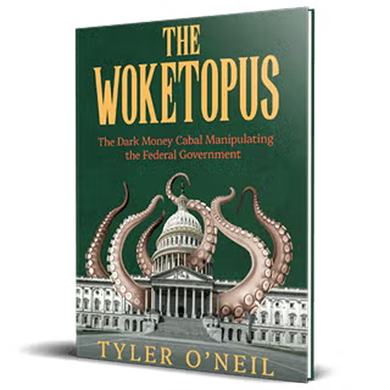
Read the first chapter of The Woketopus right now for FREE
Today, even with President Trump’s victory, leftist elites have their tentacles in every aspect of our government.
The Daily Signal’s own Tyler O’Neil exposes this leftist cabal in his new book, The Woketopus: The Dark Money Cabal Manipulating the Federal Government.
In this book, O’Neil reveals how the Left’s NGO apparatus pursues its woke agenda, maneuvering like an octopus by circumventing Congress and entrenching its interests in the federal government.
You can read the first chapter of this new book for FREE in this eBook, The Woketopus: Chapter One using the secure link below.
TRENDING ARTICLES


The Daily Signal depends on the support of readers like you.
RELATED ARTICLES

Don’t miss the

Don’t miss the signal