
Americans born after the mid-1990s have lived their entire lives in a world awash with hardcore pornography. Never has so much pornography been so available to so many at so little cost. Our laws leave much pornography effectively unregulated. Our technology, especially smartphones, brings portable, private porn shops to everyone’s phone.
Like today, there were no prosecutions for obscene libel in colonial America or in our early republic. Some take this as evidence that the American Founders were, like today’s progressives, indulgent toward obscenity.
As I show in a new report, in reality, the lack of obscenity laws in early America speaks to the strictness of morals and the costs of publishing and distribution. There were no laws against obscenity until there was obscenity, and there was no obscenity until there was cheap printing. As new technologies reduced printing costs, the national government almost immediately banned the importation of obscene materials, and state governments regulated obscene publications.
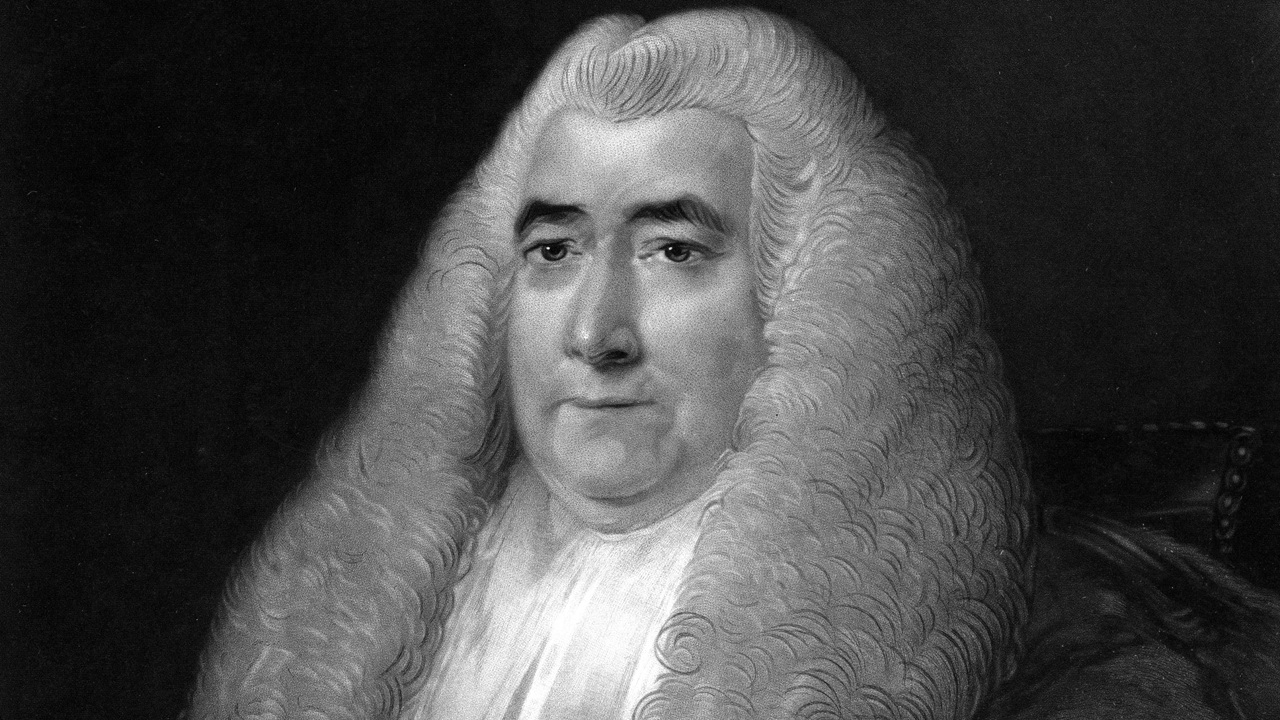
The founding generation accepted speech restrictions that furthered public morality. The Founders agreed with English jurist and legal theorist William Blackstone that the state had broad powers to regulate obscenity. In his “Commentaries,” Blackstone recognized that common law courts could sanction as libel “any writings, pictures, or the like, of an immoral or illegal tendency.” Justice James Kent similarly wrote in the American context that, to protect “the tender mercies of the young” from “gross violation[s] of decency … [t]hings which corrupt moral sentiment, as obscene actions, prints and writings … have … been held indictable.”
Only after obscenity arrived, however, did the statesmen of the early republic put such principles into practice. In 1803, Connecticut passed a law forbidding the “print, import, sale, or distribution of books, pamphlets, ballads or other printed material of an immoral tendency containing obscene language, prints, or descriptions.”
Criminal statutes banning obscenity were introduced in Vermont in 1821 and Massachusetts in 1835. In 1815, in Commonwealth v. Sharpless, a printmaker was indicted for displaying an obscene painting. The Pennsylvania Supreme Court upheld the conviction. In Commonwealth v. Holmes, the Supreme Judicial Court of Massachusetts upheld a conviction for publishing an illustrated edition of the erotic novel “Fanny Hill.”
TRENDING ARTICLES



Consider the developments in New York when the publication of “Fanny Hill” led to public outrage and legal responses. Obscenity prosecutions in New York City increased dramatically. Eventually, New York passed an obscenity statute. By the end of the Civil War, 20 states and four territories had passed obscenity statutes. In 1842, Congress passed its first anti-obscenity statute. In 1873, Congress passed the Comstock Act, banning the delivery of obscene materials through the mail.
As obscenity circulated through different media, laws were immediately passed, creating the American tradition of obscenity regulation. When radio and films arose, and later as television became popular, regulations were promulgated and implemented.
Even as courts loosened the definition of obscenity, governments still regulated pornography. Throughout the 20th century, when most obscene material was in print (or later on videocassette), zoning laws forced purveyors of obscene materials to remote interstate highway exits or other similar areas, keeping most pornography away from homes.
Yet this age-old consensus finally collapsed with the advent of the internet, the first technological advance made without a corresponding, effective law to regulate it.
Part of the problem was that the internet cut out the middleman. People could make pornography and then distribute it to any broadband customer; no porn shop was necessary. Zoning laws could no longer cordon off obscenity. The ubiquity of the internet might have prompted the court to extend legislative powers to regulate obscenity. Internet pornography was more easily available and potentially more pervasive.
The court instead rejected Congress’ efforts to regulate pornography as the internet era began. In 1996, Congress passed the Child Pornography Prevention Act and the Communications Decency Act. In 1998, Congress passed the Child Online Protection Act. The courts, seemingly taken with the internet’s technological promise, struck down restrictions against online pornography and obscenity in each case. As a result, the courts permitted private, ubiquitous, and unfettered access to pornography for children and adults alike.
From the Founding through most of American history, courts allowed the legislature to control pornographic material. Judicial reactions to internet pornography broke this tradition to our great detriment. Recent Supreme Court cases allowing states to require age verification for minors accessing obscene material online, however, may point toward its partial restoration.
We publish a variety of perspectives. Nothing written here is to be construed as representing the views of the Daily Signal.
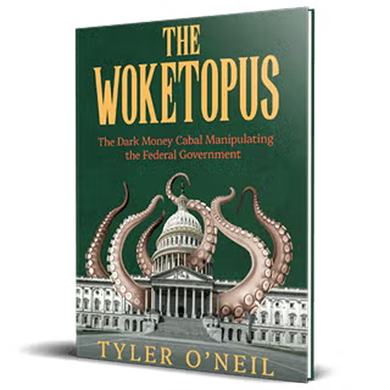
Read the first chapter of The Woketopus right now for FREE
Today, even with President Trump’s victory, leftist elites have their tentacles in every aspect of our government.
The Daily Signal’s own Tyler O’Neil exposes this leftist cabal in his new book, The Woketopus: The Dark Money Cabal Manipulating the Federal Government.
In this book, O’Neil reveals how the Left’s NGO apparatus pursues its woke agenda, maneuvering like an octopus by circumventing Congress and entrenching its interests in the federal government.
You can read the first chapter of this new book for FREE in this eBook, The Woketopus: Chapter One using the secure link below.
TRENDING ARTICLES


The Daily Signal depends on the support of readers like you.
RELATED ARTICLES





Don’t miss the

Don’t miss the signal