
Requiring Citizenship to Vote Is a Call to Common Sense: Will It Fall on Deaf Ears?
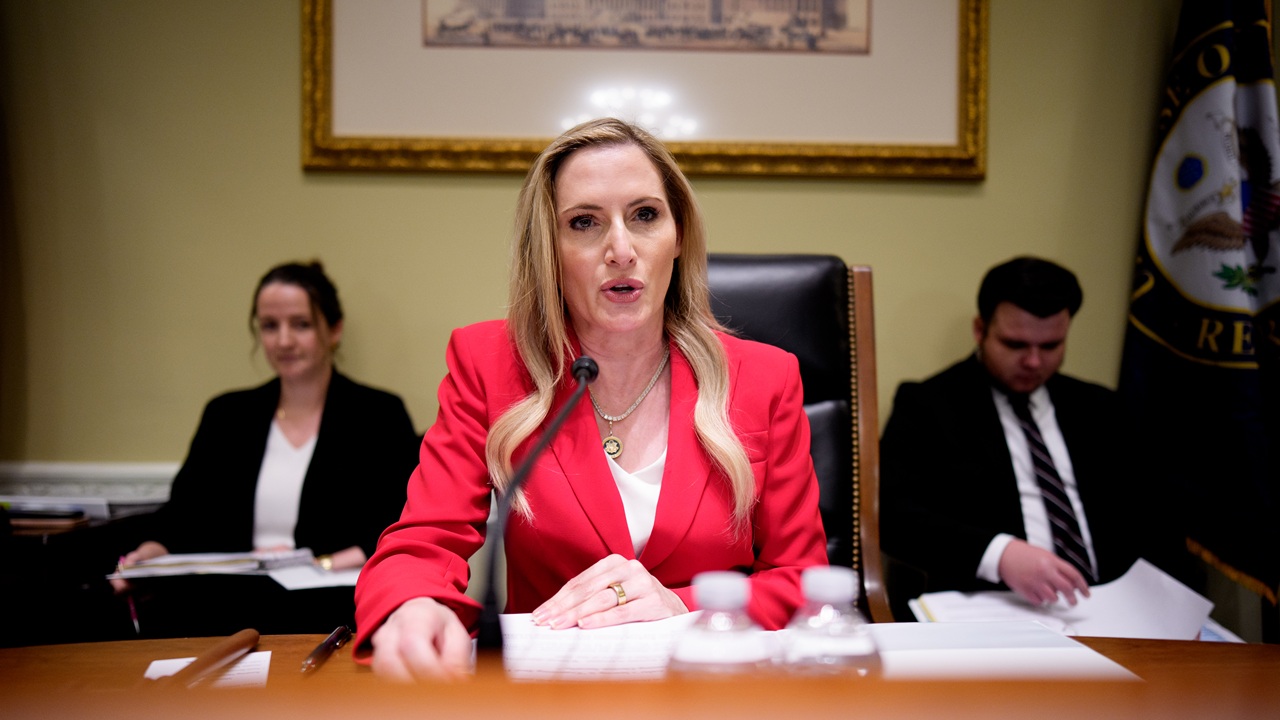
While most eyes on Washington are focused on the SAVE America Act, a new constitutional amendment is percolating in the halls of Congress. Rep. Laurel Lee, R-Fla., recently proposed a constitutional amendment that would codify citizenship as a permanent requirement to vote in federal elections.
The amendment is titled “Proposing an amendment to the Constitution of the United States to ensure that only citizens are eligible to vote in Federal elections,” and the language of Section 1 of the proposal is as clear as the title: “only citizens of the United States may qualify to vote in any primary or other election for President or Vice President, for electors for President or Vice President, or for Senator or Representative in Congress.”
In explaining the amendment, Lee stated that “for generations, Americans have shared a clear and common understanding: voting in federal elections is a right reserved for United States citizens. While current federal law reflects that consensus, the Constitution itself does not explicitly require citizenship for voting in federal elections. This amendment provides the clarity and permanence needed to ensure that this fundamental principle is protected.”
Section 2 of Lee’s amendment delegates the actual verification of citizenship to state legislatures, pending federal oversight. If states do not contradict federal regulations, they can craft their own method of ensuring that only citizens vote in federal elections.
Federal law currently prohibits noncitizens from voting in federal elections, but federal law can change, and Congress only has certain powers provided to it under the Constitution enforcing qualifications in voting. Constitutional attorney Graves Garrett Greim explains that a constitutional amendment is necessary to guarantee citizen-only voting in federal elections.
Legislators can change the law for any reason or no reason at all. As we see in California, the Los Angeles Board of Supervisors is now considering allowing noncitizens the right to vote in city elections. It is possible that a future Democrat-controlled Congress may share the same sentiment and repeal the current law prohibiting noncitizens from voting.
TRENDING ARTICLES



Without a constitutional amendment, there may be little lasting or uniform protection from noncitizens voting in federal elections, and any Congress could simply change the rules of the road. Amendments, while not permanent, are much harder to repeal than mere statutes. Ensuring that American elections are open only to American citizens should be common sense, but most Democrats seem unwilling to enact measures to voter registration rolls exclusively for citizens.
Co-sponsor Rep. Russell Fry, R-S.C., highlighted that “the vast majority of Americans overwhelmingly support proof of citizenship to vote.” According to a 2024 Gallup poll, 83% of Americans support the requirement to prove citizenship when registering for the first time.
Despite popular support, the amendment’s chances of success are not exactly promising because of entrenched partisan opposition. To date, there are no Democratic co-sponsors to the legislation, even though citizenship is the most fundamental requirement to vote.
Almost 12,000 amendments to the U.S. Constitution have been proposed to date, but only 27 have been codified into our nation’s highest law. The amendment process established by Article V of the Constitution is laborious—an intentional move by the framers to insulate the document from the frequent fluctuations of public opinion.
Every enacted Constitutional amendment tells the same procedural story. Each amendment was proposed to Congress and approved by a two-thirds vote in both the House and the Senate. Then, the states individually voted on whether the amendment should be added. Once three-fourths of the states (today 38 states) ratified the amendment, it became part of our Constitution.
Concerned with the potential danger of Congress ignoring popular desires for reform by citizens, the framers established an alternative means of ratifying amendments. If two-thirds of state legislatures (i.e., thirty-four states) submit formal applications, Congress must call a national convention for proposing amendments. While there have been several close calls, no such convention has ever been called to meet.
Given the general difficulty of ratifying amendments and the current partisan differences on the Hill, the road to ratification for Lee’s amendment appears steep. It presents a poignant lesson on partisanship and the inability of many representatives of the people to place the importance of protecting our electoral system over partisan factors.
Regardless of whether Lee’s amendment is successfully sent to the states, the consideration (or lack of consideration) in this Congress may provide a lesson on the dangers of mindless partisan opposition. A commonsense amendment should rise or fall on its merits, and this is an easy decision. Yet, once again, this issue is caught in the crossfire of contemporary political polarization in addition to being overshadowed by other priorities.

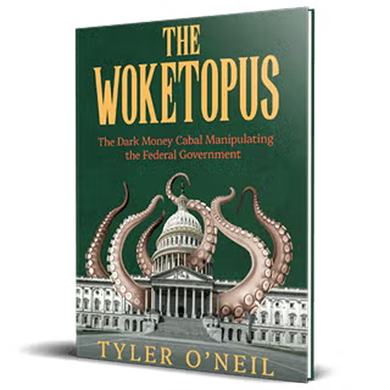
Read the first chapter of The Woketopus right now for FREE
Today, even with President Trump’s victory, leftist elites have their tentacles in every aspect of our government.
The Daily Signal’s own Tyler O’Neil exposes this leftist cabal in his new book, The Woketopus: The Dark Money Cabal Manipulating the Federal Government.
In this book, O’Neil reveals how the Left’s NGO apparatus pursues its woke agenda, maneuvering like an octopus by circumventing Congress and entrenching its interests in the federal government.
You can read the first chapter of this new book for FREE in this eBook, The Woketopus: Chapter One using the secure link below.




The Daily Signal depends on the support of readers like you.
RELATED ARTICLES





Don’t miss the

Don’t miss the signal