
America has made a sacred promise—some might call it a contract—to our veterans. That contract should never be broken. But does upholding it mean that Congress must maintain every veterans’ program exactly the way it is today? Or could keeping that promise mean having the courage to evaluate whether veterans’ programs are still effective at accomplishing their intended missions?
Those are questions missing from the debate around the Take Care of America’s Veterans Act. What we’ve heard instead is a genuine policy debate reduced to a bumper sticker: “Republican bill strips veterans’ benefits. Honor the contract!”
That framing ignores both the merits of the bill and the larger question Congress and veterans service organizations should be debating: Will Congress fulfill its Article I duty to review and reform federal programs or will politically sensitive reforms become impossible to change when special interests mobilize against them?
The Take Care of America’s Veterans Act incorporates several significant benefits expansions, including the Major Richard Star Act and provisions from the Love Lives On Act, as well as potential changes to elements of the Department of Veterans Affairs disability rating schedule.
That is why some veterans service organizations reducing the Take Care of America’s Veterans Act to “stripping away veterans’ benefits” is so deeply misleading. Illustrations of government bureaucrats aiming rifles at veterans standing in a firing line may generate outrage and sell T-shirts. Still, they do little to explain the policy’s actual merits.
The deeper issue is that veterans’ policy risks becoming a one-way ratchet. Expand eligibility, create a new presumption, add a benefit, or increase compensation, and Congress is keeping the promise. Reexamine an existing method of establishing a rating, and Congress is breaking that promise.
TRENDING ARTICLES



A system in which Congress may only add but is never allowed to evaluate, refine, or modernize is one in which Congress abdicates its Article I responsibility. The Constitution requires Congress to assess whether federal programs remain medically credible, are fiscally responsible, and are true to their statutory purpose.
The Take Care of America’s Veterans Act addresses concurrent receipt rules affecting combat-injured medical retirees through the Major Richard Star Act. The Congressional Budget Office estimates the proposal would increase direct spending by approximately $78 billion over 10 years.
For years, veterans service organizations have urged Congress to address concurrent receipt rules for retirees to allow eligible retirees to receive military retired pay and Department of Veterans Affairs disability compensation simultaneously.
The Take Care of America’s Veterans Act also expands survivor benefits through the Love Lives On Act, which the CBO estimates would increase spending by about $2 billion over 10 years.
Together, these two bills demonstrate that the Take Care of America’s Veterans Act expands benefits while also proposing reforms and medically credible modernization to portions of the disability rating system.
The package has divided the veteran community. Of note, no veterans service organization represents all veterans. Veterans service organizations advocate. Congress governs. Veterans deserve a debate grounded in facts rather than slogans.
The Veterans of Foreign Wars and Disabled American Veterans argue the legislation fails to “honor the contract” with future veterans. Their central concern is Section 108 and the proposed changes to disability rating criteria for obstructive sleep apnea and tinnitus. VA estimates that the changes could reduce future disability compensation by approximately $57 billion over 10 years and impact up to 1.5 million future veterans.
Those are large figures and warrant examination. But before we declare that Congress has defaulted on its promise to veterans, we should understand what is actually going on. The funds are intended to compensate for disability caused by service-connected injury or disease, not simply the presence of a diagnosis.
The proposed changes would not reduce disability compensation already in effect. Instead, they would change how certain claims filed after enactment are evaluated. Future claimants could receive a different—and in some cases lower—rating than they might under today’s schedule.
Which brings us back to the central unspoken question at the core of the controversy. Is it ever possible for Congress to modernize the VA Schedule for Rating Disabilities, or is every potential improvement doomed to be labeled as somehow betraying America’s veterans?
Congress is not doing something unprecedented simply by legislating in this area, nor is it doing it in a vacuum.
The VA is hard at work updating the VA Schedule for Rating Disabilities to reflect advances in medicine, language, and evaluation criteria that are more closely aligned with modern clinical practice. Congress routinely evaluates recommendations developed by executive agencies and determines whether they should become law.
If the methodology reflected in Section 108 is consistent with VA’s own disability-rating modernization work, then Congress is not inventing a new framework. It is exercising its constitutional responsibility to decide whether those recommendations should be codified into statute. That is not an abdication of Article I authority; rather, it is an exercise of it.
Obstructive sleep apnea provides a good example of the policy rationale. Treatment for sleep apnea does not always result in the same level of disability. However, under the current schedule, veterans prescribed a CPAP generally receive the same disability rating no matter how disabled they are after treatment. Section 108 seeks to rectify that by focusing more on residual disability rather than prescribed treatment.
Whether Congress has the right balance is worth debating. But determining how disabled a veteran remains after treatment is a legitimate policy question. It’s not a dereliction of America’s promise to its veterans. Rating residual impairment and the effectiveness of treatment does not question whether sleep apnea is real. It asks how disabling the condition remains after treatment.
Criteria for disability rating must be based on medical findings, not fiscal convenience. Tying compensation more closely to residual disability is not a betrayal of America’s promise to our veterans. It reflects Congress’ constitutional responsibility to ensure disability compensation continues to measure disability as medicine evolves. It is also good stewardship and sound public policy.
Veterans service organizations are here to advocate. Congress has a constitutional mandate. Lawmakers must weigh advocacy with medical advancements, stewardship, equity, and sustainability.
Valid criticism of the Take Care of America’s Veterans Act can focus on why the rating criteria aren’t ideal, dispute the underlying medical conclusions, or disagree with how it’s funded. That’s legitimate policy debate.
Our veterans deserve better than slogans, sound bites, and political talking points. They deserve a disability compensation system that’s medically credible, equitable, and can honor America’s promise to future generations of heroes.
The nation’s promise to our veterans is sacred. The policies we use to keep that promise are not. They should be measured, tested, and refined to ensure they accomplish their mission.
That is not breaking the promise. That is how we keep it.
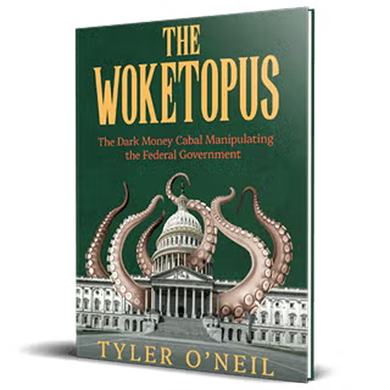
Read the first chapter of The Woketopus right now for FREE
Today, even with President Trump’s victory, leftist elites have their tentacles in every aspect of our government.
The Daily Signal’s own Tyler O’Neil exposes this leftist cabal in his new book, The Woketopus: The Dark Money Cabal Manipulating the Federal Government.
In this book, O’Neil reveals how the Left’s NGO apparatus pursues its woke agenda, maneuvering like an octopus by circumventing Congress and entrenching its interests in the federal government.
You can read the first chapter of this new book for FREE in this eBook, The Woketopus: Chapter One using the secure link below.




The Daily Signal depends on the support of readers like you.
RELATED ARTICLES





Don’t miss the

Don’t miss the signal