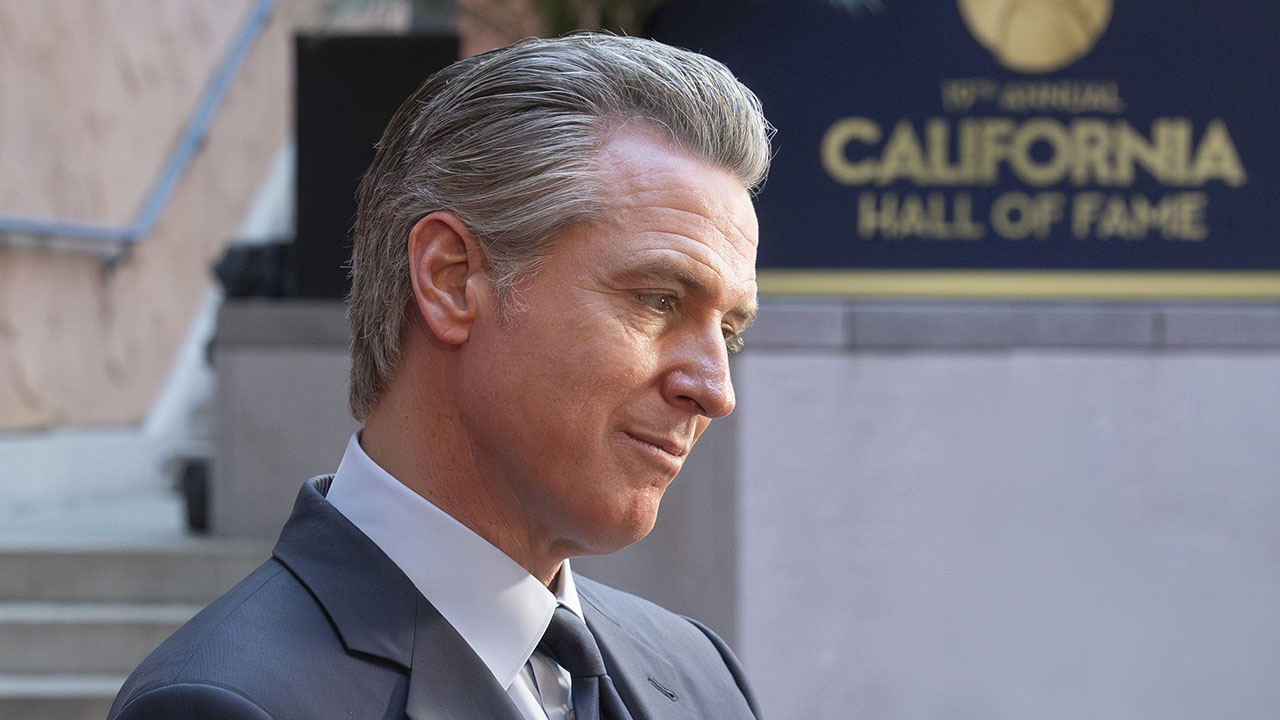
Gavin Newsom has discovered the limits of his own revolution.
After the California governor’s opposition failed to keep a union-backed wealth tax off the ballot, he had to explain himself to voters he has spent years training to believe billionaires are the problem.
He chose Substack.
There, in the same political breath, Newsom opposed a California billionaire tax while calling for a national billionaire tax. Same target. Same moral language. Same argument about concentrated wealth. One difference: the national tax helps Newsom audition for president, while the California tax might make his own billionaires leave.
That is why the California initiative is dangerous to him. It takes him seriously. Newsom is not opposing the tax because it violates his principles; he is opposing it because it proves them.
Nationally, Newsom wants Washington to tax the ultra-rich as part of a grand “economic reset.” Billionaires, he says, have too much power. The tax code favors them. Concentrated wealth threatens democracy. America needs a new bargain.
TRENDING ARTICLES



But when a California ballot measure proposes a one-time 5% tax on the net worth of California billionaires, Newsom suddenly becomes Milton Friedman with better hair.
Now incentives matter. Now tax policy affects behavior. Now capital is mobile. Now wealthy people are not a captive herd tied to the Capitol lawn, waiting to be milked.
Newsom made the case against his own slogan. Billionaires can move. Wealth is movable. What sounds like justice from a national podium can become a fiscal panic when applied to California.
And this was not merely a dispute over the rate. When opposition mounted, the union behind the measure offered to lower the proposed tax to 2%. Newsom still opposed it.
So, the problem was not 5%, or even 2%. The problem was taxing billionaires in the one place Newsom needs them to stay.
He could not tell his own base the truth. He could not say that state wealth taxes punish success, drive out capital, and shrink the tax base. That would sound too much like the conservatives he mocks.
So, he offered the best fig leaf he could find. The measure was too narrow, too earmarked, too much the work of one interest group. It did not fund enough schools, housing, clinics, universities, or public safety programs.
But that was not the real objection. That was the alibi.
His real objection was simpler: billionaires can leave. Wealth is movable. California cannot spend applause, and Sacramento cannot replace fleeing capital with revolutionary slogans.
That is why this tax is not merely another left-wing spending measure; it is a trap. It asks Newsom to govern as if his own speeches were true.
If billionaires are the problem, tax them here. If extreme wealth endangers democracy, seize some of it now. If every Sacramento promise needs money, why wait for Congress? Why not make California the model?
Newsom knows the answer.
California already depends on the very wealth its politicians denounce. The state moralizes against billionaires while budgeting around them. It attacks inequality while relying on capital gains. It denounces success while spending the proceeds of success. It talks like a commune and taxes like a desperate empire.
That is the old Jacobin dilemma.
The Jacobins rose by teaching the crowd that private fortune was proof of public injustice. Property had to answer to virtue. The suffering of the many could be blamed on the excess of the few. It transformed envy into morality and confiscation into justice.
But once that appetite is fed, it does not remain obedient. If wealth is immoral, why spare this fortune? If public need justifies seizure, why exempt that class? If the rich are enemies of the people, why wait?
The men who stir up class fury always assume they will stay in charge of it. History is not kind to that assumption.
California is not revolutionary France. Newsom is not Robespierre. Robespierre did not have to worry about Palo Alto moving to Austin.
Newsom’s problem is more modern. He wants Jacobin language without the Jacobin tax collector showing up in Sacramento. He wants the crowd angry enough to cheer a national billionaire tax, but not angry enough to pass one in his own state.
The richest state in America has tent cities under freeways. Silicon Valley sits beside open-air misery. Sacramento speaks endlessly of compassion while the middle class is priced out, the poor become clients of government, and the rich insulate themselves or leave.
California is where progressive theory gets mugged by arithmetic.
A federal billionaire tax lets Newsom pose as tribune of the people. A California billionaire tax forces him to govern a state whose finances depend on the people he condemns.
The Jacobins learned too late that you cannot teach people to hate property and expect property to remain safe, productive, and available for your plans. Newsom’s lesson is less bloody but just as plain. You cannot call billionaires the enemy and then act surprised when voters ask you to govern as if you meant it.
Newsom wants a billionaire tax for America because it sounds righteous from a presidential podium. He is fighting one in California because Sacramento cannot pay its bills with applause.
The moment the policy threatens his own tax base, the revolutionary discovers prudence. The tribune becomes an accountant.
We publish a variety of perspectives. Nothing written here is to be construed as representing the views of the Daily Signal.

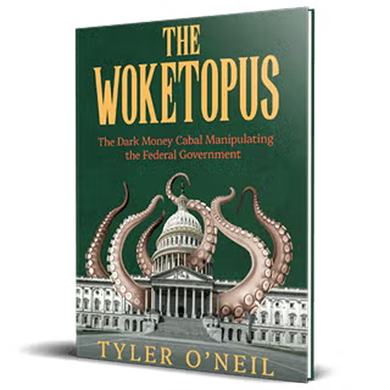
Read the first chapter of The Woketopus right now for FREE
Today, even with President Trump’s victory, leftist elites have their tentacles in every aspect of our government.
The Daily Signal’s own Tyler O’Neil exposes this leftist cabal in his new book, The Woketopus: The Dark Money Cabal Manipulating the Federal Government.
In this book, O’Neil reveals how the Left’s NGO apparatus pursues its woke agenda, maneuvering like an octopus by circumventing Congress and entrenching its interests in the federal government.
You can read the first chapter of this new book for FREE in this eBook, The Woketopus: Chapter One using the secure link below.
TRENDING ARTICLES


The Daily Signal depends on the support of readers like you.
RELATED ARTICLES




Don’t miss the

Don’t miss the signal