
Americans are still reeling from years of inflation and supply chain disruption. Families are paying more than ever before for groceries, appliances, vehicles, and countless everyday goods.
Washington talks constantly about affordability, but one of the most practical ways to lower costs rarely gets enough attention: making it cheaper and faster to move products across the country.
The proposed railroad merger between Union Pacific and Norfolk Southern could achieve exactly that.
At its core, the merger is about building a more efficient national freight network—one that reduces delays, lowers transportation costs, strengthens supply chains, and ultimately helps bring down prices for American consumers and businesses.
The Surface Transportation Board—the lone regulatory body charged with reviewing freight rail mergers—has accepted the companies’ merger application as complete, kicking off a monthslong review of the deal’s merits.
As the regulators weigh the benefits of the merger in the months ahead, it would be a mistake to lose sight of the affordability benefits a deal like this can provide for working-class American families. There aren’t many sectors that touch the lives of every American on a daily basis, and rail is quietly among them.
TRENDING ARTICLES



The challenge of today’s freight rail system is that the network still operates through a patchwork structure that often forces shipments to stop, transfer between railroads, or sit idle during interchange delays. Those delays have real economic consequences. Every additional day products spend sitting in transit increases inventory and transportation costs that are eventually passed on to consumers.
The proposed Union Pacific-Norfolk Southern merger would create the nation’s first truly seamless transcontinental freight railroad, connecting ports, manufacturers, farms, and distribution centers through a more integrated system. By reducing bottlenecks and unnecessary handling operations, the merger could significantly improve shipping efficiency across the country.
That matters because transportation costs affect nearly everything Americans buy.
When goods move faster and more reliably, companies spend less on warehousing, fuel, inventory storage, and backup logistics. Those savings ripple throughout the economy. Businesses become more competitive. Supply chains become more resilient. Consumers benefit from lower costs and more dependable access to goods.
Over the last several years, supply chain disruptions have exposed serious weaknesses in the nation’s freight infrastructure. Delays at ports, shortages of key materials, and transportation bottlenecks have driven inflation and left businesses scrambling to keep products moving.
America cannot afford to maintain a freight system built for yesterday’s economy while global competitors aggressively modernize theirs.
Critics of the merger have raised understandable concerns about consolidation and competition, which is exactly why the Surface Transportation Board’s review process exists. Regulators should thoroughly examine the proposal and ensure appropriate safeguards are in place. But the broader question should remain front and center: Will this merger create a more efficient, reliable, and affordable freight system for the American economy?
The evidence increasingly suggests that it will.
Union Pacific and Norfolk Southern’s updated merger filing includes extensive operational analysis and traffic data designed to demonstrate how the merger could improve service, reduce inefficiencies, and strengthen supply chain performance. If those benefits materialize, the economic impact would extend far beyond the rail industry itself.
This debate is ultimately bigger than two railroads. It is about whether the United States is willing to modernize critical infrastructure in ways that make the economy work better for ordinary Americans.
Affordability is one of the country’s defining economic challenges, and policymakers should prioritize solutions that reduce friction throughout the supply chain and lower the cost of moving goods nationwide.
American families are seeking practical reforms that actually help make life more affordable.
A more modern and efficient freight network would be a good place to start.
We publish a variety of perspectives. Nothing written here is to be construed as representing the views of the Daily Signal.
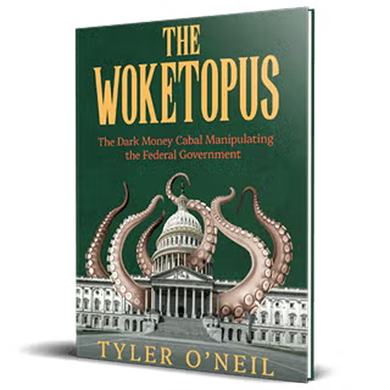
Read the first chapter of The Woketopus right now for FREE
Today, even with President Trump’s victory, leftist elites have their tentacles in every aspect of our government.
The Daily Signal’s own Tyler O’Neil exposes this leftist cabal in his new book, The Woketopus: The Dark Money Cabal Manipulating the Federal Government.
In this book, O’Neil reveals how the Left’s NGO apparatus pursues its woke agenda, maneuvering like an octopus by circumventing Congress and entrenching its interests in the federal government.
You can read the first chapter of this new book for FREE in this eBook, The Woketopus: Chapter One using the secure link below.



The Daily Signal depends on the support of readers like you.
RELATED ARTICLES





Don’t miss the

Don’t miss the signal