
Christian Doctrine Threatens ‘Psychological Harm’ to Child, According to Maine Judge’s Ruling
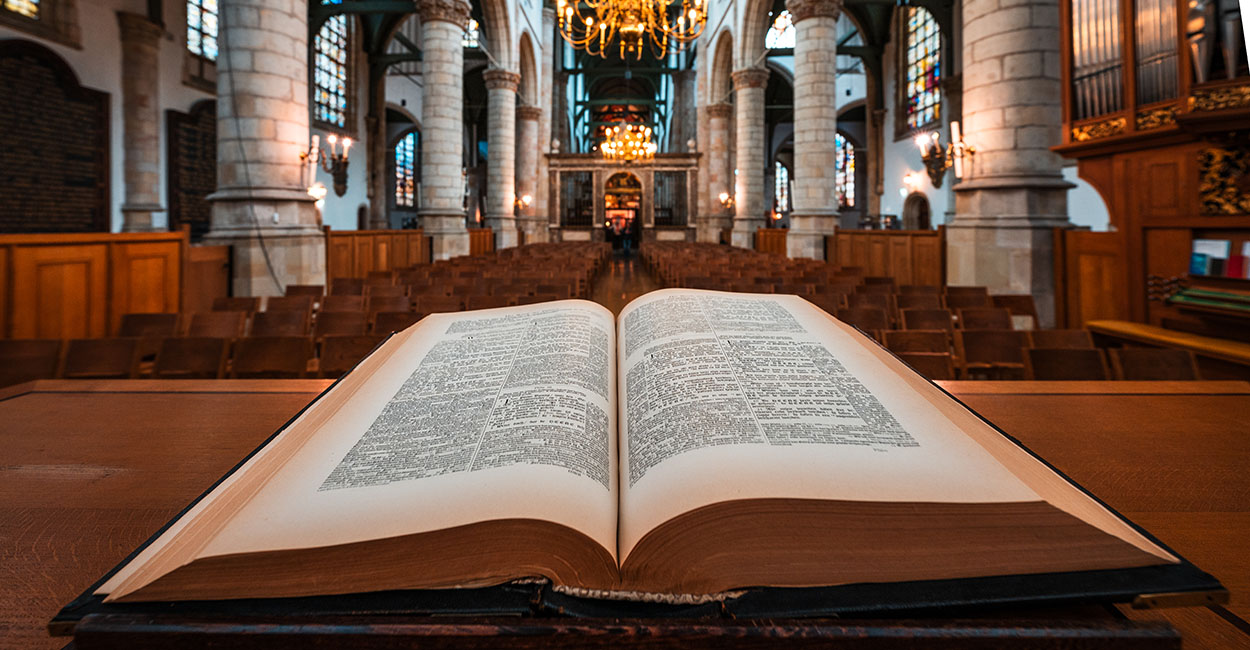
Does the gospel of Jesus Christ pose a serious risk of “psychological harm,” such that a court must protect an 11-year-old girl from going to a church that preaches directly from the Bible?
Strange as it may seem, a federal judge in Maine made a ruling suggesting as much in December 2024.
The case revolves around the custody of Ava (now 12), the daughter of Emily Bickford and Matthew Bradeen, who had never married. Bickford later started attending Calvary Chapel in Portland. Bradeen objects to his daughter joining her.
Calvary Chapel, you see, teaches the Bible “verse by verse, chapter by chapter.” The pastor actually believes in God, Jesus, heaven, and hell, and takes salvation seriously. Oh, horrors!
As Maine District Court Judge Jennifer Nofsinger notes, Bradeen was horrified to discover that Ava heard sermons “about warfare, fallen angels, and eternal suffering.” The church—imagine this—“teaches that people can only be saved by meeting God on God’s terms.” (Tellingly, the order actually lowercases the name of God throughout.)
It’s as though Bradeen and Nofsinger had discovered Christianity for the very first time—and didn’t like what they saw.
TRENDING ARTICLES


But the church wasn’t out to lunch during this process. When the pastor learned about the custody dispute, he prayed about it in Ava’s presence, asking God to protect her from the schemes of the “enemy.” The judge interpreted this as demonizing Ava’s father and therefore threatening psychological harm.
While Nofsinger acknowledged that “there is nothing to suggest that [Bickford] intends to harm Ava or is intentionally trying to place her at risk,” she nevertheless concluded that “there is a compelling state interest in protecting Ava from immediate and substantial psychological harm.”
The judge gave Ava’s father responsibility over “whether Ava attends any services, gatherings, or events associated with Calvary Chapel”; whether she can see the church’s material; and whether she associates—or even communicates—with any of the church’s members other than Ava’s own mother.
Judicial Overreach
It’s not your imagination: This ruling is extreme. Mat Staver, founder and chairman of Liberty Counsel and Bickford’s attorney, told The Daily Signal that Bickford “is considered a fit parent,” and she faces “no allegations of abuse or neglect.”
“The presumption of the law is that they’re acting in the best interest of their children and that they have a right to raise them in their religious faith,” he explained.
Staver said that in domestic cases, courts honor the religious freedom of both parents, allowing a Jewish father (for example) to take his son to synagogue and a Protestant mother to take the boy to church, when in each parent’s custody.
“What you can’t do is give one parent a veto right over the religious upbringing of the other parent,” he said.
As for emotional distress, Staver noted that Bradeen made “one unsupported allegation” that Ava suffered distress when she looked at a book featuring angels and demons. “In fact, there is no evidence, and I raised that in court,” the lawyer said.
He argued the case before the Maine Supreme Court in November, and is still awaiting a decision.
‘Psychological Harm’
How did Nofsinger conclude that Ava faced a risk of harm?
Bradeen’s legal team hired Janja Lalich, who has a Ph.D. in “closed social systems”—commonly referred to as “cults.” Lalich found that “the sermons at Calvary Chapel are filled with hateful rhetoric—homophobia, disdain of science, and hatred of public schools.” She claimed the church is “based on fear.”
“Lalich does not believe that Ava’s participation in Calvary Chapel is entirely voluntary,” the judge notes, agreeing with the conclusion.
Nofsinger notes Bickford’s refusal to give Ava a COVID-19 vaccine and reviews a prayer from Pastor Travis Carey, who asked God to intervene on Bickford’s behalf.
Carey prayed that God would “bring to nothing the plans and the snares and the tricks of the enemy” and noted that Ava is “dealing with a level of persecution.”
Basic Misunderstandings
Nofsinger concluded that Carey had demonized Bradeen, but in doing so, the judge didn’t mention the fact that the pastor had prayed for Bradeen’s salvation. The judge said the pastor blamed Bradeen for Ava’s persecution, saying this risks more “psychological harm” to Ava.
Yet the pastor clearly presented Satan—not Ava’s father—as the ultimate villain. The pastor wasn’t saying Bradeen persecuted his daughter, but that she’s struggling amid a spiritual battle.
The prayer makes sense from a Christian perspective, where Jesus offers a salvation that’s far more important than custody disputes, and where the enemy isn’t flesh and blood but Satan trying to separate people from God.
Ultimately, this order doesn’t reveal “psychological harm” to Ava so much as the anti-Christian bias of Bradeen, Lalich, and Nofsinger.
Christians who believe the Bible do actually believe in heaven, hell, and eternal salvation. We do oppose homosexual activity and transgender ideology—not because we hate anyone, but because the Bible says so. We distrust public schools because they’ve started embracing ideas that oppose biblical morality. None of this makes Christianity a cult, much less a threat of “psychological harm.”
This order doesn’t just come down to whether Calvary Chapel is harming Ava’s relationship with her father—it’s about whether the very truth claims of Christianity are considered a threat to a young girl’s wellbeing. That’s not this judge’s call to make.

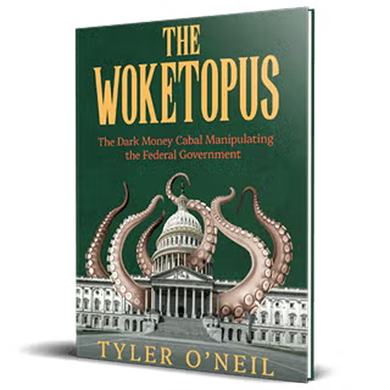
Read the first chapter of The Woketopus right now for FREE
Today, even with President Trump’s victory, leftist elites have their tentacles in every aspect of our government.
The Daily Signal’s own Tyler O’Neil exposes this leftist cabal in his new book, The Woketopus: The Dark Money Cabal Manipulating the Federal Government.
In this book, O’Neil reveals how the Left’s NGO apparatus pursues its woke agenda, maneuvering like an octopus by circumventing Congress and entrenching its interests in the federal government.
You can read the first chapter of this new book for FREE in this eBook, The Woketopus: Chapter One using the secure link below.
TRENDING ARTICLES


The Daily Signal depends on the support of readers like you.
RELATED ARTICLES





Don’t miss the

Don’t miss the signal