
You can endlessly debate the wisdom and timing of the administration’s actions in responding to the COVID-19, or coronavirus, outbreak. But one thing seems beyond dispute: The federal government is making an all-out effort to help.
Further, the innumerable press briefings and public statements leave no question as to the administration’s overall game plan and what the White House sees as the likely endgame.
To make sure we’re all on the same page, let’s review the game plan.
The first step was to slow the arrival of COVID-19 to our shores. The president did that by restricting travel from overseas—starting with China, then extending that to other nations as the disease spread.
In retrospect, the wisdom of that move is obvious. Places that restricted travel from China early on—Hong Kong, Taiwan, and South Korea—have the best record of slowing the rate of infection. Countries such as Italy and Iran that were late in turning off the tap from China suffered a viral tsunami and spread the problem to their neighbors.
Next, Washington started sending support to state and local governments and easing restrictions on both public and private sector operations so that they can contribute more—and more quickly—to the response effort.
TRENDING ARTICLES

We are seeing that pay off already, as Medicare patients can now take advantage of telemedicine, more manufacturers are allowed to produce protective gear, and clinical trials of promising treatments are getting fast-tracked. These actions are geared to slowing the spread of COVID-19, protecting vulnerable populations, and assuring treatment is available to patients.
Right now, from a public health perspective, the No. 1 goal is to keep hospitals from being overwhelmed. The most effective preventative tool for this is social distancing, which is why officials at all levels of government are so insistent on the practice. But Washington is also striving to make sure state and local governments have the assets necessary to provide the level of care needed.
Most recently, the administration has turned to address the non-health-related consequences of both the disease and the response. It is focusing now on delivering aid to the individuals and small businesses that will bear the brunt of the economic and social costs of social distancing. A bill meant to accomplish that is expected to pass this week.
The single most crucial step right now is to bend the curve as fast and expeditiously as possible. Limiting the spread of the disease will make dealing with outbreaks more manageable and buy time to deliver the prophylactics, testing, and therapeutics that will enable the health system to deal with a persistent presence of COVID-19. Yes, we hope COVID-19 will, like the flu, wane with warmer weather, but, right now we just don’t know.
Keeping the disease at manageable levels will allow Americans to get back to business. In the meanwhile, the U.S. will have to continue to manage international travel so we don’t reimport the virus. After all, you can’t drain the bathtub if you have the faucet running full tilt.
Of course, everyone anticipates the development of a vaccine to help manage COVID-19, but no one knows how far off that may be. And we can’t wait indefinitely for a cure-all.
We can, however, keep taking intelligent steps to get COVID-19 under control. And once we do that, we will need to get the economy up and running as soon as possible.
And that will be just as great a challenge as the public health challenge. In economics as in health, the governing principle should be “First, do no harm.” That said, how Washington decides to help matters a very great deal.
My colleagues at The Heritage Foundation have great reservations about the recovery bill lawmakers worked on over the weekend and they have outlined what seems to be a much better approach.
Let’s hope Washington acts wisely on this. It’s a big decision: one that will determine whether this nation emerges from the COVID-19 crisis more—or much less—free, prosperous, and safe than when the crisis began.

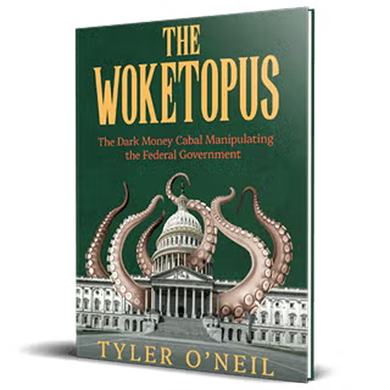
Read the first chapter of The Woketopus right now for FREE
Today, even with President Trump’s victory, leftist elites have their tentacles in every aspect of our government.
The Daily Signal’s own Tyler O’Neil exposes this leftist cabal in his new book, The Woketopus: The Dark Money Cabal Manipulating the Federal Government.
In this book, O’Neil reveals how the Left’s NGO apparatus pursues its woke agenda, maneuvering like an octopus by circumventing Congress and entrenching its interests in the federal government.
You can read the first chapter of this new book for FREE in this eBook, The Woketopus: Chapter One using the secure link below.


The Daily Signal depends on the support of readers like you.
RELATED ARTICLES


Don’t miss the
Don’t miss the signal