National School Lunch Program Has Morphed Into Massive, Wasteful Entitlement Program
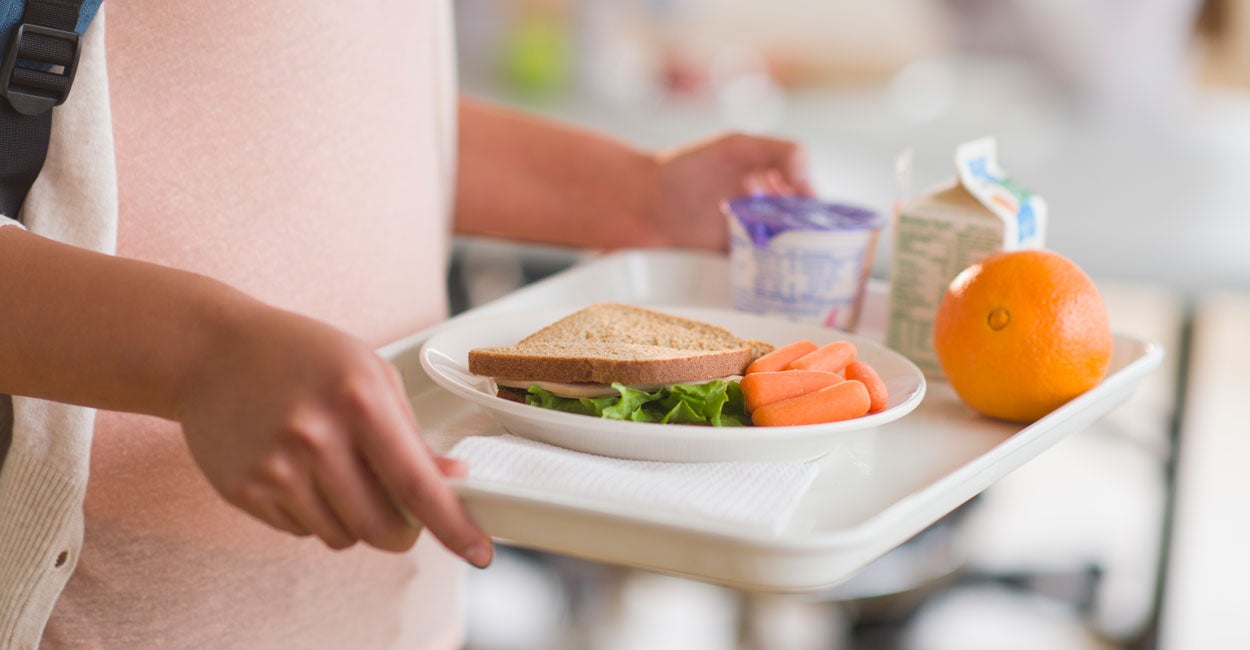
The National School Lunch Program has changed dramatically since it began in 1946. What started as a grant program to help poor students and those with special needs has morphed into a massive entitlement offering meals to 30 million students every year—equivalent to nearly 55% of all children enrolled in public and private schools.
And the bigger the program got, the more wasteful it became. The Office of Management and Budget now classifies the school lunch program as a “high-error” program due to large losses from incorrect payments each year—nearly $800 million in fiscal year 2018 alone.
In 2010, the Obama administration approved letting school districts offer free meals to all students in schools where 40% of the student body comes from low-income families that qualify for public assistance such as food stamps. This “Community Eligibility Provision” is providing meals—breakfast as well as lunch—to kids from middle- and upper-income families.
Federal regulations adopted to implement these changes to the lunch program further stretched the eligibility criteria. Districts have been permitted to combine the percentages of eligible students across groups of schools so they can offer free meals to students in schools that don’t meet the 40% threshold.
For example, if only 20% of the students in School A are eligible for free meals, but 61% of School B’s students meet the criteria, the district can “combine” the numbers and provide free meals to all students in both schools.
That’s problematic for taxpayers—and those who believe free food should be reserved for students truly in need.
TRENDING ARTICLES



President Donald Trump’s 2020 budget proposal would put an end to this practice of grouping schools together. The idea is to provide “better targeting [of] free meal benefits to children in need of assistance,” the original purpose of federal school meals.
It would be a small but worthwhile improvement to a program that has been plagued by waste for years. The school lunch program has a habit of serving the wrong students, which is why it lands on OMB’s black list with lamentable regularity. As of 2016, the lunch program had an error rate of 16%, while the school breakfast component had an improper payment rate of 23%.
The 2010 expansion of taxpayer-funded meals only aggravated this problem because it ignores the errors by simply including more students, regardless of family income. The program was already wasting food before taking in middle- and upper-middle class “beneficiaries” who had no need—or appetite—for the food on offer. Adding students to the program does not address these issues of waste.
The rationale behind the expansion was that it would give low-income families access to school meals because they no longer have to apply for them. Yet other methods already in use work to more easily identify eligible students.
For example, over 90% of students from families participating in the food stamp program are automatically made eligible for free school meals. There’s no need to give free meals to students who are not poor in order to help those who are.
The 2010 Community Eligibility Provision runs contrary to the purpose of the school lunch program and should be eliminated entirely. Instead of watching taxpayer money get tossed into school trash cans, lawmakers should work to reduce waste and redirect resources to children in need.


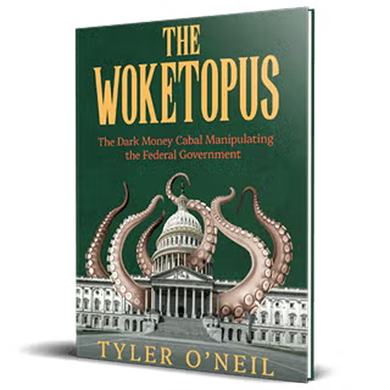
Read the first chapter of The Woketopus right now for FREE
Today, even with President Trump’s victory, leftist elites have their tentacles in every aspect of our government.
The Daily Signal’s own Tyler O’Neil exposes this leftist cabal in his new book, The Woketopus: The Dark Money Cabal Manipulating the Federal Government.
In this book, O’Neil reveals how the Left’s NGO apparatus pursues its woke agenda, maneuvering like an octopus by circumventing Congress and entrenching its interests in the federal government.
You can read the first chapter of this new book for FREE in this eBook, The Woketopus: Chapter One using the secure link below.



The Daily Signal depends on the support of readers like you.
RELATED ARTICLES



Don’t miss the

Don’t miss the signal