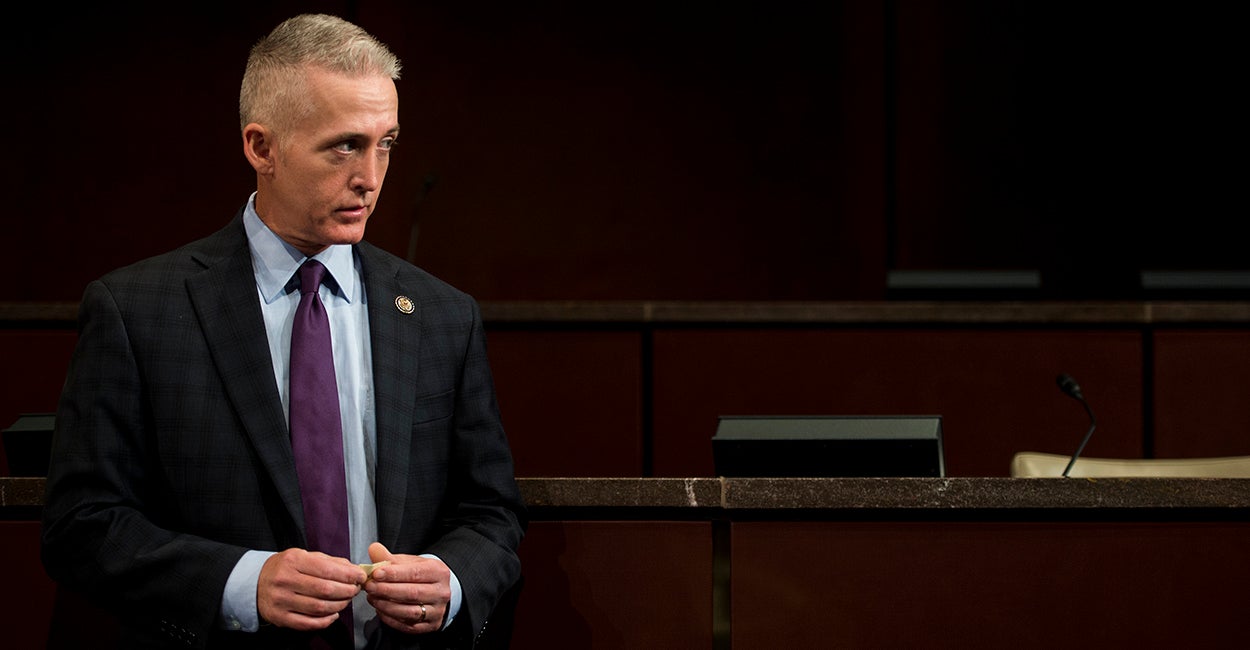
As promised by Chairman Trey Gowdy, R-S.C., the House Select Committee to Investigate Benghazi is proceeding deliberately and carefully, holding two closed-door-meetings last week with officials from the State and Justice Departments.
These meetings reportedly included diplomatic security staff and were part of the preparation for the next public meeting, which is expected this month or next.
Two issues have emerged as the focus of the investigation at this time:
- The first priority is “ensuring access to all first-hand accounts from those on the ground that night,” Gowdy said. That means combing through documents relating to first-hand accounts from personnel there that night and questioning Justice Department officials about witnesses that could appear before the committee later. “This process will be ongoing and in some respects must remain classified,” Gowdy said. The treatment of eyewitnesses by the State Department and the CIA has been a matter of congressional scrutiny as a number of eyewitnesses have asserted intimidation and retaliation by their departments if they agreed to testify.
- Secondly, the committee is looking at the reasons Ambassador Christopher Stevens was in Benghazi the night of the anniversary of the 9/11 attacks, a date that should have prompted extra security precautions. A number of theories have been advanced for why Stevens took such a risk—one being that his meeting with Turkish Consul General Ali Sait Akim was related to a transfer of captured Libyan arms to Syrian rebels. In an interview with Fox, Gowdy stated, “I think folks would tell you that we have to be in dangerous places because you have to balance the policy with the risk and then determine the presence. But you can’t debate risk versus policy if you don’t know what the policy was.” Greg Hicks, the deputy chief of mission at the U.S. Embassy in Tripoli, has testified Stevens went to Benghazi at the behest of then-Secretary of State Hillary Clinton, who made opening a Benghazi consulate a top priority when she appointed Stevens ambassador in March 2012. Getting to the who, what, where and why of U.S. policy in Libya policy certainly would advance the understanding of what happened.
The United States has many missions, consulates and embassies around the world, and they are all potential targets. The work of the Benghazi Select Committee is needed to learn as much as possible about what went wrong in Benghazi, so we can do better at making sure it doesn’t happen again.
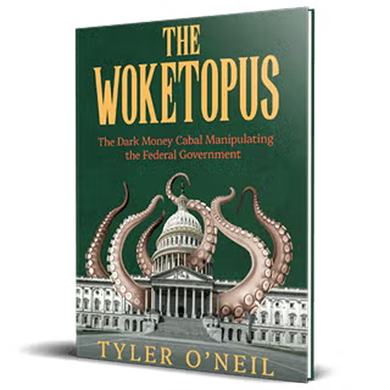
Read the first chapter of The Woketopus right now for FREE
Today, even with President Trump’s victory, leftist elites have their tentacles in every aspect of our government.
The Daily Signal’s own Tyler O’Neil exposes this leftist cabal in his new book, The Woketopus: The Dark Money Cabal Manipulating the Federal Government.
In this book, O’Neil reveals how the Left’s NGO apparatus pursues its woke agenda, maneuvering like an octopus by circumventing Congress and entrenching its interests in the federal government.
You can read the first chapter of this new book for FREE in this eBook, The Woketopus: Chapter One using the secure link below.

The Daily Signal depends on the support of readers like you.
RELATED ARTICLES


Don’t miss the

Don’t miss the signal