Recent reports of foreign fighters from Europe and the U.S. in Syria and Iraq have caused speculation regarding the security of the U.S.’s Visa Waiver Program (VWP). While there have been concerns regarding the security measures of supplementary VWP requirements and lack of information sharing, these worries are outdated. The program as a whole has actually increased U.S. security, as well as improved the U.S. economy.
There are currently 38 member countries in the VWP, all friends and allies of the U.S. These countries have already met the necessary requirements for joining the VWP: agreeing to share security information with the U.S., offering privileges to U.S. citizens travelling to their countries, and having a visa refusal rate below 3 percent.
Prior to travel, VWP tourists are prescreened using the databases of all VWP members through the Electronic System for Travel Authorization (ESTA), which determines whether or not they are eligible to travel to the U.S. Travelers not cleared through ESTA would then have to apply for a visa the old-fashioned way. Prior to ESTA, VWP travelers weren’t screened until after they arrived in the U.S.
ESTA was created as a supplement to the VWP by streamlining information sharing. The program was criticized after a 2010 Government Accountability Office report found that airlines weren’t verifying the ESTA of 2 percent of travelers—more a reflection of the airlines’ inability than a failure of the VWP. The report also found that only half of the VWP members were adequately sharing information concerning watch lists and criminal databases. Yet, according to a current CRS report, most VWP countries have addressed these problems and have made dramatic improvements in information sharing.
The U.S. would not have as much information regarding threat risks without the VWP. The increased sharing of information among VWP members has allowed the U.S. State Department to direct resources that would have been wasted processing visas in low-threat countries at stopping terrorists in countries that are high-risk.
In addition to increasing U.S. counterterrorism abilities, the VWP has allowed for greater economic flow between the U.S. and its friends and allies. From 2000 to 2013, there was a 36 percent increase in inbound tourism to the U.S. with a record 69.8 million visitors in 2013, and roughly 40 percent of those travelers came from VWP countries. Since 1989, the U.S. has had a trade surplus in tourism with visitors spending $180.7 billion in 2013, constituting 2.8 percent of U.S. gross domestic product, including 8 million jobs.
TRENDING ARTICLES



When it comes to security, there is never 100 percent certainty. There will always be the threat of a terrorist attack, whether it’s from a foreign national or a home-grown terrorist. The sharing of information through the VWP has significantly reduced these risks. It is important to note that other travel security measures, such as passport accountability and visas, are not without their own flaws and fraud. The VWP should be praised for increasing the U.S.’s security and economy and not singled out as a threat to national security.

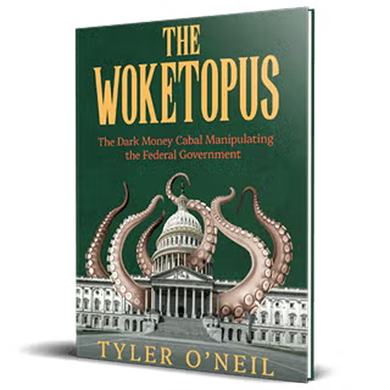
Read the first chapter of The Woketopus right now for FREE
Today, even with President Trump’s victory, leftist elites have their tentacles in every aspect of our government.
The Daily Signal’s own Tyler O’Neil exposes this leftist cabal in his new book, The Woketopus: The Dark Money Cabal Manipulating the Federal Government.
In this book, O’Neil reveals how the Left’s NGO apparatus pursues its woke agenda, maneuvering like an octopus by circumventing Congress and entrenching its interests in the federal government.
You can read the first chapter of this new book for FREE in this eBook, The Woketopus: Chapter One using the secure link below.
TRENDING ARTICLES


The Daily Signal depends on the support of readers like you.
RELATED ARTICLES





Don’t miss the

Don’t miss the signal