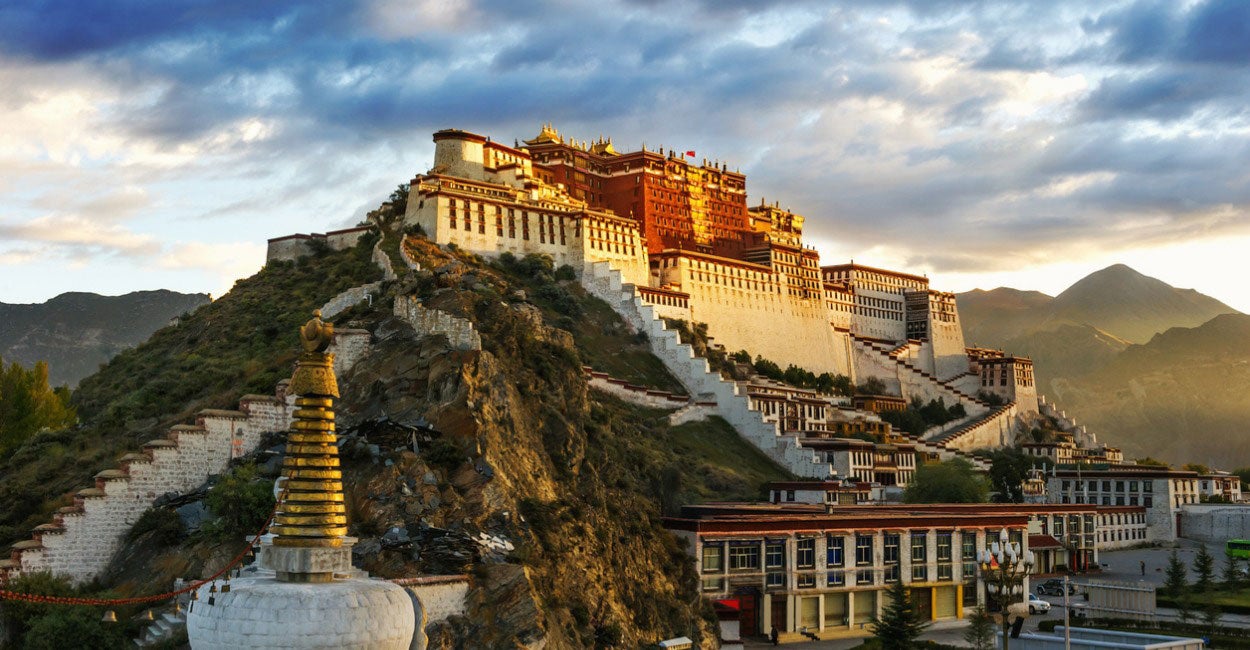
Tibet, located in far western China, has long been a distinct ethnic and cultural enclave.
It has also frequently come under persecution from the Chinese government in Beijing.
That persecution has only escalated in recent years.
In 2016, the Chinese government began demolishing one of the world’s largest Tibetan Buddhist academies, the Larung Gar, forcing nearly 5,000 monks and nuns to flee the academy from 2016 through March of this year.
In the face of the heightened persecution, many Tibetans are resorting to self-immolation—that is, public suicide. Since Feb. 27, 2009, a total of 150 Tibetans have self-immolated.
In a recent forum at The Heritage Foundation, Tibet’s chief executive, Lobsang Sangay, expressed confidence that Tibetans will persevere.
TRENDING ARTICLES



The Tibetan leader explained how his people persevered against Chinese efforts at forced assimilation during the Cultural Revolution, which brought about the near-total destruction of Tibet’s monasteries and nunneries.
Sangay noted that Tibetans have proven their resolve in the past, but warned that the Chinese government is now reviving “something akin to the Cultural Revolution.”
One strategy for coexistence, introduced by the Dalai Lama in the early 2000s, has been called the “middle way” approach. This approach recommends that Tibet operate autonomously in its own region with limited intervention by the Chinese government.
Lee Edwards, distinguished fellow at The Heritage Foundation, noted this as “the most promising approach.” This approach is actually not foreign to China, as it currently holds a similar arrangement with Hong Kong, as Sangay pointed out.
But the cause of an autonomous Tibet within China requires outside support, particularly from the United States. That’s where the Trump budget for fiscal year 2018 does not bode well.
Unfortunately, that budget may reduce U.S. support for Tibet. It would cut funding for longstanding programs, including the Tibet Fund and the Ngwang Choephel Fellows Program, which funds educational exchanges for Tibetan refugees.
These cuts could threaten advancements made through the Tibetan Policy Act passed during the George W. Bush administration.
While this is an ongoing dispute between China and Tibet, the United States holds a moral stake in the matter.
As International Campaign for Tibet President Matteo Mecacci noted in the Heritage panel, “religious freedom, basic human rights, [and] self-determination” are part of the West’s interests in its relations with China. Pursuing economic interests without addressing China’s human rights abuses would be a mistake.
There are two concrete steps in particular the U.S. should take to demonstrate support for Tibet.
First, President Donald Trump should meet with the Dalai Lama. Sangay noted that on his first international trip, Trump visited Saudi Arabia, Israel, and the Vatican, hitting “all three major sacred places of three major traditions.”
Sangay concluded, “If he can meet with all leaders of major traditions, I think it’s just logical that he meet with the most prominent Buddhist leader.”
Second, the U.S. can show support for Tibet by continuing its funding of the key foreign aid programs already mentioned. Tibet needs support from the United States and from the world—now more than ever.

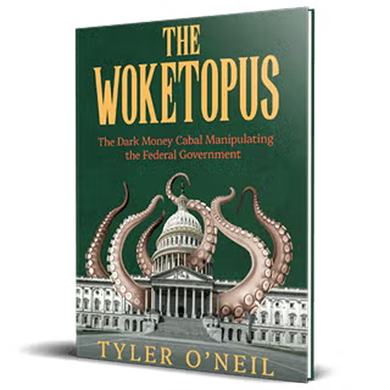
Read the first chapter of The Woketopus right now for FREE
Today, even with President Trump’s victory, leftist elites have their tentacles in every aspect of our government.
The Daily Signal’s own Tyler O’Neil exposes this leftist cabal in his new book, The Woketopus: The Dark Money Cabal Manipulating the Federal Government.
In this book, O’Neil reveals how the Left’s NGO apparatus pursues its woke agenda, maneuvering like an octopus by circumventing Congress and entrenching its interests in the federal government.
You can read the first chapter of this new book for FREE in this eBook, The Woketopus: Chapter One using the secure link below.


The Daily Signal depends on the support of readers like you.
RELATED ARTICLES




Don’t miss the

Don’t miss the signal