
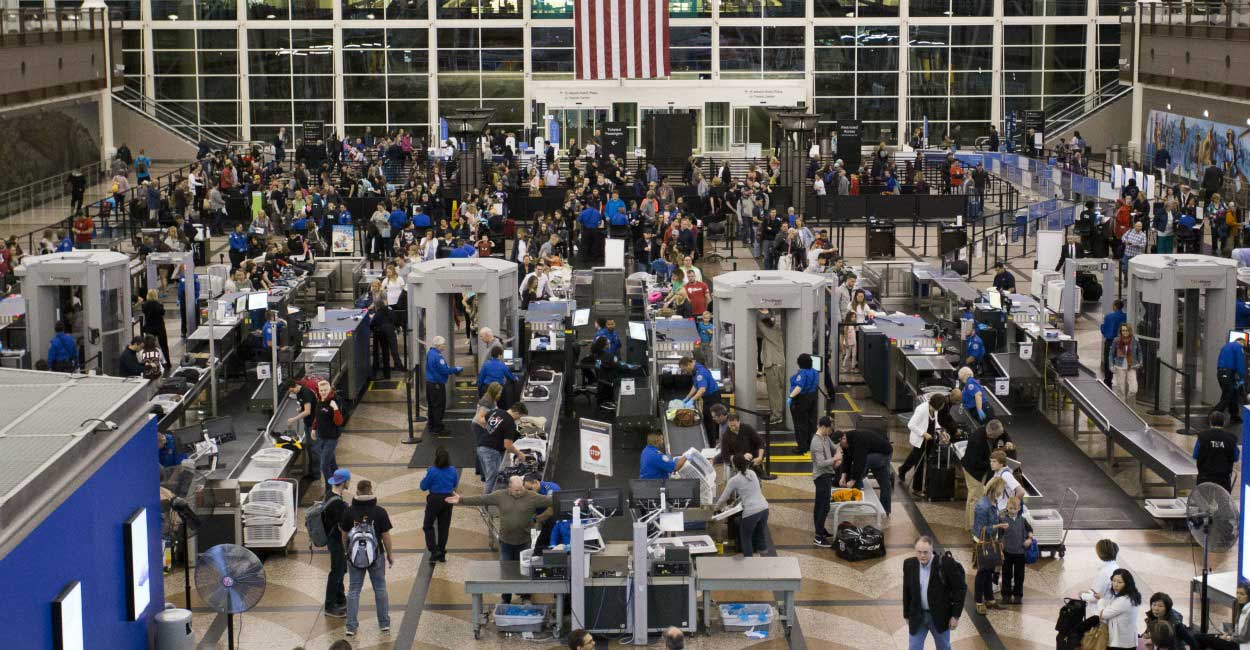
While grumbling about inconveniences at U.S. airports is a national pastime among travelers, the criticism has been especially shrill this year. President Donald Trump has made it clear that he is not pleased with the state of U.S. airports, calling them “obsolete” and even “third world.”
Although these claims are hyperbolic (American airports move far more people than those of any other country in the world, and do so safely), the president is channeling the general dissatisfaction.
Indeed, not a single U.S. airport is ranked within the world’s top 25, and congestion and delays are a significant problem for the nation’s most vital hubs. The latest viral incident involving a United Airlines customer being dragged off of a flight further stressed the need to increase consumer choice.
The typical response for many lawmakers is to funnel more taxpayer money to airports, perhaps including billions in taxpayer grants to them in the Trump administration’s forthcoming infrastructure plan.
But there’s a much better way to invest in airports—one that does not require new federal spending.
A superior alternative would be to decrease the cumbersome federal management of airports and unleash them to operate as independent businesses rather than extensions of the government.
TRENDING ARTICLES



Currently, the Federal Aviation Administration has a heavy hand in funding and regulating airports. Federal airport funding diverts billions of flyers’ tax dollars away from the most important airports they use most to those most flyers will never see.
Worse, federal grants come with regulations that put a stranglehold on airports through provisions that severely restrict how they can raise and spend their own revenues. These restrictions on revenues force airports to rely on federally approved sources of cash and crush airline competition, innovation, and self-sufficiency.
Instead of continuing to funnel money into this broken system, the better—and cheaper—solution is to get the federal government off airports’ backs and free them to meet their potential.
One bipartisan proposal that would begin this process is the Investing in America: Rebuilding America’s Airport Infrastructure Act, sponsored by Reps. Thomas Massie, R-Ky., and Peter DeFazio, D-Ore. The bill would empower airports to raise their own funds for airport improvements by lifting the cap on passenger facility charges, a local airport user fee that is currently price-controlled by Congress.
Since Congress last set the maximum facility charge at $4.50 per passenger in 2000, passenger facility charges have lost much of their purchasing power. Lifting that cap would adequately allow airports to charge their own customers for funding, rather than having to rely on cumbersome federal grants.
In fact, the bill would reduce federal spending by $400 million, a necessary step to ensure the local charge would replace current federal funding for larger airports instead of simply adding on to it. This is a budget-friendly reform that would give airports much greater latitude to control their finances, including efforts to lure more airline competition to choice-starved facilities.
Although greater changes are still much needed—including addressing federal aviation taxes—the DeFazio-Massie bill is a promising start to localizing airport funding and leading airports to self-sufficiency.
Even more encouraging, the bill acknowledges that the nation’s airport infrastructure is too important to rely exclusively on centralized planning. Instead, airports and flyers should be in control of funding our nation’s vital aviation infrastructure, not bureaucrats in Washington.

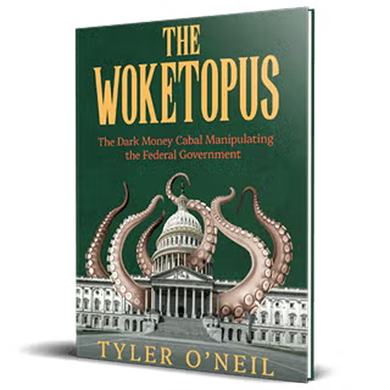
Read the first chapter of The Woketopus right now for FREE
Today, even with President Trump’s victory, leftist elites have their tentacles in every aspect of our government.
The Daily Signal’s own Tyler O’Neil exposes this leftist cabal in his new book, The Woketopus: The Dark Money Cabal Manipulating the Federal Government.
In this book, O’Neil reveals how the Left’s NGO apparatus pursues its woke agenda, maneuvering like an octopus by circumventing Congress and entrenching its interests in the federal government.
You can read the first chapter of this new book for FREE in this eBook, The Woketopus: Chapter One using the secure link below.
TRENDING ARTICLES


The Daily Signal depends on the support of readers like you.
RELATED ARTICLES





Don’t miss the

Don’t miss the signal