
Virginia’s federal elections will be finished in less than two weeks, but some state-based issues are likely to keep simmering long after Election Day.
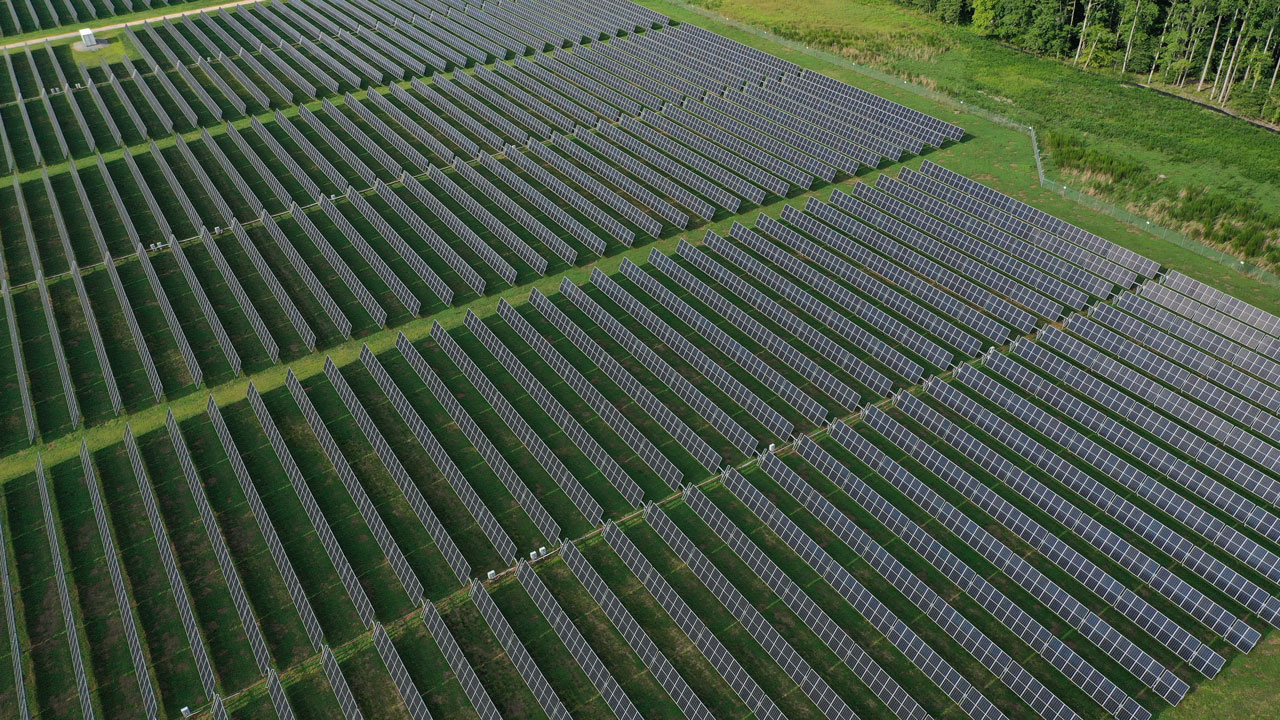
Examples include the state’s policies governing data centers and how the electricity to power those centers—and the homes of millions of citizens—is generated.
A court in Goochland County hosted a pretrial hearing this week in a case filed by four citizens who are suing their board of supervisors. Last year, the board approved the creation of a Technology Overlay District, which will allow the construction of data centers.
One of the plaintiffs said that local leaders didn’t have the information necessary to make the zoning changes.
“The fact that the county did not do its homework about data centers and forced residents to educate themselves and then educate the county is so unbelievable,” Cynthia Haas told the Daily Signal. “Why didn’t any of the supervisors learn about data centers and the dangers to air, water, land, health?”
The judge said he will try to rule in the case soon.
TRENDING ARTICLES



In Pittsylvania County, the Berry Hill megasite may be home to as many as 21 data center buildings. In about 15 years, the site may require as much as 3,000 megawatts of electricity, according to an application for a permit. Much of that power could be generated on-site.
These projects predate Executive Order 22, which Gov. Abigail Spanberger signed in September. It directed the Office of the Chief Energy Officer to “publish an initial Data Center Planning and Community Engagement Toolkit for local governments and communities” by mid-January.
“For developers, operators, landowners and the attorneys who advise them, this executive action signals a significant shift in how Virginia will approach data center development,” the law firm Holland & Knight wrote as it explained the policy to interested parties. “The EO also raises important questions about how far executive authority extends—particularly with respect to local governments, which control much of the zoning and land use approval process on the ground.”
Her executive authority is also being put to the test by the proposed merger of Dominion Energy and Florida-based NextEra Energy. The deal would effectively amount to NextEra purchasing Dominion for $67 billion, and Spanberger said she remains uncertain the deal would help Virginia. “Without enforceable commitments that meaningfully prioritize ratepayers, lower energy costs, protect Virginia’s utility workforce, and advance Virginia’s energy goals, the State Corporation Commission should reject this merger,” she wrote.
Spanberger announced a “six-year freeze to Virginians’ base residential electricity rates, a tripling of monthly bill credits for ratepayers, and additional commitments to lower energy costs and meet our long-term clean and homegrown energy goals” before the State Corporation Commission would approve the deal. She also called for $29 in monthly bill credits for customers over the next four years, which would provide more than $912 per household in additional credits during the life of the agreement.
“It is extremely rare for a governor to intervene in a private merger,” former Republican Del. David Owen told the Daily Signal. While Spanberger is free to issue news releases and executive orders, her office does not have the authority to block such an agreement.
Owen also pointed out that the so-called merger isn’t a joining of equals; the reality is that Dominion is being acquired. The takeover by NextEra is needed for Dominion to have the resources to comply with the Virginia Clean Economy Act, which compels the utility to “achieve 100% renewable/zero-carbon electricity by 2045.” That law was enacted in 2020 when Democrats controlled both houses of the General Assembly and the governor’s mansion. They have that same hold on power today, having added 13 seats in last year’s elections for the House of Delegates.
“The Virginia Clean Economy Act is adding to our electric rates today, and the fact that the governor took Virginia back into the Regional Greenhouse Gas Initiative is also raising consumer energy costs,” Owen told the Daily Signal.
Steve Haner, an energy policy expert at The Jefferson Forum, also blames state policies for playing a role in pushing up customers’ bills. “[Spanberger’s] request to freeze the utility’s base rates for six years is just window dressing,” he wrote. “Other parts of the [electric] bill are used to pay for fuel, new power plants, the Regional Greenhouse Gas Initiative carbon tax, and all the costs of renewable energy certificates that the Virginia Clean Economy Act mandates, and none of these would be frozen.”
The political and legal debates will continue. Yet whether or not the state allows new data centers or allows NextEra to swallow up Dominion, bills will go up as long as state law elevates some sources of energy, such as solar and wind while downplaying others, such as natural gas and coal.

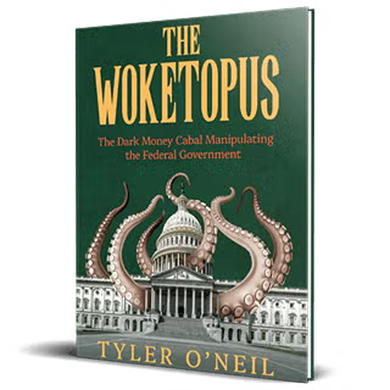
Read the first chapter of The Woketopus right now for FREE
Today, even with President Trump’s victory, leftist elites have their tentacles in every aspect of our government.
The Daily Signal’s own Tyler O’Neil exposes this leftist cabal in his new book, The Woketopus: The Dark Money Cabal Manipulating the Federal Government.
In this book, O’Neil reveals how the Left’s NGO apparatus pursues its woke agenda, maneuvering like an octopus by circumventing Congress and entrenching its interests in the federal government.
You can read the first chapter of this new book for FREE in this eBook, The Woketopus: Chapter One using the secure link below.




The Daily Signal depends on the support of readers like you.
RELATED ARTICLES




Don’t miss the

Don’t miss the signal
