
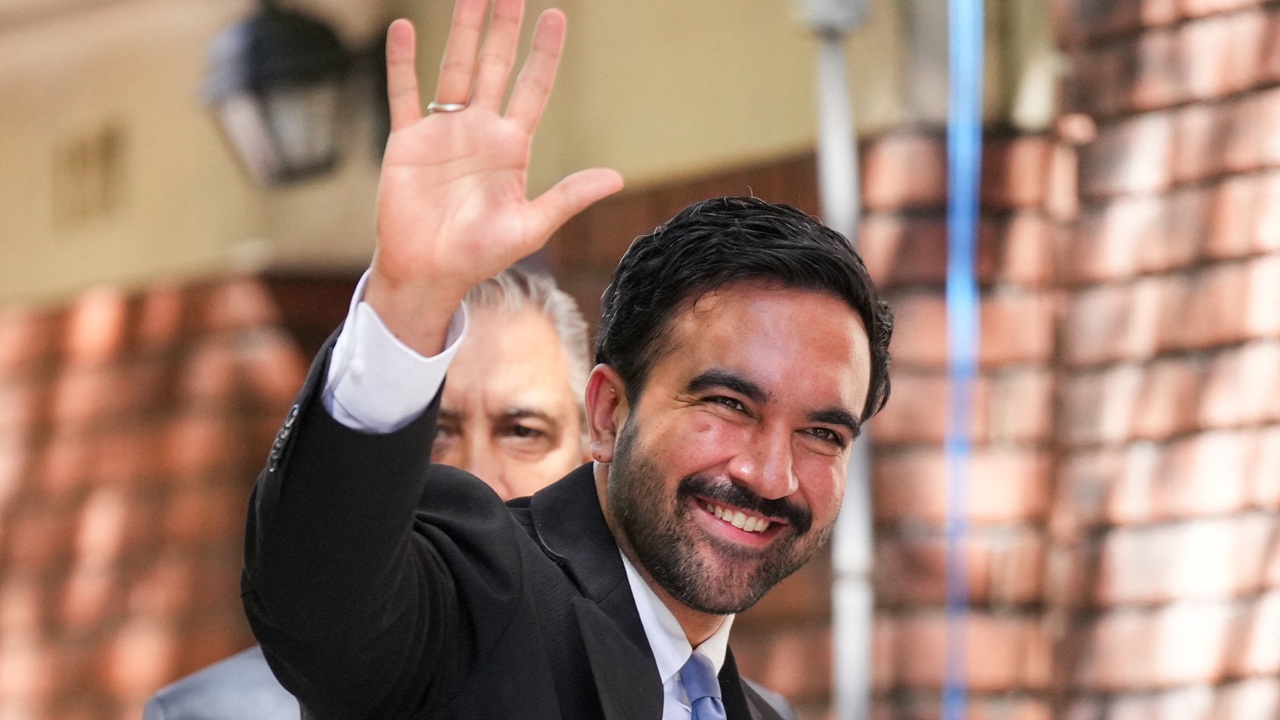
New York City Mayor Zohran Mamdani has decided that enforcing labor law is no longer enough. City Hall now wants to get into the business of helping workers organize, too.
Earlier this month, Mamdani created the Mayor’s Office of Worker Power, which his administration describes as the first office of its kind in the country. Its mission is not merely to tell workers what the law says or where to file a complaint. City Hall says it will use its “resources and convening power” to help workers become “informed, connected, and organized.”
That sounds less like a traditional government office and more like a union organizing hub with a city seal on the door.
The concern is not that workers are organizing. They have every right to do so. The question is whether the same government helping them organize can also credibly investigate employers and enforce workplace laws involving those same disputes.
Mamdani’s executive order makes the overlap clear. The new office is supervised by the deputy mayor for economic justice. The order also directs agencies with labor-enforcement responsibilities to share information about workplace violations.
Picture a restaurant owner whose employees are in the middle of an organizing drive. One arm of City Hall is expressly charged with helping workers get “connected and organized.” Another arm of the same government may investigate that restaurant for workplace violations.
TRENDING ARTICLES



Perhaps both offices will behave flawlessly and independently. But why put City Hall in a position where it must prove that its enforcers are not influenced by its organizers?
In the NFL, a referee can explain the rules and call the fouls. Once he starts helping one side draw up the plays, his role has changed.
And employers are not the only ones with reason to care about that distinction. Workers themselves do not all necessarily want the same outcome.
The National Labor Relations Act protects employees who want to organize, but it also protects those who choose not to: The National Labor Relations Board explicitly says workers may decline to participate in union organizing and may campaign against unionization.
So consider a worker who contacts Mamdani’s Office of Worker Power and says, “I don’t want a union.”
Would that worker be referred to an organization that helps employees oppose unionization? Would the office explain that worker’s right to campaign against it? Would it devote the same time and resources to protecting that choice?
Those are fair questions for an office whose public mission emphasizes helping workers to “build power.”
Government unquestionably has a role in enforcing wage laws, punishing retaliation, protecting workers from discrimination, and making sure employers obey the rules. None of that requires the government to stand aside when workers are mistreated.
But enforcing someone’s legal right to organize is different from using public resources to help him organize.
Mamdani’s supporters would presumably respond to such criticism by asserting that employers already have lawyers, money, and institutional resources, while workers often do not. From that perspective, City Hall is helping rebalance the relationship.
That is a policy argument worth debating, particularly since New York’s experiment may not remain a New York story for long.
Other mayors and governors will be watching. If the model catches on, the underlying principle could extend beyond just union organizing.
A city might decide, for example, that tenants need government help organizing against landlords. Another mayor may choose to create an office to help gig workers organize against technology platforms. Once government begins using public resources to assist one side in private disputes, the boundaries inevitably become blurred.
Government must be clear about the line between protecting legal rights and advocating for a particular outcome. New York City is now blurring that line on labor policy, and other cities and states will be watching.
Because once government is both enforcing the rules and helping one side organize, one question becomes difficult to avoid: Who referees the referee?
We publish a variety of perspectives. Nothing written here is to be construed as representing the views of the Daily Signal.

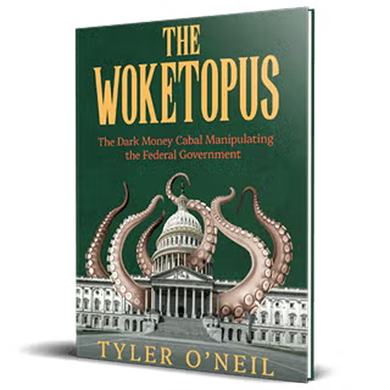
Read the first chapter of The Woketopus right now for FREE
Today, even with President Trump’s victory, leftist elites have their tentacles in every aspect of our government.
The Daily Signal’s own Tyler O’Neil exposes this leftist cabal in his new book, The Woketopus: The Dark Money Cabal Manipulating the Federal Government.
In this book, O’Neil reveals how the Left’s NGO apparatus pursues its woke agenda, maneuvering like an octopus by circumventing Congress and entrenching its interests in the federal government.
You can read the first chapter of this new book for FREE in this eBook, The Woketopus: Chapter One using the secure link below.


The Daily Signal depends on the support of readers like you.
RELATED ARTICLES




Don’t miss the

Don’t miss the signal