From Last to First: Florida’s Rise and the Heritage Election Integrity Scorecard
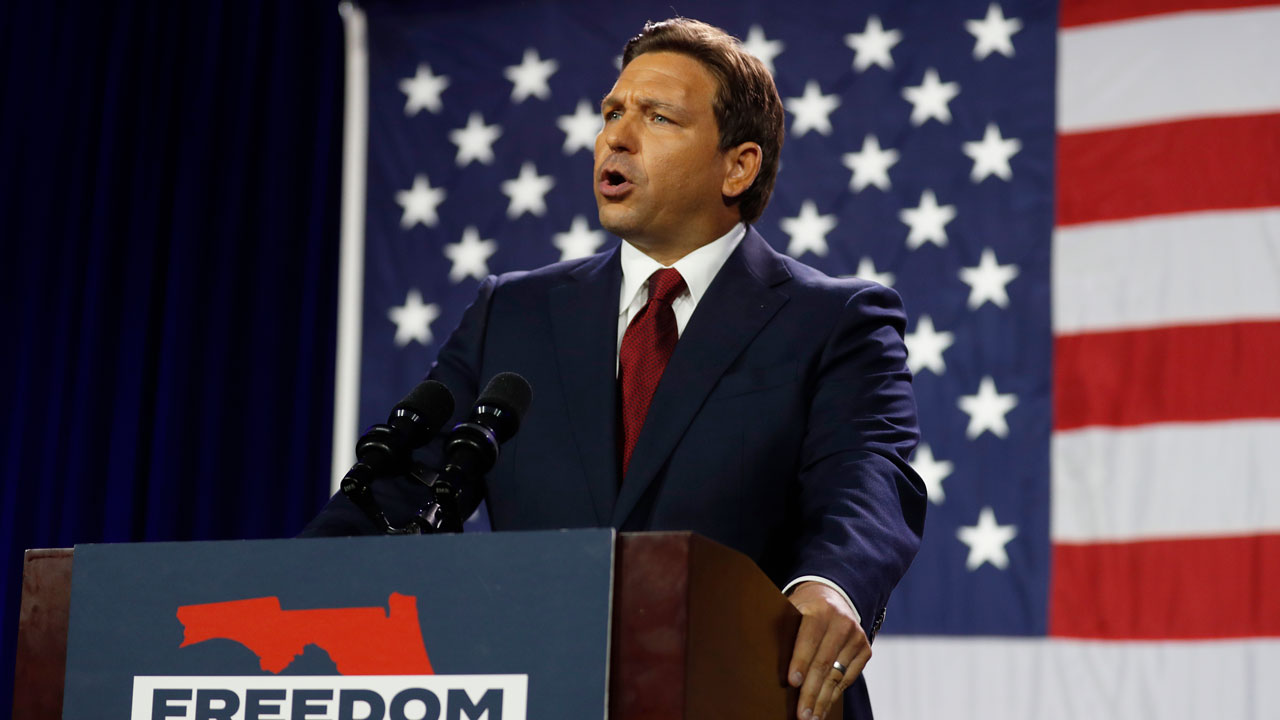
For the fifth consecutive year, The Heritage Foundation has ranked all 50 states’ and the District of Columbia’s election laws and safeguards in place for secure and accurate elections. With a series of new citizenship requirements for voting, Florida continues to rise in the rankings, settling in at No. 5 for 2026.
The 2026 Election Integrity Scorecard continues to be the blueprint for election integrity practices across the country, highlighting how different states are improving their voting systems for future elections.
The most important policies for the scorecard include verifying citizenship for voter registration, implementing photo ID to confirm identity at the polls, and banning foreign funding of statewide ballot measures.
Florida is one of the best examples of what election integrity reforms can do to improve a state’s elections and the public’s confidence in the results.
Florida’s rise began from a low point: the 2000 Bush v. Gore election, in which ballot counting was delayed, disjointed, and recounted so many times that the Supreme Court eventually ruled that the lack of uniformity in ballot-counting standards violated the equal protection rights of citizens.
The state faced national scrutiny. A mere 537 ballots in Florida separated the two candidates vying to be the leader of the free world, and their political legal teams fought over every one.
TRENDING ARTICLES

While embarrassing, the fiasco drew attention to fundamental weaknesses in our electoral system and showed that new accuracy standards in voter registration and voting were necessary. The nation’s response ultimately resulted in the federal Help America Vote Act and new voluntary standards in voting.
Since then, Florida has charted a new direction and become the gold standard in election administration. Today, the state makes timely and accurate results available to the public immediately after the closing of the polls.
Florida’s impressive turnaround included the implementation of new and innovative audits, strong voter ID laws, and leadership using new state and federal programs to ensure that voter rolls only contain the names of eligible voters.
Florida has made it easy to vote and hard to cheat. For example, Florida provides its citizens with online registration, state verification, and multiple options to vote—including early in-person voting, mail voting with safeguards, and robust Election Day voting. Florida uses paper ballots, having transitioned from electronic machines in 2008, and the Florida Division of Elections individually evaluates each version of voting systems seeking to enter the Florida market for use in counties.
Results were not always timely in Florida. In fact, there were inexplicable delays that negatively impacted voter confidence and raised serious doubts about Florida’s elections. These came to a head when senatorial candidate Rick Scott sued Palm Beach and Broward County in his 2018 race for the delay and extended counting of ballots over several days. The blatant lack of transparency about the number of ballots yet to be counted and the underlying reasons for the delay was never explained. The two supervisors of elections were later suspended for their lack of competence over multiple elections, and they were replaced by future Gov. Ron DeSantis.
Following the delayed reporting of results, Florida enacted new election administration reforms that allowed county election officials to begin processing vote-by-mail ballots before Election Day, with tough deadlines ensuring that unofficial results must be released on election night. Election officials initially opposed these changes, but once the laws and procedures were implemented, the speed and accuracy of election night reporting improved significantly.
As a result, Florida now counts the ballots twice before California has even finished counting the first time. There is a reason that Florida is #5 and California is #50 on the Election Integrity Scorecard.
Florida has become a national leader in finding ways to keep noncitizens off the voter rolls. In 2026, the Florida Legislature passed and DeSantis signed the Florida SAVE Act. This strengthened the citizenship verification process and will require citizenship documentation for all new applicants and 13.5 million existing registered voters, priorities of the Election Integrity Scorecard.
While there is certainly going to be litigation, the new process will give registrants multiple opportunities at different stages of the registration process to provide an identifying number or documentation to confirm citizenship if needed.
Florida also became a national leader in the use of the Systematic Alien Verification of Eligibility program, the only tool available from the federal government that assists states in confirming citizenship and identifying potential noncitizens already on the voter rolls. Florida also successfully sued the Biden administration in 2024 to demand access to the SAVE program, and the state’s leadership was critical to forcing overall improvements to the federal SAVE system that have helped election officials more easily and regularly compare voter registration lists with federal citizenship data.
Laws are only as good as their enforcement, and Heritage will add new priorities to the scorecard in 2027 on the enforcement of existing election integrity laws, including the investigation of election crimes or irregularities. Florida’s Secretary of State Cord Byrd has been managing the Office of Election Crimes and Security, which is tasked with conducting preliminary investigations into any irregularities or voter fraud. Similarly, Florida Attorney General James Uthmeier has taken an aggressive posture to deter election crimes with the prosecution of noncitizens who illegally voted in elections.
Since 2000, Florida has shown that states can renew confidence in elections by adding key security measures, including photo ID and citizenship checks. Turnout has increased accordingly, hitting a high of 78% in the 2024 presidential election.
American elections must remain secure, accurate, and transparent. Florida continues to provide leadership to the nation and is now recognized as one of the top states in adopting strong election measures. Since 2000, Florida has made voting easy, secure, and timely.
State legislators and secretaries of state implementing strong conservative policies across the country are the true heroes of election integrity, and it is our hope that the Heritage Election Integrity Scorecard provides a blueprint for stronger elections in the future.
We publish a variety of perspectives. Nothing written here is to be construed as representing the views of the Daily Signal.

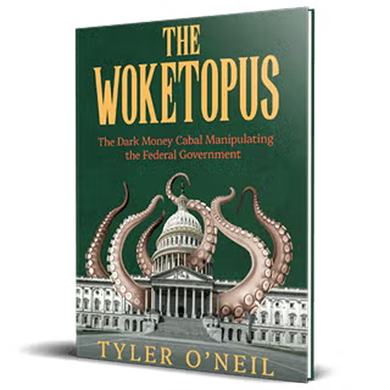
Read the first chapter of The Woketopus right now for FREE
Today, even with President Trump’s victory, leftist elites have their tentacles in every aspect of our government.
The Daily Signal’s own Tyler O’Neil exposes this leftist cabal in his new book, The Woketopus: The Dark Money Cabal Manipulating the Federal Government.
In this book, O’Neil reveals how the Left’s NGO apparatus pursues its woke agenda, maneuvering like an octopus by circumventing Congress and entrenching its interests in the federal government.
You can read the first chapter of this new book for FREE in this eBook, The Woketopus: Chapter One using the secure link below.
TRENDING ARTICLES

The Daily Signal depends on the support of readers like you.
RELATED ARTICLES


Don’t miss the

Don’t miss the signal