
Think Your Vote Doesn’t Matter? These Elections Were Won by a Single Ballot.
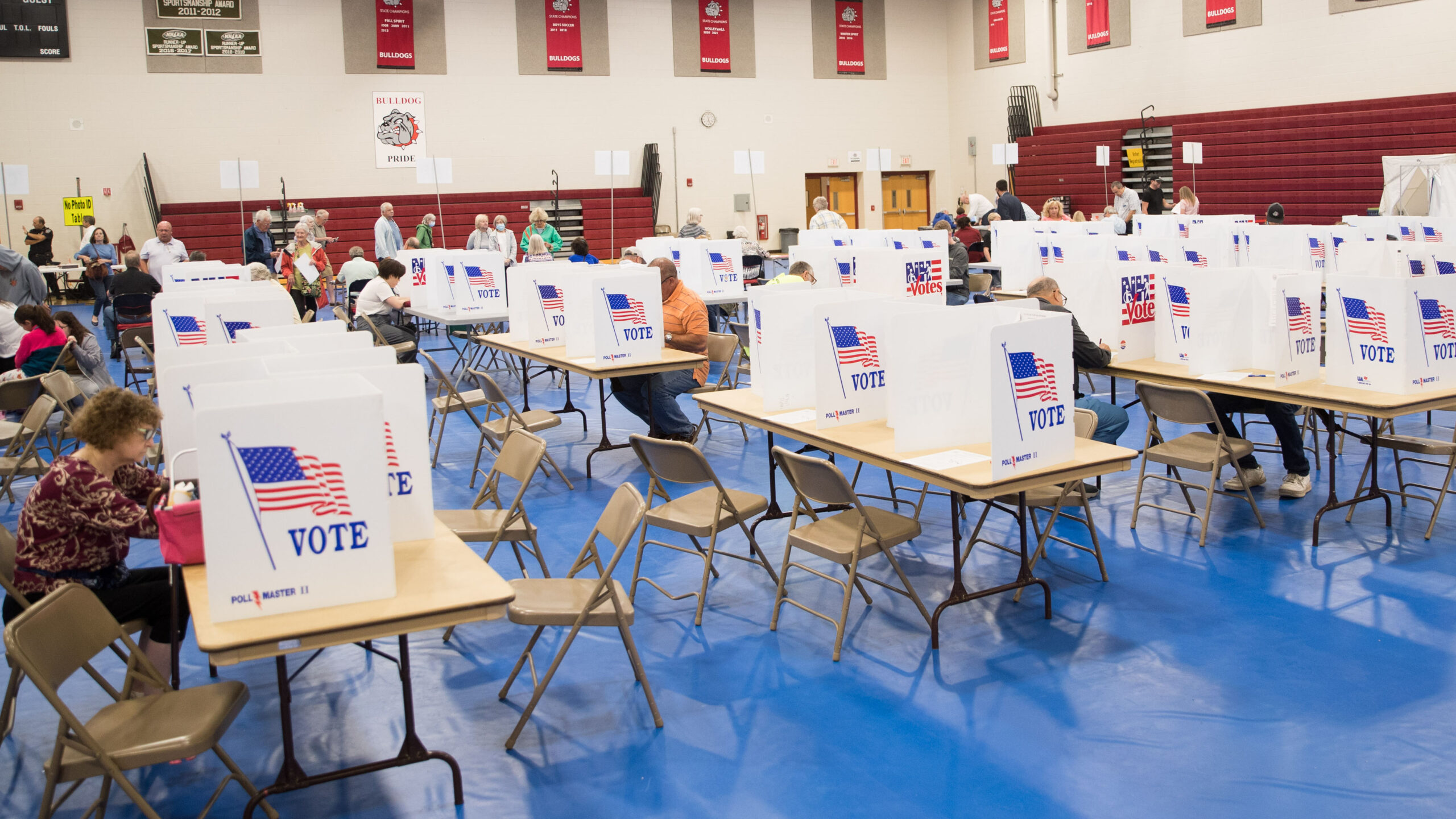
Races for state legislatures are among the most tightly contested in the country—sometimes decided by one vote. Lawmakers are debating election measures such as government-issued ID and proof-of-citizenship requirements that supporters say could better secure these closely fought races.
From 2018 to 2025, 660 elections were decided by fewer than 10 votes; of those, 94 elections were decided by one vote, according to Ballotpedia. Almost a third of those one-vote elections were state legislative races. Since 1992, there have been 1,371 elections ending in a tie, while another 530 were decided by a single vote, according to a database from the Public Interest Legal Foundation, an election integrity group.
State legislature races can impact national elections, as state lawmakers draw congressional maps and write election rules on matters such as voter ID and ballot harvesting.
“The No. 1 reason state Senate and state House of Representatives elections are so competitive is that they draw the redistricting maps and handle how elections will be run,” Logan Churchwell, research director for the Public Interest Legal Foundation, told the Daily Signal.
“Anyone concerned about election security shouldn’t dwell on the 2020 election or things that can’t be changed, but focus on the next statehouse elections,” Churchwell added.
As recently as March 2026, a candidate for House District 35 in Arkansas won a primary election by a single vote. Joyce Ann Gray won a multicandidate March 31 Democrat House primary, besting her nearest opponent, Audrey Willis, 408-407. However, in a two-person runoff, Williams toppled Gray by a margin of 344-to-221 votes.
TRENDING ARTICLES



Elections decided by narrow margins also invite alarm over the registration of noncitizens, and the SAVE America Act is being stalled in the Senate. The bill would require proof of citizenship to register to vote, and photo ID to vote.
Last month, the Department of Homeland Security released estimates that four states, California, New Jersey, Nevada, and Pennsylvania, had 256,463 noncitizens on their voter rolls. Separately, the 25 states cooperating with DHS in maintaining their voter rolls identified at least 28,000 noncitizens registered so far.
For its part, New Jersey released its own numbers showing it had 6,600 noncitizens registered to vote, and as many as 400 voted.
Many contests decided by one vote were also for local offices that are typically launching pads for higher office, such as county sheriff, city council, and school board. These races are significant too, Churchwell said.
“Those bottom-ballot races for town council, or neighborhood council, have the biggest direct effect on your budget,” Churchwell said.
There are many other examples of state-level elections being decided by just one vote. In a 2024 race for Maine House District 141, Republican Lucas Lanigan beat Democrat Patricia Kidder by a single vote, making it one of the closest state legislative contests in the country that year.
Several other New England states saw exceptionally close races in 2022.
In Connecticut’s House District 81 that year, Democrat Christopher Poulos beat Republican Tony Morrison by 5,297 to 5,296. The election-night margin was six votes, but the recount narrowed the margin to a single vote.
In a Democrat primary for Connecticut House District 127 between incumbent state Rep. Jack Hennessy and challenger Marcus Brown, the first recount changed the result with a one-vote win for Hennessy. However, a second recount changed the result again, giving Brown a two-vote victory. A judge subsequently ordered a new Democrat primary, which Brown won.
In nearby New Hampshire that year, Democrat Maxine Mosley initially trailed Republican Larry Gagne by 23 votes with a tally of 1,820 to 1,797. In this case, the recount flipped the race, and Mosley beat Gagne with 1,799 votes to 1,798 to represent the Hillsborough 16th District in the state House of Representatives.
In another 2022 New Hampshire nailbiter, Republican David Walker appeared to best Democrat Chuck Grassie by one vote. However, a recount produced a 970-970 tie. Grassie won the special election to settle the matter.
And in Massachusetts, in a race for House 2nd Essex District, after a recount, Democrat Kristin Kassner defeated Republican incumbent Lenny Mirra 11,763-to-11,762. Mirra, who initially won the race by 10 votes, challenged the result of the recount, but a special House panel decided to seat Kassner.
Elsewhere, a 2022 Republican primary for North Carolina’s House District 115 began with a tie vote of 3,145 votes each for candidates Pratik Bhakta and Sherry Higgins. However, after a recount, officials found one additional vote for Bhakta, making him the party’s nominee for the seat.
Also that year, in the Alabama Senate District 27 Republican primary, Jay Hovey beat incumbent state Sen. Tom Whatley by 8,373 to 8,372. However, the Alabama Republican Party treated the race as a tie after counting an additional provisional ballot. Whatley conceded after the Alabama Law Enforcement Agency determined the provisional ballot was not cast by a registered voter.
In a 2019 race for the Mississippi Senate District 50 seat, Dixie Newman beat Scott DeLano by a single vote in the Republican primary. A court later ordered a partial revote because of questions about voters receiving incorrect ballots. Newman won the revote.
There were many examples in 2018 of one vote separating the winner and loser.
A Republican primary for a Pennsylvania state House seat was also decided by a single vote, when Torren Ecker defeated Barry Cockley by a vote of 1,784-to-1,783.
In Kentucky House District 13, Democrat Jim Glenn defeated Republican incumbent D.J. Johnson 9,527-to-9,526.
In Alaska House District 1, Republican Bart LeBon beat Democrat Kathryn Dodge by a single vote. The race was initially a tie, with each candidate receiving 2,661 votes. The case went before the Alaska Supreme Court, which affirmed the recount result and LeBon’s victory.
That same year, in a Republican primary for Virginia House District 24, Ronnie Campbell beat Jimmy Ayers by 1,068-to-1,067.

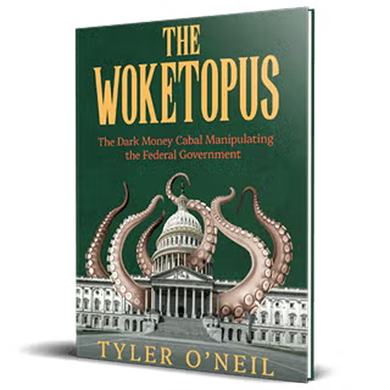
Read the first chapter of The Woketopus right now for FREE
Today, even with President Trump’s victory, leftist elites have their tentacles in every aspect of our government.
The Daily Signal’s own Tyler O’Neil exposes this leftist cabal in his new book, The Woketopus: The Dark Money Cabal Manipulating the Federal Government.
In this book, O’Neil reveals how the Left’s NGO apparatus pursues its woke agenda, maneuvering like an octopus by circumventing Congress and entrenching its interests in the federal government.
You can read the first chapter of this new book for FREE in this eBook, The Woketopus: Chapter One using the secure link below.




The Daily Signal depends on the support of readers like you.
RELATED ARTICLES




Don’t miss the

Don’t miss the signal