The internet delivers an endless stream of hardcore pornography into American homes and pockets through laptops and mobile phones.
Porn once confined to seedy bookstores is now ubiquitous, free, and increasingly violent. Most youngsters, especially boys, encounter hardcore pornography before they can drive. Marriages strain under its influence. The sexual dance is compromised by suspicion and confusion.
There is a growing perception that this cultural contagion is legally untouchable. That perception is wrong.
General obscenity remains illegal under state and federal statutes. The real barrier to confronting the widespread pornography is not legal barriers—it is a lack of will and nerve to enforce the law. A new Heritage Foundation backgrounder, “Is General Obscenity Still Illegal? A Postmortem on the Bush Obscenity Prosecution Task Force,” examines the last serious federal effort to deal with the scourge of pornography and charts a path forward.
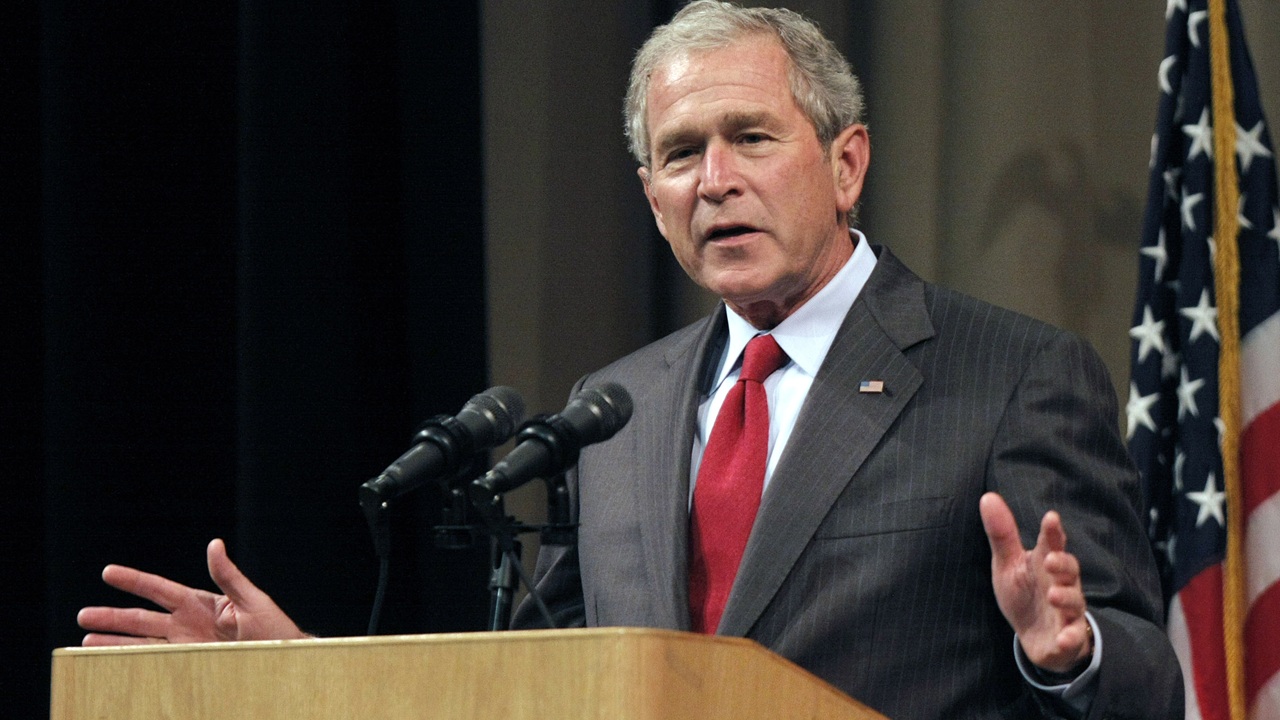
Created in 2005 under President George W. Bush, the Obscenity Prosecution Task Force marked the last national push to prosecute general, hardcore obscenity. Led by Director Brent Ward, a small team secured convictions in every case that reached conclusion—including high-profile wins against producers of obscene material like Rob Black (Extreme Associates), Max Hardcore, and others.
The team of prosecutors wielded the record-keeping requirements of 18 U.S.C. section 2257 against a company called Girls Gone Wild, immediately prompting widespread industry compliance and deterring the use of children in pornography production. Every jury convicted defendants.
TRENDING ARTICLES



The Obscenity Prosecution Task Force met strong headwinds. Despite the apparent creation of the task force to crack down on the growing porn industry, it was “calibrated so as to render obscenity enforcement only minimally effective,” as Ward wrote in a candid 2007 resignation letter to Attorney General Michael Mukasey, released for the first time as an appendix to the backgrounder.
Prosecutors faced uncertain community standards, internet jurisdictional headaches, Supreme Court skepticism even toward child-protection measures, and techno-optimist resistance to any content regulation on the internet. Many U.S. attorneys slow-walked or refused to prosecute cases, fearing they would be labeled modern-day Comstocks. The FBI restricted investigations to the most extreme content, effectively creating a safe harbor for vast amounts of illegal material. The Obscenity Prosecution Task Force was starved of key resources and personnel.
All this culminated in President Barack Obama’s quiet disbanding of the Obscenity Prosecution Task Force in 2011. Today, states largely allow general obscenity statutes to go unenforced, focusing only on child pornography.
The result has been a de facto deregulation of pornography. The volume of internet pornography exploded, as did its depravity. As former Sen. Orrin Hatch, R-Utah, noted, the hiatus in prosecutions emboldened the industry to push ever more extreme products.
Today, the costs are clearer than ever. Extensive research documents pornography’s harms: addiction-like patterns among users, distorted views of sex and relationships, escalation to more violent content, links to aggression (especially against women), and grooming pathways toward child sexual abuse material.
A generation raised on internet pornography shows higher rates of sexual dysfunction, relationship dissatisfaction, and reluctance to marry. Sexual eros, once channeled toward commitment and family, has been pointed toward self-gratification.
The legal foundation remains intact. Federal statutes from 1948 criminalize the production, distribution, mailing, and sale of obscene material—defined by prevailing Supreme Court precedent as patently offensive material that lacks serious literary, artistic, or scientific value under community standards and appeals to the prurient interest. These statutes apply to digital distribution via interstate commerce. And most states still maintain robust legal schemes criminalizing obscenity.
The legal environment shows favorable shifts toward obscenity prosecutions. The Supreme Court’s 2025 decision in Free Speech Coalition v. Paxton upheld state age-verification requirements for porn sites, perhaps signaling greater openness to regulation protecting public morals. Nearly every state maintains task forces against child sex trafficking and online exploitation. Cultural critics of Big Tech and social media harms are gaining ground. Public understanding of pornography’s personal and societal damage only continues to grow.
A revived Obscenity Prosecution Task Force—or similar state or local efforts—should not repeat past mistakes. It must target high-value distributors and platforms, operate with clear priorities and support from the attorney general, secure adequate resources, and coordinate across agencies. To have a practical effect, these prosecutions should be executed in conjunction with efforts to hold platforms accountable for obscene materials that they host. A revived Obscenity Prosecution Task Force should focus on material that violates contemporary community standards—standards that, in most American communities, still reject the worst excesses of the modern pornified internet.
Enforcing existing obscenity law is the first step in defending human dignity and family formation from an industry that profits from vice. In the absence of that enforcement, societal harms have only continued to mount.
The law is willing, but the flesh has been weak. The time for renewed state and federal leadership is now. Our Obscenity Prosecution Task Force postmortem shows what went wrong the last time obscenity prosecutions were taken seriously. Policymakers and prosecutors should ensure the Obscenity Prosecution Task Force’s failure does not become a permanent societal one.

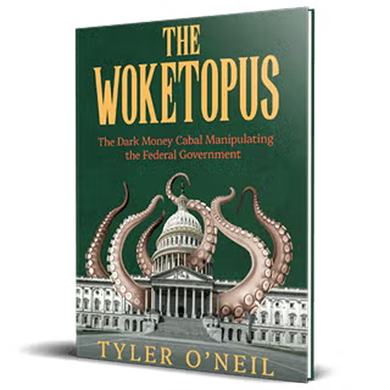
Read the first chapter of The Woketopus right now for FREE
Today, even with President Trump’s victory, leftist elites have their tentacles in every aspect of our government.
The Daily Signal’s own Tyler O’Neil exposes this leftist cabal in his new book, The Woketopus: The Dark Money Cabal Manipulating the Federal Government.
In this book, O’Neil reveals how the Left’s NGO apparatus pursues its woke agenda, maneuvering like an octopus by circumventing Congress and entrenching its interests in the federal government.
You can read the first chapter of this new book for FREE in this eBook, The Woketopus: Chapter One using the secure link below.
TRENDING ARTICLES


The Daily Signal depends on the support of readers like you.
RELATED ARTICLES





Don’t miss the

Don’t miss the signal