
Summary
- Ohio lawmakers are reconsidering data center legislation during the 2026 lame-duck session after House Bill 646 stalled before the summer recess.
- House Bill 646 would reduce new data center sales tax exemptions from 100% to 50% while leaving existing contracts unchanged.
- Ohio voters considered 21 local data center ballot issues, while a proposed statewide ban could go before voters in 2027.
Doing something about data centers continues to be all the rage, even after a blue wave hit Ohio and as lawmakers begin a lame-duck session. While the Ohio General Assembly failed to pass HB 646, lawmakers have another chance.
Lawmakers had been considering House Bill 646 before their summer recess but failed to come to an agreement. Up for debate was the level of tax breaks and regulation that data centers would receive. The state Legislature has time to try again before a new session starts under a Democrat governor and with smaller Republican majorities in both chambers.
A joint committee started meeting in May to study the effects of data centers, and Gov. Mike DeWine, R-Ohio, took his own action around that same time to pause new requests for tax exemptions. The committee welcomed the move.
That pause from DeWine was temporary. House Bill 646 would, in part, limit new sales tax breaks from 100% to 50%. As the Ohio Capital Journal reported, however, it doesn’t apply to companies with existing contracts.
Senate President Rob McColley and House Speaker Matt Huffman don’t appear to have an issue with considering the bill, as the Ohio Capital Journal also reported, with Huffman even calling it a “good bill.”
TRENDING ARTICLES



“I think everything we’ve discussed before is up for discussion now. So generally speaking, it’s across the board,” McColley said.
“There might be some other fine tuning, and I think that gives the protection to the local groups,” Huffman also said. “It incentivizes brownfields. It makes sure the water part and the electrical use, the tariffs are paid,” adding he thinks “we need to work on [the bill].”
That’s not the only bill, though, as there have been reports from News 5 Cleveland of a “leaked” Republican bill that would expand the definition of “public utility” to include “an agency holding a certificate of environmental compatibility and public need from the power siting board for constructing an electric transmission line and associated facilities or gas pipeline and its associated facilities.” There are concerns that land could be seized through eminent domain.
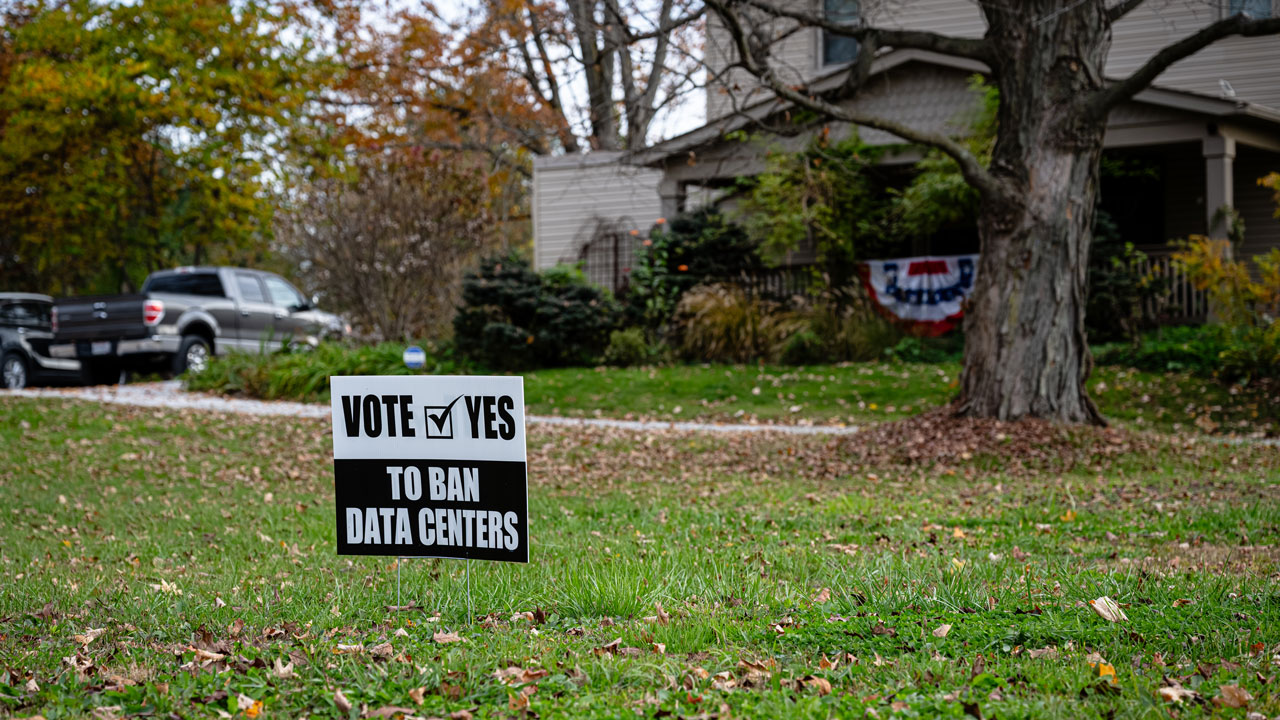
The elections earlier this month are telling, as Ohioans voted on 21 local ballot issues to regulate or even ban data centers, with the Statehouse News Bureau pointing out that the results could set the stage for next year’s vote to ban large data centers. Ohio currently has the sixth most data centers in the country.
In 2027, Ohio voters will have ballot issues to decide regarding data centers as well as same-sex marriage and “gender identity and expression.”
Data centers had often been front and center leading up to the midterms, including in the gubernatorial race between Gov.-elect Amy Acton and her Republican opponent, Vivek Ramaswamy. A priority listed on Acton’s website mentioned a plan to enact “a conditional moratorium on data centers to ensure they cover one hundred percent of their utility costs, exclusively build with union labor, operate with full transparency, support the needs of local communities, live by Ohio’s environmental standards, and bring jobs to former industrial areas that have been left behind.”
Acton also wants tax incentives for developers to be reined in and wants new factories to be built on brownfields or where jobs have already been lost.
It also played a role in the U.S. Senate special election. Republican Sen. Jon Husted had been appointed to fill Vice President JD Vance’s seat but lost to Democrat Sherrod Brown, who pulled off a comeback win but will have to run again in 2028.
A leaked memo from the National Republican Senatorial Committee had warned that the data center issue could affect not only the Ohio race but also races in other states. Brown, now senator-elect, had released ads saying Husted had been “the face of data centers.”

Read the first chapter of The Woketopus right now for FREE
Today, even with President Trump’s victory, leftist elites have their tentacles in every aspect of our government.
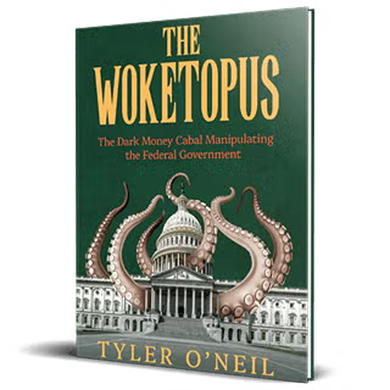
The Daily Signal’s own Tyler O’Neil exposes this leftist cabal in his new book, The Woketopus: The Dark Money Cabal Manipulating the Federal Government.
In this book, O’Neil reveals how the Left’s NGO apparatus pursues its woke agenda, maneuvering like an octopus by circumventing Congress and entrenching its interests in the federal government.
You can read the first chapter of this new book for FREE in this eBook, The Woketopus: Chapter One using the secure link below.

The Daily Signal depends on the support of readers like you.
RELATED ARTICLES





Don’t miss the

Don’t miss the signal
