
In One Type of ‘Blockbuster’ Case, Supreme Court Weighs 1980s Video Privacy Law in Digital Age
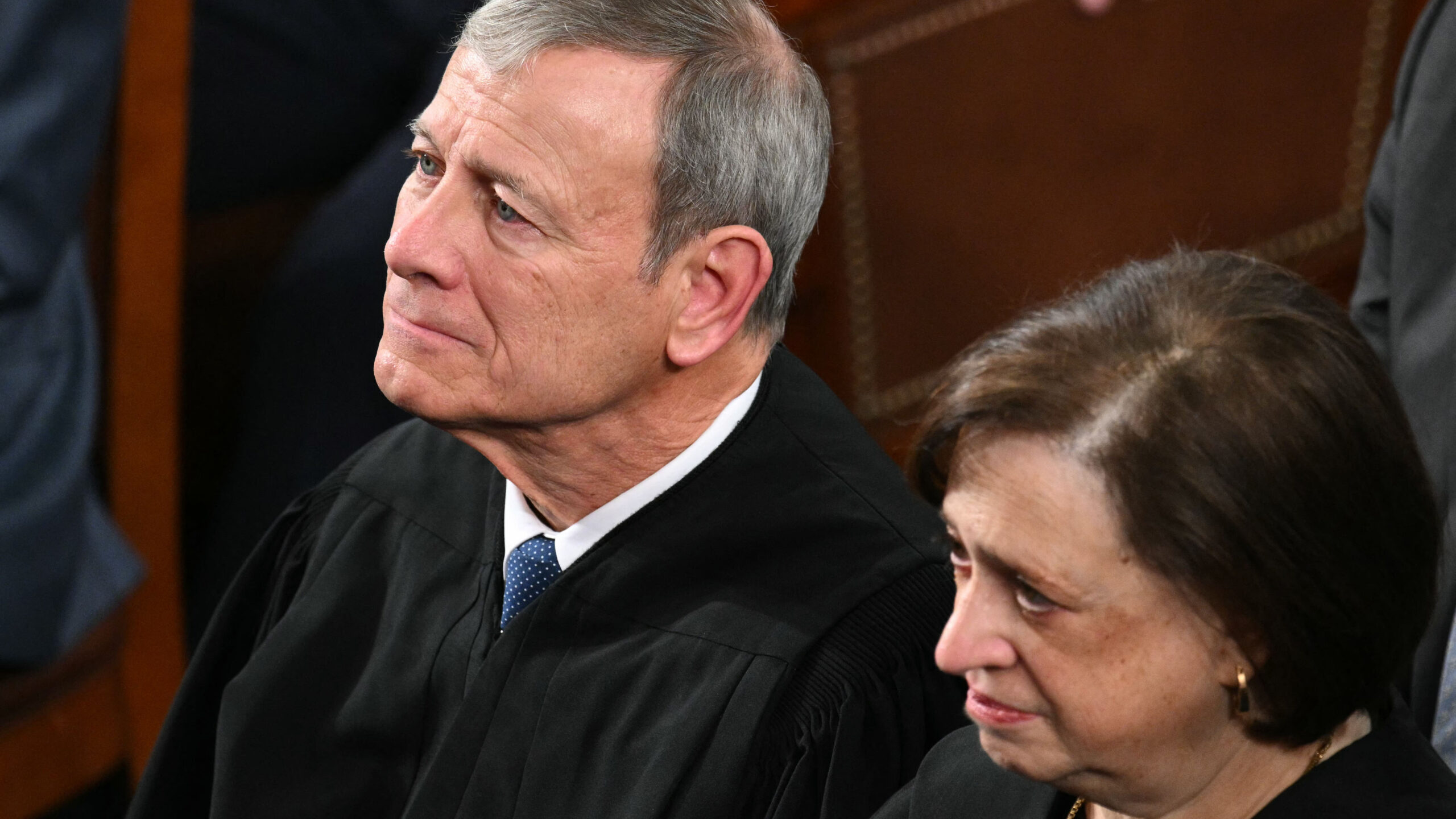
The Supreme Court heard arguments Wednesday on how a video rentals privacy law from the 1980s applies to the digital age.
Justices on both sides expressed skepticism about how the 1988 Video Privacy Protection Act, enacted in the days of VHS rentals at stores such as Blockbuster Video, applies today. The federal law, at the center of the case of Salazar v. Paramount Global, prohibits the disclosure of customers’ rentals and personally identifiable information but specifically refers to “tapes.”
Justice Samuel Alito noted that Congress “enacted a law that is based on the technology of the 1980s, and you can see this in every provision of this, in the title, ‘wrongful disclosure of videotape rental, for sale, or sale records.’”
“I’m just wondering whether we have sort of limitations in the facts that we need to think about a little bit in trying to assess what Congress’ intent was here,” Justice Ketanji Brown Jackson said.
The dispute goes back to 2022, when plaintiff Michael Salazar subscribed to an email newsletter distributed by 247Sports.com, a subsidiary of Paramount, that included videos.
Without Salazar’s consent, Paramount disclosed his Facebook ID and video-watching history to Facebook, according to the question presented to the Supreme Court.
TRENDING ARTICLES



“Is Paramount a videotape service provider in the literal sense of the term?” Alito asked on Wednesday. “In the literal sense of the term, are they selling videotapes, VHS tapes.”
Some of the same justices expressed concern about privacy under an overly narrow reading of the law that says, “A video tape service provider who knowingly discloses, to any person, personally identifiable information concerning any consumer of such provider shall be liable to the aggrieved person for the relief provided in subsection.”
Justice Elena Kagan shared a hypothetical scenario involving a judge who subscribes to 247Sports.
“And then it turns out that the judge watches some pretty funky sports videos, like a lot of women wrestling or something,” Kagan said. “That’s embarrassing. That’s exactly why Congress thought it was passing the statute to prevent disclosure of that information.”
Paramount’s lawyer, Paul Clement, replied, “It’s hard to watch a lot of embarrassing videos on 247 Sports based on my perusal of it, but, maybe watching Chicago Bears films is embarrassing in certain parts of the country.”
The privacy concerns over video rentals first gained steam in 1987 when the Washington City Paper published the leaked video rentals of President Ronald Reagan’s nominee to the Supreme Court, Robert Bork. The video preferences were not sensational—largely mysteries and British films—SCOTUSBlog recently noted. However, it was enough to spark bipartisan support in Congress to protect privacy.
Joshua Hammack, attorney for Salazar, said that Congress revisited the statute in 2013 and determined the core of the law did not require updating.
“I’m not sure it’s true that in 1988, it was inconceivable that someone might watch a video on a computer,” Hammack said.
“I think Congress was very concerned with the changing technological advances and computer technology. But even more, in 2013, when Congress stepped back into this statute, and it revised just the consent provision. It was intimately aware with the fact that people were streaming all sorts of videos to their phones, and to their computers all the time.”
Clement noted that the 247Sports.com subscription is free and that the newsletter includes videos and thus should not be covered by the law. Clement argued that Chick-fil-A or other businesses with short videos on their websites could be included under the plaintiff’s definition of a video business.
“We would take the position that Netflix, when you go online, Netflix, that might still be covered. So I think the core of the statute is still covered under our view,” Clement said. “What we would say is that this notion that you can just mix and match what makes you a consumer, and what gives you the personally identifiable information that the statute protects for consumers, that mismatch doesn’t make any sense.”
Salazar first filed a federal lawsuit in Nashville and sought a class action, alleging that Paramount’s disclosure of his video-viewing history without his consent violated the 1988 law.
U.S. District Judge Eli Richardson dismissed the case and determined that Salazar was not a “consumer,” because he wasn’t a “‘a subscriber of goods and services in the nature of audio-visual content.’” A divided panel of the 6th U.S. Circuit Court of Appeals upheld the district court ruling.

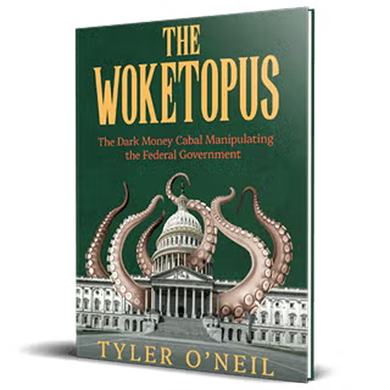
Read the first chapter of The Woketopus right now for FREE
Today, even with President Trump’s victory, leftist elites have their tentacles in every aspect of our government.
The Daily Signal’s own Tyler O’Neil exposes this leftist cabal in his new book, The Woketopus: The Dark Money Cabal Manipulating the Federal Government.
In this book, O’Neil reveals how the Left’s NGO apparatus pursues its woke agenda, maneuvering like an octopus by circumventing Congress and entrenching its interests in the federal government.
You can read the first chapter of this new book for FREE in this eBook, The Woketopus: Chapter One using the secure link below.


The Daily Signal depends on the support of readers like you.
RELATED ARTICLES





Don’t miss the

Don’t miss the signal