
With food prices on the rise and Americans reassessing their monthly food budgets, the Senate Agriculture Committee is set to mark up the farm bill today. Packed with agriculture subsidies originating during the Great Depression, the farm bill has been informed by a belief that these subsidies “save the struggling family farm,” but the facts show this system has been one of the very things that have accelerated its decline.
Like many subsidy programs, the current system of crop insurance, commodity price and income support, and disaster assistance programs boost the profits of large operations while accelerating the decline of small, independent farms. Washington needs to reform the current subsidy program structure because it rewards consolidation instead of strengthening America’s food system.
With the current bill expiring on Sept. 30, lawmakers are moving quickly toward a final five-year package that will decide who is eligible and how the rules are applied to hundreds of billions of dollars in agricultural support. The question is not simply how much Washington spends on agriculture, but whether the next farm bill will continue to reward consolidation or begin correcting it.
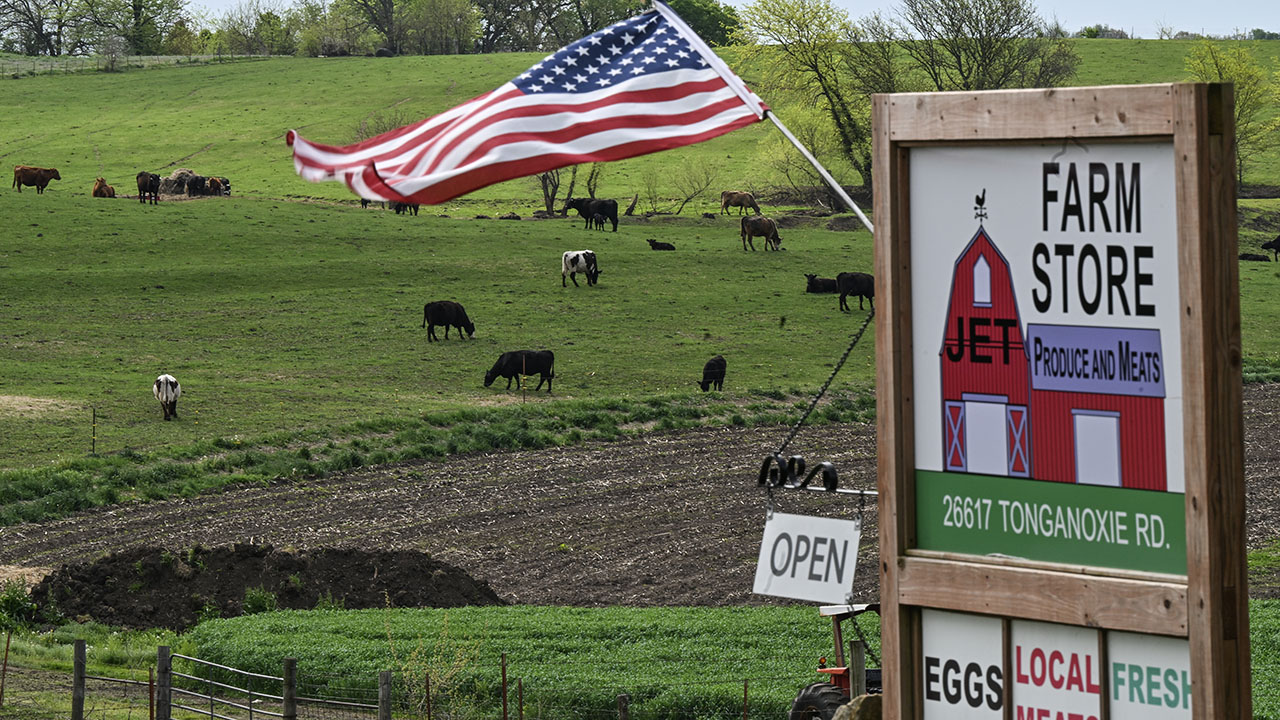
For decades, the federal government has been distorting the market by favoring the nation’s largest agricultural operations while small, independent farms receive little to no support. According to the Environmental Working Group, about 69% of all farms receive no subsidy funding, while the top 10% of recipients have captured around 75%-79% of payments over decades. Washington tends to reward farms of scale, acreage, and commodity production rather than the small operations that are most vulnerable to hardships.
These consequences are visible across rural America. While federal support has increased, the number of small farms has continued to decline. Department of Agriculture data shows that from 2017 to 2022, the number of family farms fell by nearly 159,000, while the number of large operations has continued to increase over decades. If subsidies are intended to provide a safety net for American agriculture, decades of consolidation raise a serious question about whether that support is reaching the farms most vulnerable to failure.
This concentration also carries national-security costs. The United States now imports roughly 50%-60% of its fruit and about one-third of its vegetables. Heavy reliance on foreign supply chains leaves the country more vulnerable to disruptions and weakens the self-sufficiency that food security requires.
TRENDING ARTICLES



In 2025, Congress used the reconciliation process to lock in major commodity-program changes through the One Big Beautiful Bill Act. While much of its impact has been positive for the agriculture industry, it does shine light on unprecedented effects. It continued the decades-long pattern of expanding policies that disproportionately benefit the largest operations. Two provisions in particular have accelerated the concentration of farmland.
First, the law added 30 million new “base acres,” the acreage the U.S. Department of Agriculture uses to determine eligibility for many commodity subsidy payments. Because larger farms already control more qualifying land, expanding the number of eligible base acres allows them to receive a greater share of federal support, widening the gap between large operations and smaller farms competing for the same land.
Second, the “One Big, Beautiful Bill” raised the individual payment cap on certain commodity programs from $125,000 to $155,000 (now adjusted for inflation) and allowed each owner of an LLC or S-corporation to claim that limit separately rather than splitting one limit across the entire business.
For a small, single-owner farm, that’s a modest $30,000 increase. For a large operation with multiple owners on paper, it can mean multiplying that cap several times over. Neither provision was designed to disadvantage independent farmers, but together they ensure the largest operations receive the greatest share of taxpayer support, regardless of need.
While it was important for Congress to extend these programs to 2031 due to the lack of bipartisan support for a full five-year farm bill in 2024, it did so without any major reforms to the underlying subsidies.
Critics may argue that large farms simply produce what the market demands. If that’s true, why do they require billions of dollars in federal support?
Because this is no longer a free market. The American agriculture industry has not acted under normal laissez-faire economics in decades. Instead, Congress has put in place restricting guardrails to shape land values, production incentives, and investment decisions around federally favored commodities. Much of today’s subsidy structure reflects agricultural priorities established generations ago rather than modern consumer demand.
Federal support overwhelmingly favors commodity crops such as corn, wheat, and soy, encouraging their continued production regardless of changing dietary preferences. Many of these crops are ultimately processed into high-fructose corn syrup, hydrogenated oils, and other ingredients that dominate ultra-processed foods.
Meanwhile, independent and diversified farms that grow nutrient-dense fruits, vegetables, and other whole foods receive far less federal support. Local and regional producers can harvest closer to peak quality and deliver food with shorter supply chains, advantages that industrial monocultures and long-distance imports often cannot match.
If we want a healthier and more resilient food system, we need a stronger foundation. Even if the bill moves forward in its current form, the underlying problems will remain: payment rules that favor complex multi-owner operations, base-acre expansions that further concentrate benefits, and a subsidy structure still tilted toward a handful of commodity crops.
It is time we start to examine how future legislation can realign support so that it reaches producers who are most vulnerable.
Washington’s agriculture subsidies have been misguided for decades, and Congress now has the chance to change that. The farm bill will set the trajectory of American agriculture for the next five years. If Congress fails to act now, the door may remain shut until 2031.
Family farms are the foundation of a healthy food supply and a healthy nation, and they deserve a farm bill that promotes and strengthens them.

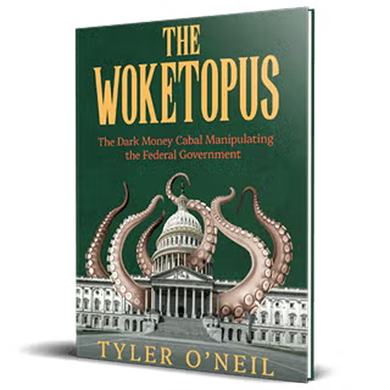
Read the first chapter of The Woketopus right now for FREE
Today, even with President Trump’s victory, leftist elites have their tentacles in every aspect of our government.
The Daily Signal’s own Tyler O’Neil exposes this leftist cabal in his new book, The Woketopus: The Dark Money Cabal Manipulating the Federal Government.
In this book, O’Neil reveals how the Left’s NGO apparatus pursues its woke agenda, maneuvering like an octopus by circumventing Congress and entrenching its interests in the federal government.
You can read the first chapter of this new book for FREE in this eBook, The Woketopus: Chapter One using the secure link below.
TRENDING ARTICLES


The Daily Signal depends on the support of readers like you.
RELATED ARTICLES





Don’t miss the

Don’t miss the signal