Plastic ‘Crisis,’ ‘Environmental Racism,’ and Other Woke Lawfare Cases to Watch That Could Shape National Policy
While “woke” policies, such as environmental and diversity initiatives, might appear to be on life support in the political realm, they are still very active in state courts, with pending cases.
State lawsuits can still have a national impact, warns O.H. Skinner, executive director of the watchdog group Alliance for Consumers. This is also the case for federal lawsuits seeking to supplant local policymakers, he said.
Lawsuits against private companies are used as instruments to promote an environmental, social, and governance agenda as well as diversity, equity, and inclusion policies, he said.
“The climate cases are a means to change nationwide behavior through the state courts,” Skinner, a former lawyer for the Arizona attorney general’s office who argued for the state before the U.S. Supreme Court, told the Daily Signal.
“Suing companies over DEI and ESG can set national conditions and establish a stepping stone to build momentum for other cases,” Skinner added.
1. California v. ExxonMobil
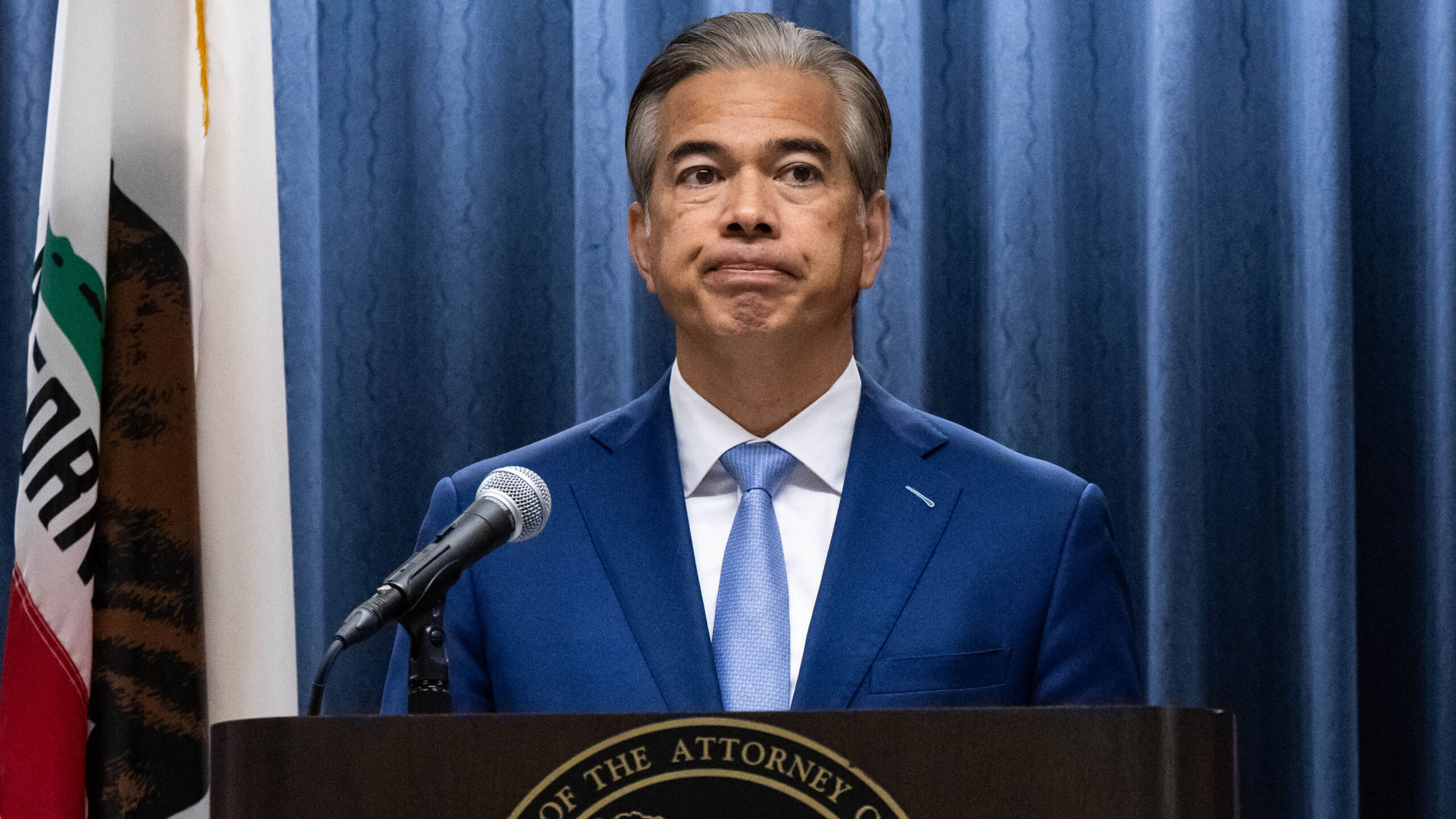
A 2024 case brought by California Attorney General Rob Bonta, along with the Sierra Club, against ExxonMobil in San Francisco Superior Court, alleged the energy company “caused or substantially contributed to the deluge of plastic pollution that has harmed and continues to harm California’s environment, wildlife, natural resources, and people.”
TRENDING ARTICLES


The suit claims plastics are a public nuisance, and the company’s focus on recycling constituted misleading marketing.
“For decades, ExxonMobil has been deceiving the public to convince us that plastic recycling could solve the plastic waste and pollution crisis when they clearly knew this wasn’t possible,” Bonta said in announcing the lawsuit.
Skinner said this is an attempt to bypass the legislative process to control corporate speech and impose plastic manufacturing and use restrictions through litigation.
2. Honolulu v. Sunoco
A lawsuit in one of the smallest states alleged that multiple oil companies were responsible for climate damages.
The public nuisance suit by the city of Honolulu, Hawaii’s state capital, against major oil and gas companies, filed in 2020 and still pending, names Sunoco as the lead defendant. It alleges the companies are responsible for problems such as sea-level rise and infrastructure issues.
Honolulu is seeking damages to fund claimed “climate-related infrastructure costs” for the city; the establishment of “cleanup funds”; and climate mitigation actions mandated by court order to curtail the energy industry.
Defendants contended the case should be heard in federal court, but the Hawaii Supreme Court rejected the argument in 2023. In January, the U.S. Supreme Court declined to hear an appeal.
The other defendants are ExxonMobil, Chevron, Shell, BP, and ConocoPhillips. A case affecting so many companies could put state judges in charge of sweeping energy policy rather than elected legislatures, the Alliance for Consumers contends.
3. Plaquemines Parish v. Chevron
A Louisiana lawsuit aims to unlock potentially billions for environmental groups and remove energy production from the coastal parishes. It began in Louisiana state court and moved to federal court.
Plaquemines Parish is the lead plaintiff in the case. The lawsuit was filed in federal court in 2013, but is still winding through the courts.
In April 2025, a Louisiana state-court jury awarded Plaquemines Parish about $740 million in damages against Chevron based on plaintiff’s claims that the oil company caused wetland erosion and failed to obtain proper permits.
However, the U.S. Supreme Court heard arguments in January about whether proceedings should be in state or federal court and determined in April that the case should be in federal court. This voided the earlier judgment, but the case hasn’t been decided on its merits.
4. Inclusive Louisiana v. St. James Parish
In another Louisiana case, a progressive nonprofit, led by Inclusive Louisiana, with representation from the left-leaning Center for Constitutional Rights, alleges St. James Parish’s 2014 land-use policy is part of the “deep and lasting harms of slavery and its afterlife.”
The plaintiffs allege “environmental racism.” The case is a federal lawsuit filed in 2023 that could allow courts to supplant local policymaking, Skinner said.
Other plaintiffs are Mount Triumph Baptist Church and RISE St. James. The complaint alleges the parish engaged in racially discriminatory zoning when steering the petrochemical industry into predominantly Black neighborhoods.
The plaintiffs seek a moratorium on new industrial facilities and court-supervised revision of local zoning and land-use policies.

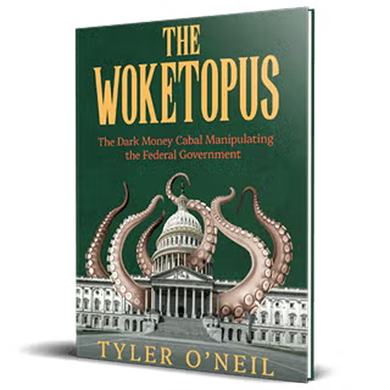
Read the first chapter of The Woketopus right now for FREE
Today, even with President Trump’s victory, leftist elites have their tentacles in every aspect of our government.
The Daily Signal’s own Tyler O’Neil exposes this leftist cabal in his new book, The Woketopus: The Dark Money Cabal Manipulating the Federal Government.
In this book, O’Neil reveals how the Left’s NGO apparatus pursues its woke agenda, maneuvering like an octopus by circumventing Congress and entrenching its interests in the federal government.
You can read the first chapter of this new book for FREE in this eBook, The Woketopus: Chapter One using the secure link below.

The Daily Signal depends on the support of readers like you.
RELATED ARTICLES


Don’t miss the

Don’t miss the signal