
Recent attacks in Brussels by terrorists and their connection with a plot to attack a Belgian nuclear power plant raise the question of whether nuclear material could ever be stolen to create a dirty bomb. There’s a lot of misconception about what a dirty bomb is and how one may be used in a greater strategic context. Here are five things you should know about dirty bombs:
- A dirty bomb is not a nuclear bomb. A dirty bomb, or radiation dispersion device (RDD), is simply an explosive device laced with radioactive material. The destructive power of a nuclear bomb is exponential compared to a dirty bomb. Furthermore, a much greater level of technological sophistication is needed to create the nuclear reaction necessary for a nuclear weapon relative to simply exploding dynamite.
- Dirty bombs have a greater psychological impact. The greatest immediate damage from a dirty bomb comes from the explosion itself. How radioactive material is spread from the explosion can be factor to a number of things, such as the scale of the explosion, the type of radioactive material used, and even wind patterns. The greatest physical danger from radiation might come from inhaling or ingesting of this material. However, most dirty bombs would not release enough radiation to kill people. Psychological impacts on communities can be long-lasting from the fear of further radiation exposure.
- There have been at least two plots involving dirty bombs against the U.S. In 2002, Jose Padilla was arrested at Chicago’s O’Hare airport. He was charged with planning to use a dirty bomb to attack the U.S. In 2004, Dhiren Barot was arrested for planning attacks on financial institutions in New York; Washington, D.C.; and New Jersey, including the use of dirty bombs in these attacks.
- Nuclear power plants aren’t the only places with radioactive material. Radioactive material is found in a number of places (like hospitals). There have been instances when radioactive material has gone missing from facilities that had been using the material for activities such as testing of oil pipelines.
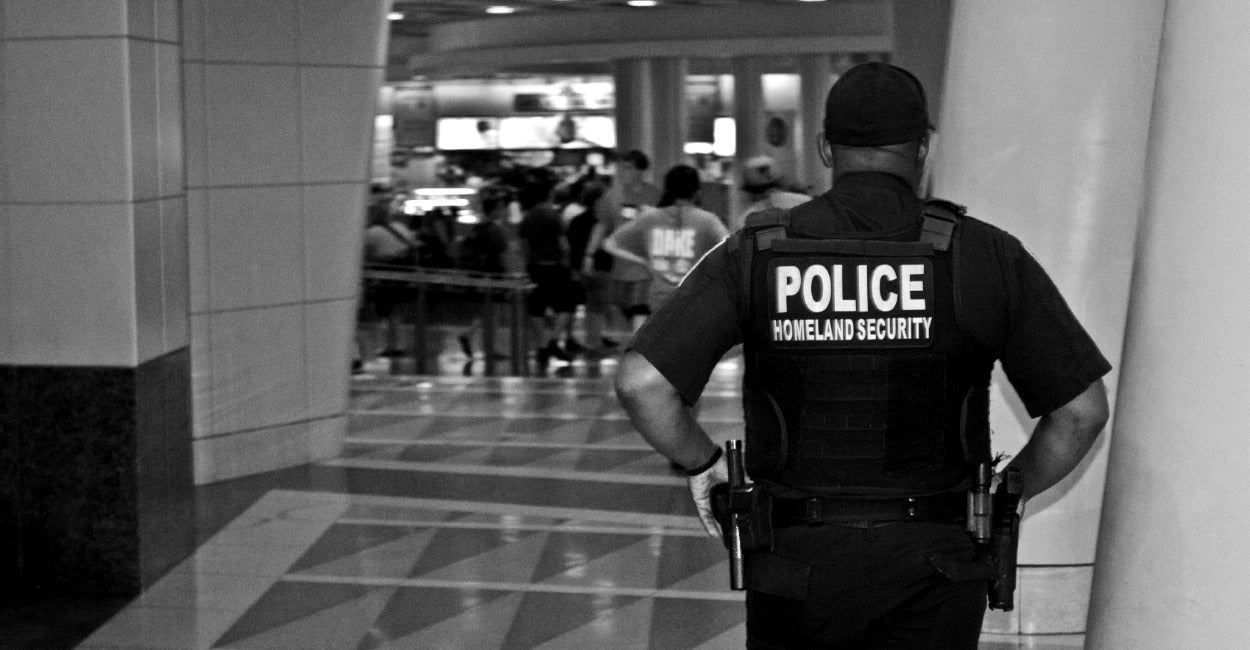
- The U.S. has measures in place to track the movement of radioactive material. Whether it’s at our sea ports or airports, the Department of Homeland Security has both active and passive measures screening for radioactive material.
U.S. nuclear power plants are relatively safe—by instituting a number of security layers, not to mention regularly engaging in assault drills. A dirty bomb would be less of a threat compared to the possibility of terrorists successfully attacking a nuclear facility. The threat of terrorists getting their hands on a radioactive material is certainly real, but security measures within the U.S. make a domestic attack difficult.
TRENDING ARTICLES





Read the first chapter of The Woketopus right now for FREE
Today, even with President Trump’s victory, leftist elites have their tentacles in every aspect of our government.
The Daily Signal’s own Tyler O’Neil exposes this leftist cabal in his new book, The Woketopus: The Dark Money Cabal Manipulating the Federal Government.
In this book, O’Neil reveals how the Left’s NGO apparatus pursues its woke agenda, maneuvering like an octopus by circumventing Congress and entrenching its interests in the federal government.
You can read the first chapter of this new book for FREE in this eBook, The Woketopus: Chapter One using the secure link below.
TRENDING ARTICLES


The Daily Signal depends on the support of readers like you.
RELATED ARTICLES





Don’t miss the

Don’t miss the signal