On Friday, the White House announced that President Obama would remove Russia’s eligibility for the Generalized System of Preferences (GSP), a trade program that gives preferential tariff treatment to developing countries.
The move, which the Administration telegraphed as far back as 2013, is justified under GSP program guidelines that limit participation to only poor countries. Yet it comes at a time when Russia is under heightened international pressure from the West, pressure that earlier this year involved U.S. trade sanctions.
If this move is meant to maintain the geopolitical heat on Russia, then the reality is that it won’t work because the GSP program expired over 14 months ago.
After the GSP expired in July 2013, the preferential tariff rates enjoyed by Russia and the 126 other beneficiary developing countries increased to the same level as most other countries in the world. For the past 14 months, GSP-eligible products from Russia have been imported into the United States under the same tariff rates as most other countries in the world. Removing Russian eligibility for the GSP won’t change this.
U.S. trade policy toward Russia has changed little in the past week: Russian imports aren’t any more expensive, and all the same products that were legal to import last week are still legal to import today. Most important, Russian policymakers and businesses won’t feel any effects. So much for targeted sanctions.
The sad thing is the Administration knows how to make the removal of GSP eligibility more effective: renew and reform the GSP. The GSP cannot be used as a successful foreign policy tool while the program is expired. An effective way to get the Russian business community’s attention would have been to remove eligibility for the program while it was in place. This would have immediately raised tariffs on Russian imports and made them less competitive versus other GSP countries. Nevertheless, simply renewing the GSP is not enough. Over the past 8 years, the volume of imports under the GSP has declined by 40 percent and is currently at a level not seen since the early 1990s. Reforming the program to increase utilization and imports will enhance both the economic impact and leverage that the U.S. has over beneficiary countries.
TRENDING ARTICLES


In the end, all the Administration has to show for this move is a slick press release. The reality is removing Russia from the GSP doesn’t matter right now. Surely the Russians know this. If the U.S. wants to use the GSP as a foreign policy tool, then it must first renew the program.
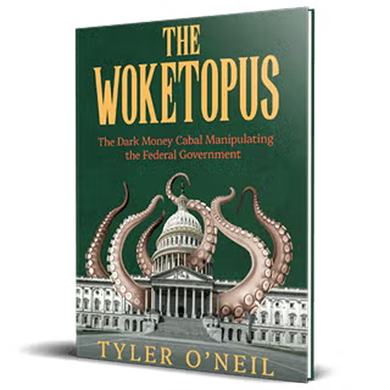
Read the first chapter of The Woketopus right now for FREE
Today, even with President Trump’s victory, leftist elites have their tentacles in every aspect of our government.
The Daily Signal’s own Tyler O’Neil exposes this leftist cabal in his new book, The Woketopus: The Dark Money Cabal Manipulating the Federal Government.
In this book, O’Neil reveals how the Left’s NGO apparatus pursues its woke agenda, maneuvering like an octopus by circumventing Congress and entrenching its interests in the federal government.
You can read the first chapter of this new book for FREE in this eBook, The Woketopus: Chapter One using the secure link below.
TRENDING ARTICLES


The Daily Signal depends on the support of readers like you.
RELATED ARTICLES


Don’t miss the

Don’t miss the signal