Corruption in the small West African nation of Guinea is pervasive. Bribery is an everyday reality, and it is often the key to securing lucrative contracts and business licenses.
It should come as no surprise, then, that the vast majority of Guineans live in poverty, despite the country being rich in natural resources.
In the past few years, however, the Guinean government and other outside actors have taken some encouraging steps to crack down on corruption. In particular, they have made the bidding process for mining concessions more open and transparent.
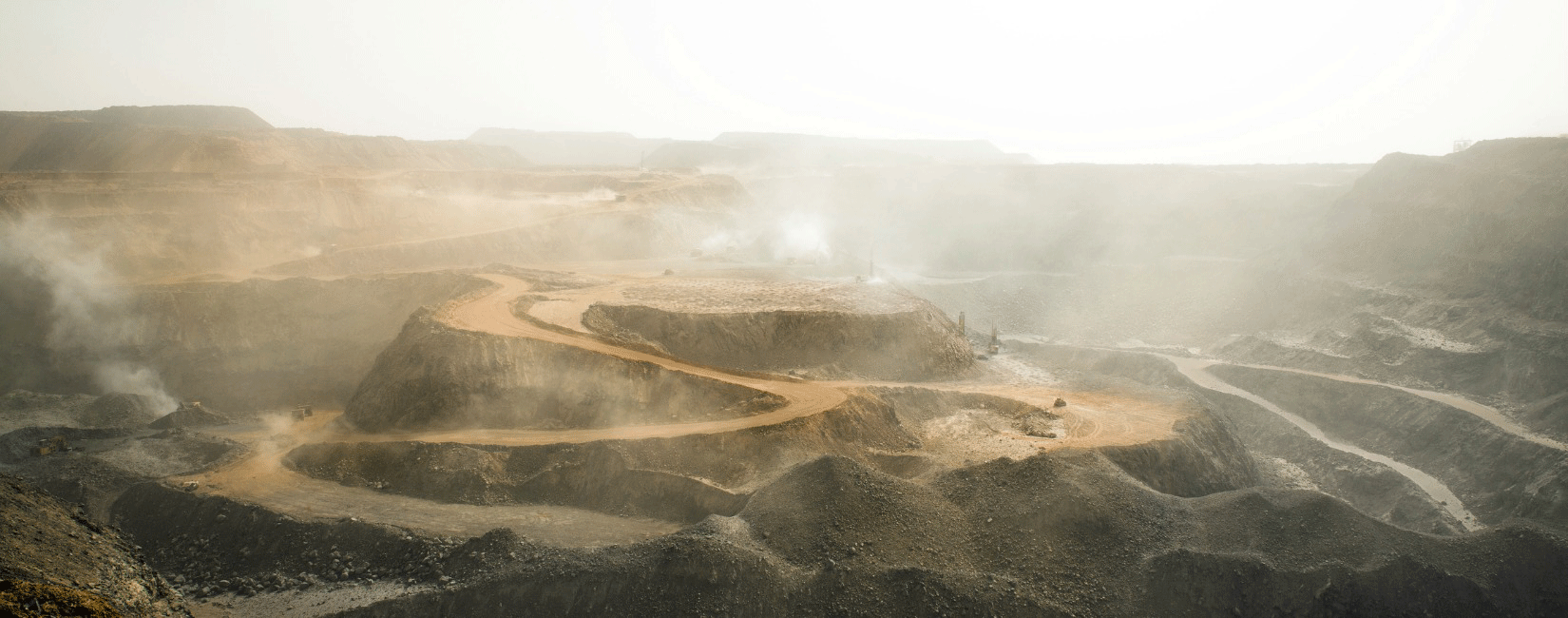
The most notorious bribery scandal in Guinea’s history emerged in recent years when longtime President Lansana Conté awarded BSG Resources—a natural resources and power company—a license to mine an iron ore deposit beneath the Simandou mountains.
This ore deposit is one of the largest in the world. When evidence surfaced in 2014 that BSG Resources had paid a bribe to Conté’s wife in exchange for the license, the government acted by suspending the license.
Then, just this month, Anglo-Australian mining company Rio Tinto announced the dismissal of two senior employees who had been linked to a $10.5 million bribe in relation to the Simandou project.
TRENDING ARTICLES


These dismissals came amid eyebrow-raising reports that a Rio Tinto Group executive had asked a former mining minister “how big a bribe” it would take to beat out a competitor for the hotly contested mining license that had been suspended from BSG Resources and was to be re-awarded.
Several other companies and lenders have vested interests in the Simandou project, including the World Bank. The recent news of Rio Tinto’s involvement in bribery in Guinea, coupled with the continued low global prices for commodities such as iron ore, may have hastened the bank’s decision last month to pull the plug on its involvement.
As The Heritage Foundation’s Index of Economic Freedom has reported, Guinea has consistently performed poorly in the rule of law category over the past several years. Its court system is subject to political interference. Its protection of property rights is weak.
While Guinea’s government made some progress in suspending the mining license of BSG Resources, such progress has too often been two steps forward and one step backward.
The people of Guinea are continuing to suffer the consequences of this systemic corruption. Let’s hope these latest moves to demand more transparency are the first of many reforms to come.
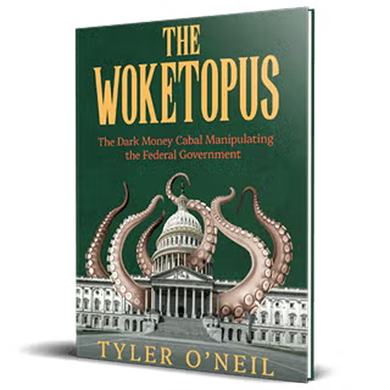
Read the first chapter of The Woketopus right now for FREE
Today, even with President Trump’s victory, leftist elites have their tentacles in every aspect of our government.
The Daily Signal’s own Tyler O’Neil exposes this leftist cabal in his new book, The Woketopus: The Dark Money Cabal Manipulating the Federal Government.
In this book, O’Neil reveals how the Left’s NGO apparatus pursues its woke agenda, maneuvering like an octopus by circumventing Congress and entrenching its interests in the federal government.
You can read the first chapter of this new book for FREE in this eBook, The Woketopus: Chapter One using the secure link below.
TRENDING ARTICLES


The Daily Signal depends on the support of readers like you.
RELATED ARTICLES





Don’t miss the

Don’t miss the signal