Today, the second meeting of government experts for the U.N. “Programme of Action on Small Arms and Light Weapons” wraps up in New York.
In theory, the PoA, as it is known, is about controlling international arms smuggling. In practice, a lot of nations want to make it about gun control. So far, the U.S. has fought a good fight. But the rough draft of the chairman’s report, which I’ve just seen, makes it clear there’s more to do.
Three parts of the draft report are particularly bad:
1. One of the subjects under discussion this past week has been the supposed rise of 3D-printed guns. In reality, this isn’t even a first world problem. But the draft report suggests that “consideration of regulations on 3D printers may be required.” This idea was raised in debate by a number of nations, including China. The U.S. regulates the manufacture of firearms; it does not, and should not, require a government license to own a 3D printer.
2. Another theme of the past week has been that governments should start using technologies such as radio-frequency ID chips (like the ones in key cards) to inventory and track firearms. These chips are easily defeated by nuking a gun in a microwave for a few seconds, so this isn’t a technology that will deter anyone with an ounce of determination. But the draft report suggests the application of radio-frequency ID chips “to civilian-owned weapons could be a possibility in the future for those States which wished to use it.” The Programme of Action is supposed to be about stopping international arms trafficking, not about encouraging highly intrusive forms of civilian gun control.
3. Invariably, a good bit of the meeting has revolved around demands from developing countries for more foreign aid. If other nations want to give money on a bilateral basis, that’s their business. But the draft report suggests that aid be made part of the UN regular budget, of which the U.S. pays 22 percent. That’s a bad idea, both because it would put the U.S. on the hook, and because, once they’re part of the UN regular budget, the cost of the aid programs would skyrocket and their quality would collapse.
TRENDING ARTICLES


I’m confident the U.S. delegation won’t let these problems slide by without a protest. We’ll know by later today whether the protest has worked – and whether any other problems materialize in the final report. But it goes to show that, unfortunately for the U.S., success at these sort of meetings comes down to ensuring they do no harm, because they are extremely unlikely to do anything good.

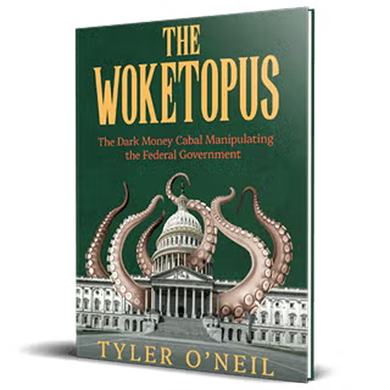
Read the first chapter of The Woketopus right now for FREE
Today, even with President Trump’s victory, leftist elites have their tentacles in every aspect of our government.
The Daily Signal’s own Tyler O’Neil exposes this leftist cabal in his new book, The Woketopus: The Dark Money Cabal Manipulating the Federal Government.
In this book, O’Neil reveals how the Left’s NGO apparatus pursues its woke agenda, maneuvering like an octopus by circumventing Congress and entrenching its interests in the federal government.
You can read the first chapter of this new book for FREE in this eBook, The Woketopus: Chapter One using the secure link below.
TRENDING ARTICLES


The Daily Signal depends on the support of readers like you.
RELATED ARTICLES




Don’t miss the

Don’t miss the signal