Some economic indicators, including the short-term unemployment rate, have recovered to levels associated with “normal times.” But long-term unemployment remains high: Almost 2 percent of the labor force is unemployed and has been so for at least six months.
The persistence of long-run unemployment in 2014 is something of a surprise. Many economists, myself included, expected that the expiration of long-term unemployment benefits at the end of 2013 would sharply lower the long-term unemployment rate. Instead, the rate has continued its slow, steady decline. And it has not declined more than the rise in vacancies would have suggested. (To be sure, unemployment benefits may depress vacancy postings as well as search effort, so this does not prove that the extended unemployment benefits and their expiration had no effects.)
The Beveridge Curve is a visual relationship between unemployment and job vacancies. As Northeastern University’s Rand Ghayad and Bill Dickens first showed, the Beveridge Curve for the long-term unemployed has shifted sharply since the beginning of the recession. The shift shows that the job market for the long-term unemployed is uniquely bad–despite research finding less stigma attached to long-term unemployment when the misfortune is widely shared.
The updated Beveridge Curve for long-run unemployment, shown above, illustrates a puzzle. What has caused the persistent rise in long-run unemployment? Why has it not fallen as much as the increase in job vacancies would suggest it should have?
The extension of unemployment benefits does not appear to be the answer. Nor is it merely a holdover from the Great Recession: Few of the long-term unemployed report being out of work for more than two years. The majority are still in their first year of joblessness.
Economists have not yet found convincing explanations for the persistent rise in long-term unemployment. Most economists agree that multi-year unemployment spells have permanent negative effects on workers’ productivity and pay, in addition to their happiness. The problem is worth studying.
TRENDING ARTICLES



Originally appeared on WSJ.com.

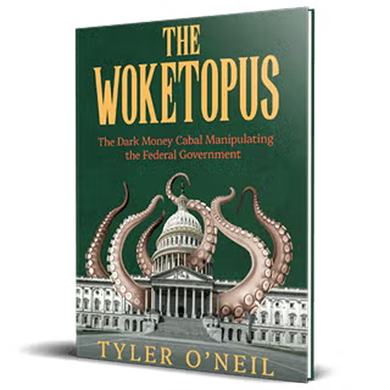
Read the first chapter of The Woketopus right now for FREE
Today, even with President Trump’s victory, leftist elites have their tentacles in every aspect of our government.
The Daily Signal’s own Tyler O’Neil exposes this leftist cabal in his new book, The Woketopus: The Dark Money Cabal Manipulating the Federal Government.
In this book, O’Neil reveals how the Left’s NGO apparatus pursues its woke agenda, maneuvering like an octopus by circumventing Congress and entrenching its interests in the federal government.
You can read the first chapter of this new book for FREE in this eBook, The Woketopus: Chapter One using the secure link below.


The Daily Signal depends on the support of readers like you.
RELATED ARTICLES





Don’t miss the

Don’t miss the signal