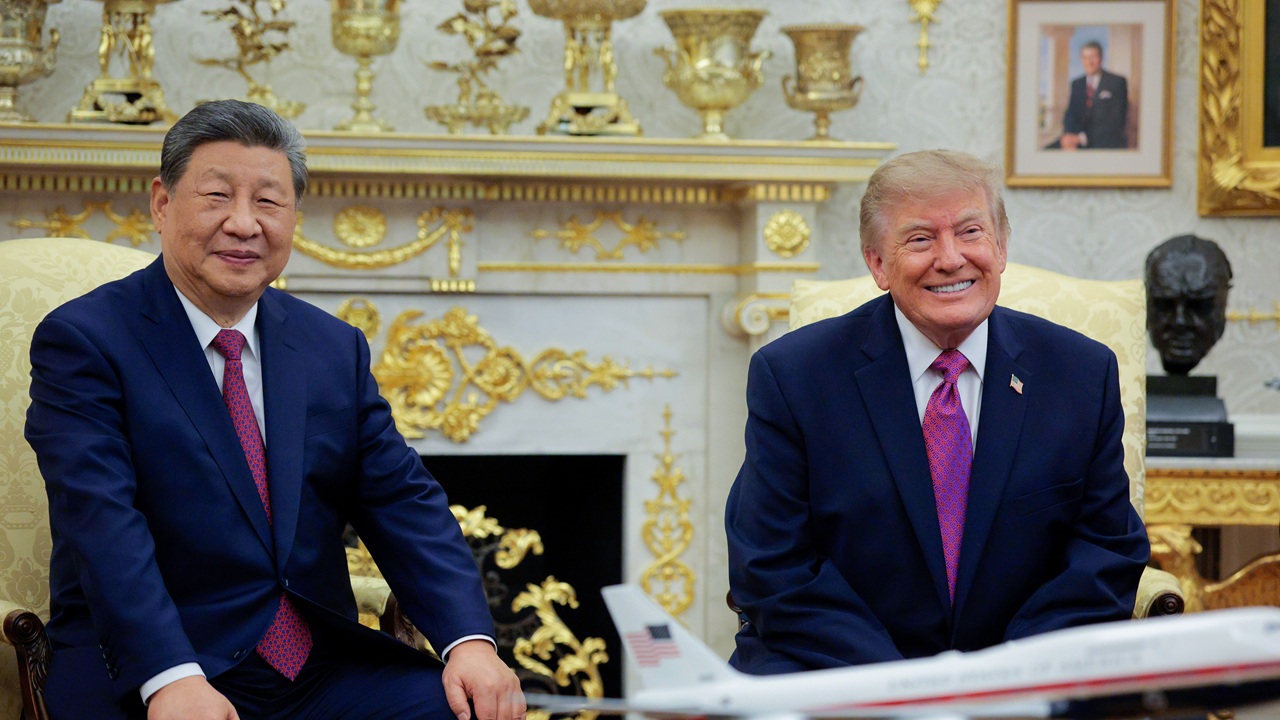
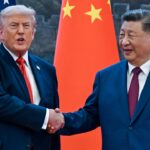
Last week, President Donald Trump hosted Chinese leader Xi Jinping in Washington, D.C. While the meeting featured considerable pageantry, including a state dinner and displays of American history, the real meat of the summit came from its deliverables. The summit appears to have met expectations, safeguarding American interests and offering no concessions on important U.S. interests.
According to the White House fact sheet released after the summit, the U.S. and China announced multiple outcomes covering trade, artificial intelligence, and future interactions. Economic examples include tariff reductions on up to $60 billion in nonsensitive goods, such as home goods and agricultural commodities, and a Chinese commitment to purchase 10 million metric tons of U.S. coal in both 2027 and 2028.
Both countries also agreed to establish the U.S.-China Super Intelligence Dialogue to maintain an open line of communication on the development and potential risks of AI. A notable outcome, announced before the summit, was an extension of the trade truce from November 2026 to January 2027, which keeps the current pause on higher tariffs and rare earth controls in place.
The two leaders also announced intentions to meet twice more this year. Trump is set to visit China for the November 2026 Asia-Pacific Economic Cooperation summit in Shenzhen, while Xi will return to the United States in December 2026 for the G20 summit in Florida. The leaders also discussed Iran, Russia, North Korea, and arms control. And in a diplomatic gesture, Xi announced that two pandas would be sent to the Atlanta Zoo.
At the same time, the White House fact sheet made clear that the U.S. is closely tracking Chinese implementation of its prior commitments. For example, the fact sheet details ongoing cooperation on countering fentanyl flows to the United States, an area in which Washington continues to press Beijing to take stronger action. The White House also noted that the two countries continue to address concerns about China’s weaponization of rare earth supply chains.
All told, Americans can view the summit as a maintenance check on the U.S.-China relationship, rather than a meeting that fundamentally changed the course of bilateral relations. In other words, the summit was high on pageantry but low on substance, producing no breakthroughs on the tough issues that define the relationship.
TRENDING ARTICLES



This outcome, however, was expected. The summit’s deliverables reflect the ongoing U.S.-China rivalry, in which diplomatic interactions can only mask so much of the deep mistrust between the two countries. For example, the trade truce’s extension of only two months, far short of China’s requested two-year extension, shows that the U.S. is not satisfied with China’s follow-through on its commitments and seeks to maintain pressure on Beijing to uphold its end of the deal.
In practice, this means that U.S.-China relations will continue to operate with a steady floor that allows for ongoing communication and reduced risk of escalation or conflict. At the same time, the relationship is constrained by a low and firm ceiling under which major disputes over trade, Taiwan, and technology cannot be easily resolved—if at all.
From this angle, the Trump administration correctly stood firm against Xi’s request that the U.S. align itself more closely with China’s position on Taiwan, and it also correctly kept export controls off the negotiating table.
With the leaders set to meet again in just two months, there will be more opportunities for the U.S. and China to address their ongoing disputes. If the Trump administration continues to safeguard American leverage and strategic advantages while holding China accountable for fulfilling its past commitments, it can be confident that its China policy is truly putting America first.

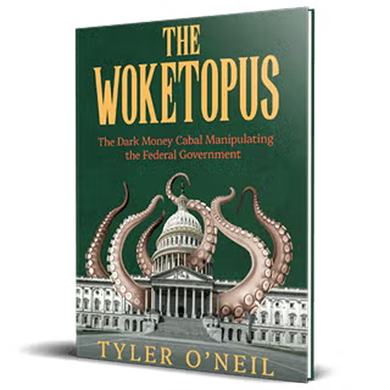
Read the first chapter of The Woketopus right now for FREE
Today, even with President Trump’s victory, leftist elites have their tentacles in every aspect of our government.
The Daily Signal’s own Tyler O’Neil exposes this leftist cabal in his new book, The Woketopus: The Dark Money Cabal Manipulating the Federal Government.
In this book, O’Neil reveals how the Left’s NGO apparatus pursues its woke agenda, maneuvering like an octopus by circumventing Congress and entrenching its interests in the federal government.
You can read the first chapter of this new book for FREE in this eBook, The Woketopus: Chapter One using the secure link below.
TRENDING ARTICLES


The Daily Signal depends on the support of readers like you.
RELATED ARTICLES



Don’t miss the

Don’t miss the signal