Americans should not have to surrender their constitutional freedoms to partner with a government program. Churches that receive federal grants should not have to hide their crosses. Religious charities should not have to secularize their missions. And citizens should not face higher fees to speak on public property simply because officials dislike their political or religious views.
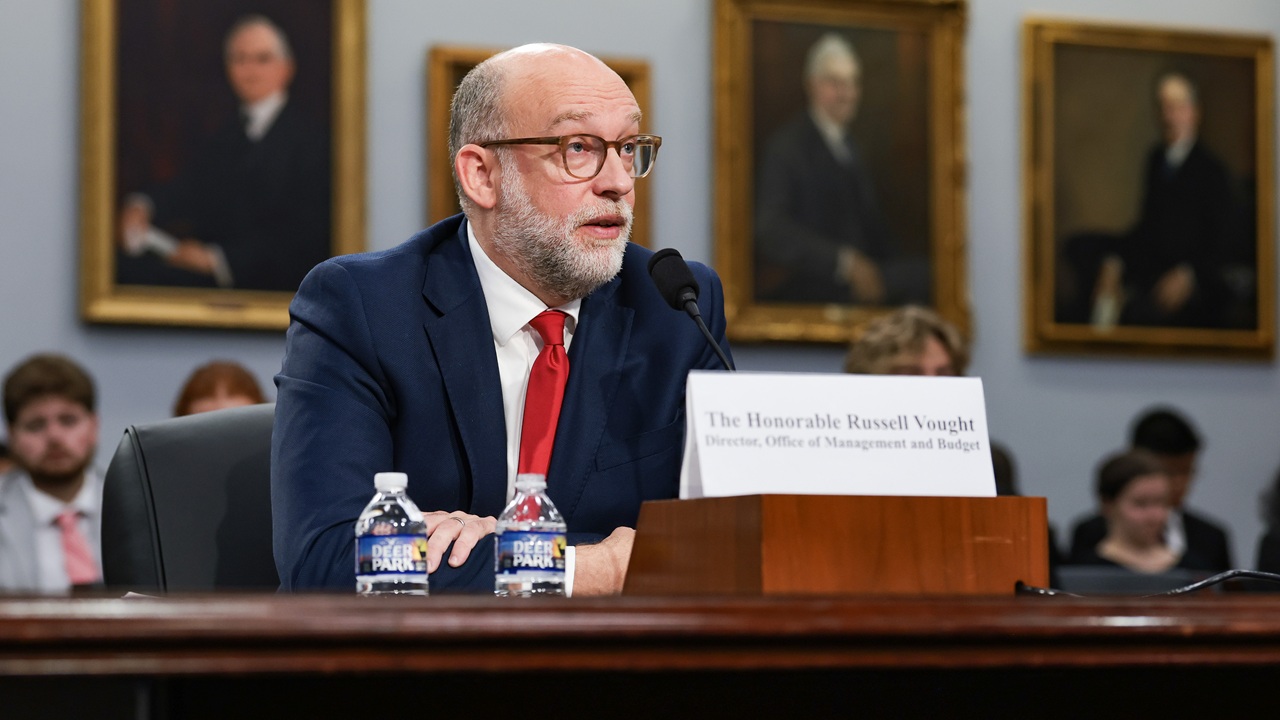
The Office of Management and Budget’s proposed overhaul of rules governing federal grants recognizes these basic principles. It is an important effort to ensure that federal funds are administered according to law, used for the purposes Congress authorized, and distributed without unlawful discrimination.
The proposed rule would establish uniform, government-wide standards for grants and other forms of federal financial assistance. Among other reforms, it directs agencies to administer awards in accordance with the Constitution and federal laws protecting free speech, religious liberty, and rights of conscience. It reinforces that faith-based organizations that do the same work as secular organizations should not be treated as second-class.
Religious organizations operate schools, hospitals, shelters, food banks, adoption ministries, and addiction recovery programs. The government should judge them based on whether they can perform the work, not based on whether a bureaucrat approves of their theology.
The Supreme Court has repeatedly held that government may not exclude an organization from an otherwise available public benefit simply because it is religious. The Constitution also protects the independence of religious institutions in matters of faith, mission, internal governance, and the selection of people who carry out those religious functions.
The proposed rule also prohibits federally funded venues such as public universities from imposing extra security charges, insurance requirements, or “heckler’s fees” on speakers with unpopular views. A public institution should not be able to make religious or conservative speech more expensive because officials anticipate protests.
TRENDING ARTICLES



OMB’s proposal moves federal grant policy in the right direction by ensuring that federal agencies (as well as state agencies or other organizations that direct federal funding) understand the constitutional requirement that religious people and faith-based organizations be treated fairly. But some of its strongest protections in the proposed rule appear only in the rule’s explanatory preamble. As The Heritage Foundation’s comment to the rule explains, those principles should be placed in the regulatory text itself.
First, OMB should incorporate the religious liberty framework that nine federal agencies adopted in 2020. That framework made clear that faith-based organizations may compete equally for federal assistance while retaining their religious identity and autonomy.
A religious charity does not become an arm of the government merely because it receives a grant. It remains free to use a religious name, display religious symbols, include religious language in its governing documents, and select leaders who share its beliefs.
OMB should also ensure that its restriction on venue discrimination against unpopular viewpoints is not misread to require a private organization to host an event that contradicts its beliefs or deliver a message it cannot endorse. That would turn a free-speech protection into a compelled speech mandate. Thankfully, the proposed rule does not attempt to do so, but Heritage has suggested additional language to make that distinction even clearer.
The final rule should be clearer about the traditional distinction between direct funding, where the federal government gives an award directly to an organization, and indirect funding, like vouchers, where the ultimate beneficiary of the federal award is free to select the provider of federally funded services that best suits that individual’s needs.
Finally, the proposed rule follows federal law in prohibiting funding of abortions, but it should track Congress’ language in the Hyde Amendment carefully to ensure that the restrictions on abortion funding that Congress established are not changed or unintentionally watered down in the regulation.
OMB’s proposed rule is a strong and necessary course correction. With these careful revisions, it can establish a durable principle across the federal government: Religious organizations do not become second-class citizens when they partner with government to serve the public. They remain entitled to the Constitution’s full protection.
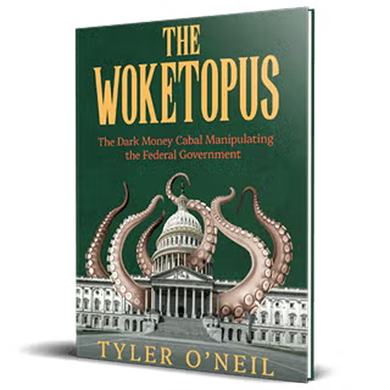
Read the first chapter of The Woketopus right now for FREE
Today, even with President Trump’s victory, leftist elites have their tentacles in every aspect of our government.
The Daily Signal’s own Tyler O’Neil exposes this leftist cabal in his new book, The Woketopus: The Dark Money Cabal Manipulating the Federal Government.
In this book, O’Neil reveals how the Left’s NGO apparatus pursues its woke agenda, maneuvering like an octopus by circumventing Congress and entrenching its interests in the federal government.
You can read the first chapter of this new book for FREE in this eBook, The Woketopus: Chapter One using the secure link below.
TRENDING ARTICLES


The Daily Signal depends on the support of readers like you.
RELATED ARTICLES





Don’t miss the

Don’t miss the signal