
‘Racial Discrimination, Pure and Simple’: Trump Administration Challenges Reparations Plan in Illinois
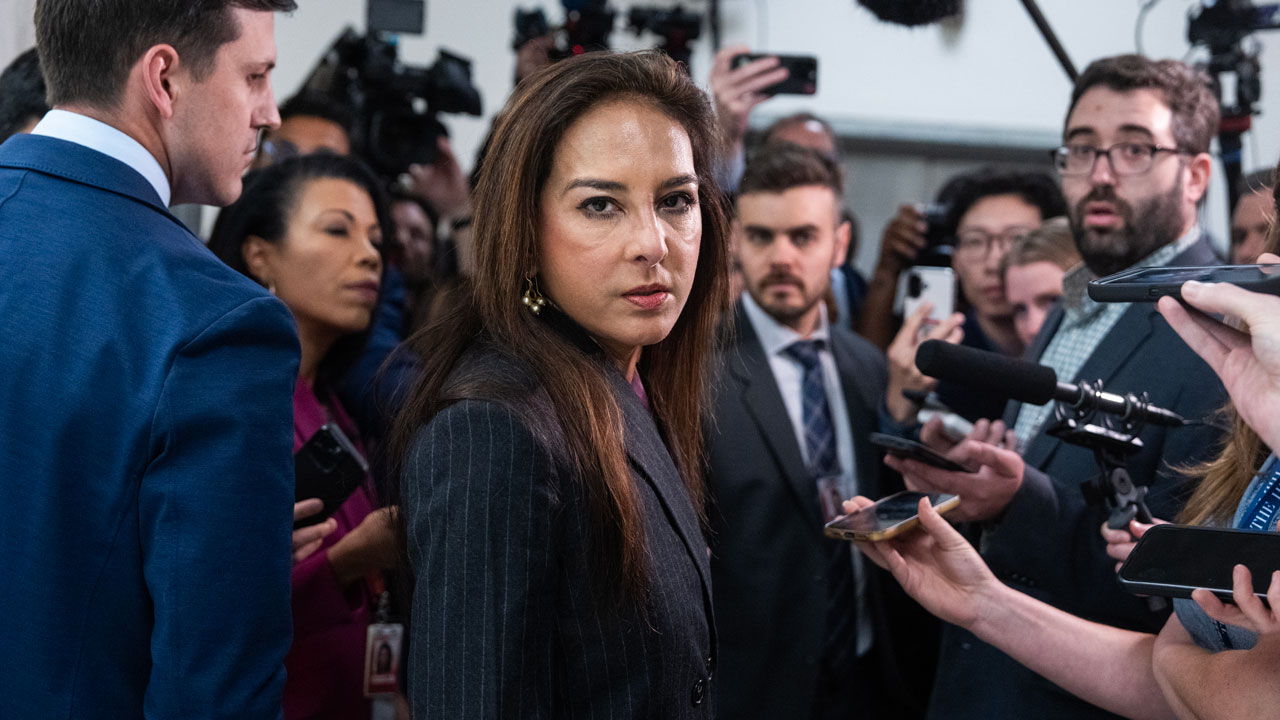
The Trump administration has struck another blow against DEI, this time issuing a lawsuit against a “first of its kind” racial reparations program in Illinois.
In 2019, the city of Evanston, Illinois, approved a “Local Reparations Restorative Housing Program” that was set to hand out tens of millions of dollars to residents—or the descendants of residents—who had allegedly been discriminated against.
What’s notable, and suable, about the Evanston reparations program is that the awardees of cash payments from the city government didn’t have to prove that harm was caused to them or their ancestors.
Instead, eligible recipients have been limited to black adults who lived in the city between 1919 and 1969, along with their children, grandchildren, or great-grandchildren.
The Department of Justice noted that the “city has not identified any specific acts of discrimination that violated the constitution or a statute that these payments are intended to remedy.”
The program went into effect in 2021, the height of the Great Awokening, and has distributed a considerable amount of money.
TRENDING ARTICLES



“The city has already distributed over $7 million using revenue from a local tax on legal marijuana sales—to hundreds of people in $25,000 increments to be used for home repairs, down payments on property, and interest or late penalties on property in the city,” The Associated Press reported.
A group of white residents who descended from those who lived in the city between 1919 and 1969 filed a lawsuit in 2024 that the city tried to have dismissed. After the city blocked a federal investigation into the matter, the Department of Justice intervened and is challenging the program under the equal protection clause of the Constitution’s 14th Amendment.
Assistant Attorney General for Civil Rights at the U.S. Department of Justice Harmeet Dhillon said in a statement that there are “sound ways for a city to remedy past discrimination,” but that this program was “racial discrimination, pure and simple,” and was simply “illegal.”
There’s a lot to unpack in this story, which has wider implications for the racial reparations movement.
Unlike other successful reparations cases in the past, this one is based on vague historical grievances rather than direct claims of actual harm. It’s very much in line with the DEI craze that poisoned so many institutions in the past decade.
What Evanston’s plan amounts to is a kind of upside-down racial aristocracy. In the old days in the Old World, members of the aristocracy were often both free from taxation and the beneficiaries of stipends from the government just for existing.
That’s essentially what this is except that instead of claiming hereditary privilege from exploits—real or imagined—of ancestors, one now may claim oppression privilege—real or imagined—from ancestors.
Thus, any pretense to equality under the law is obliterated.
It’s worth noting that those receiving the cash payments in Evanston don’t even have to show current economic hardship or deprivation. Wealthy black residents can now gain access to a program that is denied to poor residents of different racial groups.
Is this charity, a lifeline to those in need with a legal grievance against their government, or simply a racial spoils system?
According to The Associated Press, one of the pioneers of the Evanston program, Robin Rue Simmons, pointed to “redlining” and other financial practices that affected black Americans in the past, preventing them from acquiring home loans. However, she didn’t point to specific cases in the city that needed to be remedied.
The truth is that redlining did exist in America, but it was a broader phenomenon that often affected poor whites and other people who were intentionally kept out of affluent neighborhoods.
Why wouldn’t their descendants now be financially rewarded too?
The problem with the modern racial reparations movement is that it’s grounded in flimsy and ultimately toxic ideology that reached its zenith in the early years of President Joe Biden.
The argument being shouted by nearly every prominent institution, nearly every legacy media outlet, nearly every corporate entity, was that the United States was uniquely and structurally racist, especially toward black Americans. To correct for the nation’s entire racist, unjust history discrimination was needed to fight discrimination. Colorblindness, even in terms of the law, was construed as racism.
And so, you got broad efforts to create racial reparations, to discriminate in hiring to create politically correct outcomes, and a whole host of other policies that certainly straddled the line of illegality.
The elite cultural winds were so strong for this movement that all save a few lonely voices were willing to draw a line and resist this madness.
But the tide has turned, at least for now.
Many cities have quietly dropped their push for reparations, no doubt in large part due to threats of lawsuits from the Trump administration.
Some city and state leaders may even be breathing a sigh of relief that they got away with merely virtue signaling. Many of the proposed reparations programs were a fast ticket to fiscal insolvency.
A proposal put forward in 2023 by San Francisco’s African American Reparations Advisory Committee suggested giving every black resident $5 million among a grab bag of other privileges. The minimum cost of just that single payment to the current black San Francisco residents at that time was estimated by the Hoover Institute to be “about $175 billion,” more than half the current budget of California.
So, the legal, cultural, and fiscal headwinds are against racial reparations. Does that mean the issue is dead?
No.
Rep. Ayanna Pressley, D-Mass., and soon to be former Rep. Al Green, D-Texas, called for Democrats in Congress to prioritize reparations.
And with far-left mayors taking over major cities, it would be a mistake to think that the issue is simply dead.
We’ve had a brief, sober moment of common sense on the reparation issue. But don’t count on the lunacy—or the dream of sponging a few more dollars from taxpayers to pay supporters—going away any time soon.

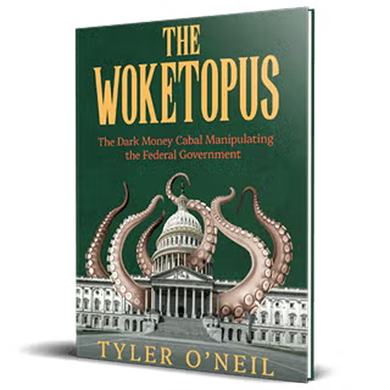
Read the first chapter of The Woketopus right now for FREE
Today, even with President Trump’s victory, leftist elites have their tentacles in every aspect of our government.
The Daily Signal’s own Tyler O’Neil exposes this leftist cabal in his new book, The Woketopus: The Dark Money Cabal Manipulating the Federal Government.
In this book, O’Neil reveals how the Left’s NGO apparatus pursues its woke agenda, maneuvering like an octopus by circumventing Congress and entrenching its interests in the federal government.
You can read the first chapter of this new book for FREE in this eBook, The Woketopus: Chapter One using the secure link below.



The Daily Signal depends on the support of readers like you.
RELATED ARTICLES




Don’t miss the

Don’t miss the signal