
Americans Shouldn’t Pay the Price for Crypto Billionaires’ Political Influence
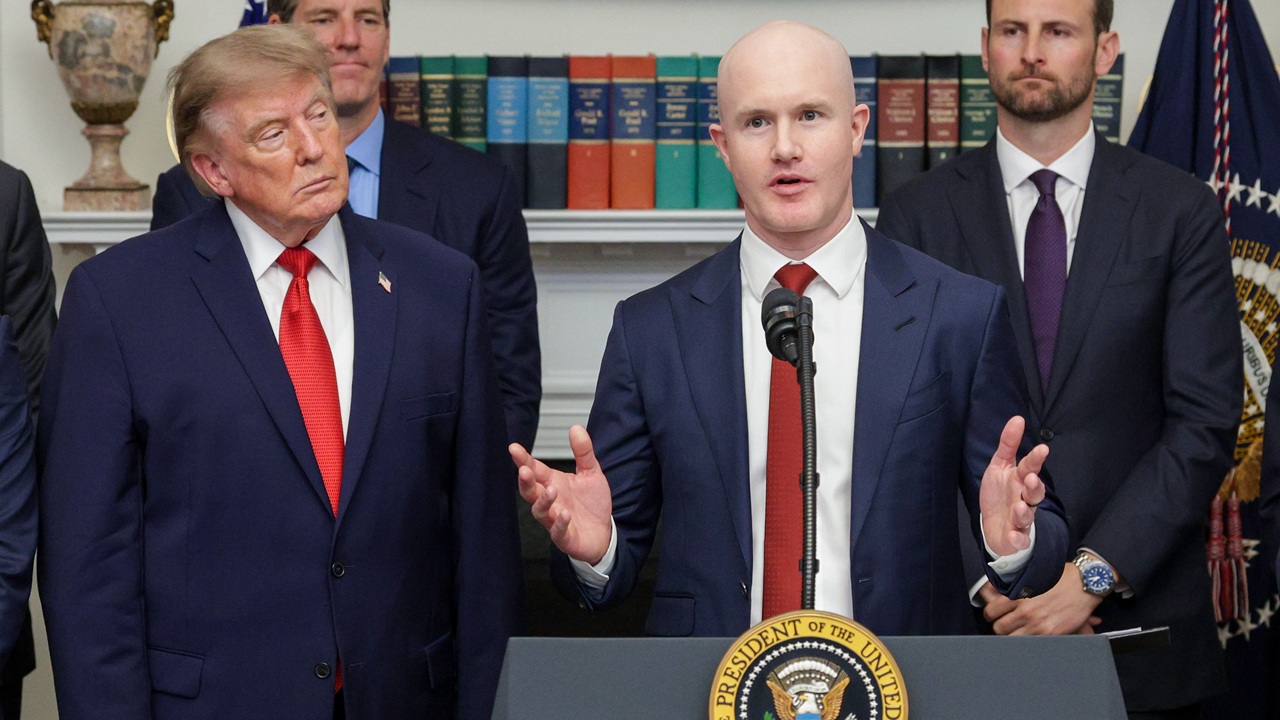
Billions of dollars gone. That is the staggering scale of cryptocurrency-related losses reported by Americans.
According to the FBI, cryptocurrency-related complaints accounted for more than $9 billion in reported losses in 2024 alone. And as ordinary American victims struggle to recover, some of the wealthiest players in crypto are pouring enormous resources into Washington politics and lobbying for the rules that will govern their own industry.
This is audacious. After spectacular scandals, fraud prosecutions, and enormous consumer losses, Washington is being asked to trust that the industry’s preferred rules will serve Americans.
The question lawmakers must answer is this: Would these rules protect Americans’ money, or would they merely protect the political influence of people who already have plenty of it?
To be clear, legitimate cryptocurrency businesses are not the same as criminals who use digital assets to defraud people. Blockchain innovation can create real opportunities, and America should lead in responsible financial technology.
But innovation is not a blank check; accountability is essential.
TRENDING ARTICLES


Look at Sam Bankman-Fried, the disgraced founder of cryptocurrency exchange company FTX. Bankman-Fried cultivated political influence, but his empire unraveled into one of the most notorious financial fraud cases in recent American history. He was convicted of fraud and conspiracy and sentenced to 25 years in prison.
The proposed CLARITY Act has become a flashpoint. Supporters say it would create long-overdue regulatory certainty for digital assets. Critics question whether it sufficiently addresses investor protections, conflicts of interest, and opportunities for regulatory arbitrage. Those concerns deserve a serious hearing.
Businesses and lawmakers have long argued that regulators under the Obama and Biden administrations used federal authority in ways that disadvantaged politically disfavored industries, including energy and some financial businesses. Those claims must be assessed on the evidence. The governing principle, however, should be uncontroversial: The federal government must not punish people (or their businesses) because of political beliefs.
The answer to alleged political favoritism in one administration cannot be a new version of favoritism under another. Replacing one set of insiders with another is hardly healthy reform.
Now Big Tech, financial technology, artificial intelligence companies, and financial institutions are all competing to shape Washington’s next generation of rules.
Companies are entitled to advocate for their interests, but Americans are equally entitled to ask whether the resulting rules protect competition and consumers or merely entrench the largest players.
When a giant technology company asks for regulations that smaller rivals cannot afford to comply with, lawmakers should carefully examine the merits of the proposed regulation. When a financial platform seeks exemptions from oversight, lawmakers should consider who bears the risk. And when any industry spends lavishly to influence legislation, lawmakers should demand transparency about the impact of what the industry wants in return.
Lawmakers should never forget that most voters care far less about regulatory carve-outs than they do about the cost of living, small-business growth, American manufacturing, and their own families’ financial security.
To put it simply, America First cannot mean special interests first.
With midterm elections approaching, the pressure to cave to those with deep pockets intensifies. The public deserves well-designed rules that outlast election cycles.
The Trump administration and Congress should see the present moment as an opportunity. They can work to establish durable guardrails such as meaningful fraud enforcement, transparent rulemaking, fair access to banking, protections against political discrimination, and clear standards for emerging technologies. Their goal should be a regulatory system that cannot easily be turned against political opponents or captured by wealthy incumbents.
Americans who lost their savings to cryptocurrency scams do not need another slick lobbying campaign. They need honest disclosures, enforceable laws, and genuine consequences for people who steal.
And the rest of us need a government that remembers whom it serves.
The White House belongs to the American people—not crypto billionaires, Silicon Valley boardrooms, Wall Street dealmakers, or lobbyists.
No industry gets to buy the public interest. Not before the midterms, not after the midterms, not ever.
We publish a variety of perspectives. Nothing written here is to be construed as representing the views of the Daily Signal.
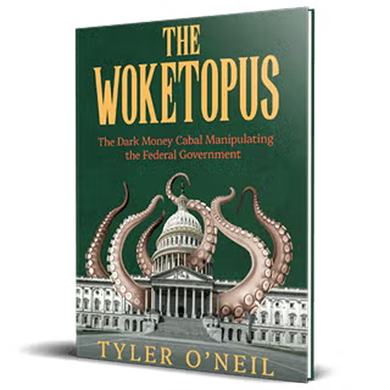
Read the first chapter of The Woketopus right now for FREE
Today, even with President Trump’s victory, leftist elites have their tentacles in every aspect of our government.
The Daily Signal’s own Tyler O’Neil exposes this leftist cabal in his new book, The Woketopus: The Dark Money Cabal Manipulating the Federal Government.
In this book, O’Neil reveals how the Left’s NGO apparatus pursues its woke agenda, maneuvering like an octopus by circumventing Congress and entrenching its interests in the federal government.
You can read the first chapter of this new book for FREE in this eBook, The Woketopus: Chapter One using the secure link below.




The Daily Signal depends on the support of readers like you.
RELATED ARTICLES





Don’t miss the

Don’t miss the signal