
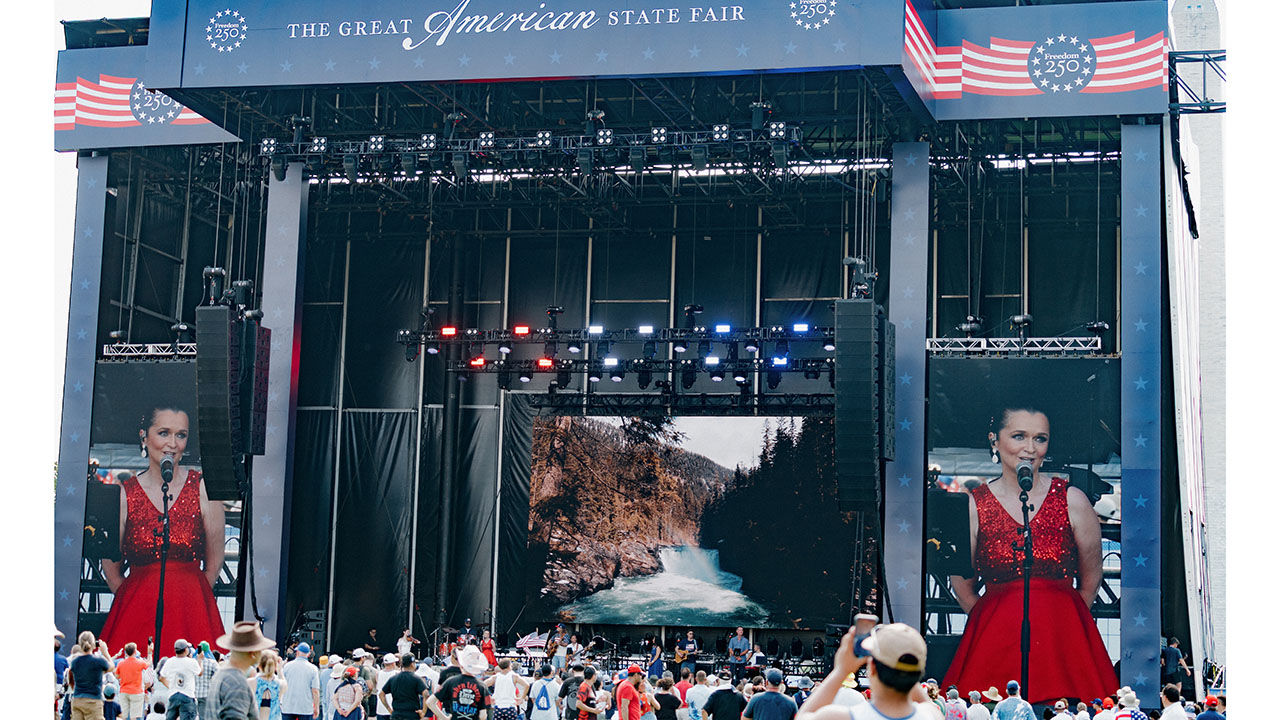
On this Independence Day, by invitation of the White House Task Force 250, I will stand on the main stage of the Great American State Fair to lead a National Mall crowd in a one-hour program of music and prayers for our nation.
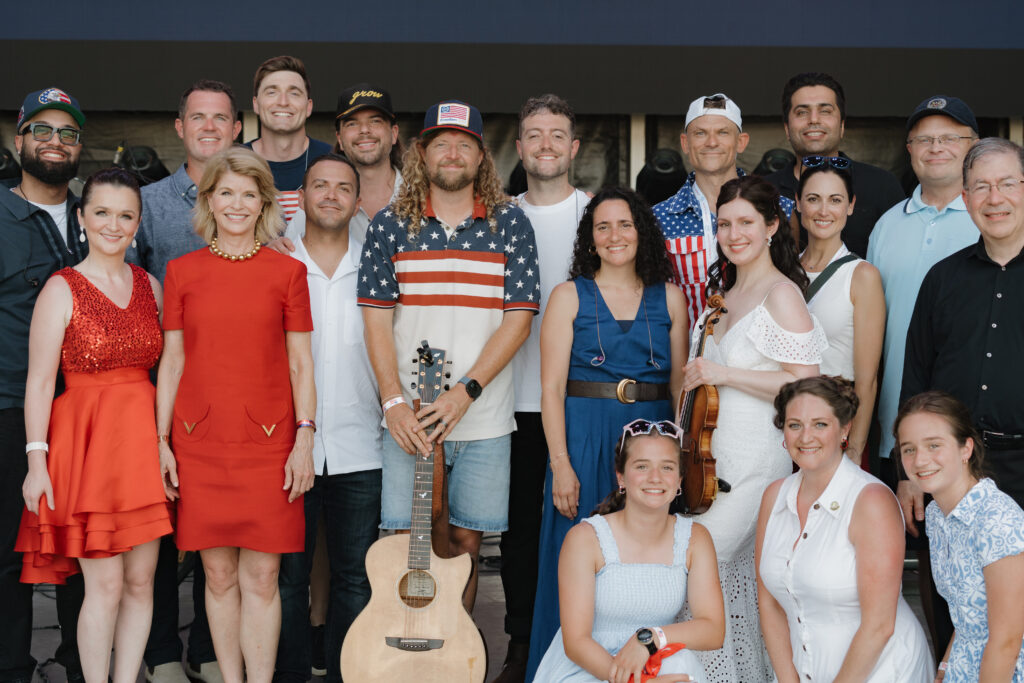
This exciting moment marking 250 years of American independence was unimaginable for me, a woman whose childhood Adverse Childhood Experiences (ACE) score—a test used by courts in custody cases—is 8 out of 10. I am in roughly the top 1% of American childhood adversity, enduring physical, emotional, sexual, and mental abuse. From this, several of my 7 biological siblings attempted suicide, and I struggled with severe depression, PTSD, and anxiety—including multiple hospitalizations.
My father died on Monday this week. Dad was a talented music professor and former protégé of guitar legend Andrés Segovia. He taught me to sing, bought my first violin, and taught me piano—starting around age 4. Dad introduced me to the timeless beauty of Bach, Beethoven, and Mozart.
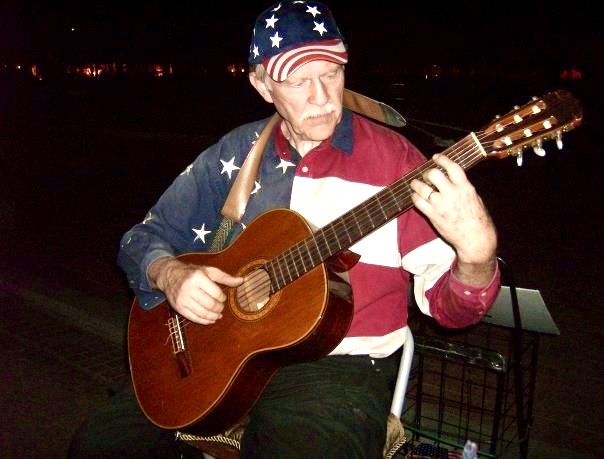
But Dad was molested by a babysitter as a child, never recovering. He became a violent, mentally ill man who believed he was a modern-day prophet and subjected our family of 10 to instability, fear, and traumas I have shared publicly.
What My Father Gave—and Took
Both of those histories are true; I have spent decades learning to hold them in paradox. That tension—between perpetrators’ harm and the gifts they nonetheless transmit—is, in miniature, the same tension America confronts at 250. We are a nation founded on self-evident truths by men who did not live them. We expanded liberty each generation while failing, sometimes catastrophically, those we claimed to protect.
For some, America’s current temptation is to either burn the inheritance down or whitewash its flaws. Neither posture serves us. The more noble work is to grieve what was broken while receiving its goodness and restoration.
TRENDING ARTICLES



I learned this from my family long before I applied it to my country. My father’s abuse cost my siblings and me nearly everything. I do not diminish his harm for the sake of a tidy redemption arc.
Yet when I sing patriotic hymns on July 4, the breath support, phrasing, and instinct for the emotional center of a melody—that came from Dad, cultivated across years of training. He gave me, amid wrenching damage, an inheritance that enriches my life: music as a vessel for the beautiful and holy ideals of America’s founding.
Holding Pain and Inheritance Together
This is a quintessential American capacity—honoring an imperfect inheritance without erasing its history. We practice it with our Founders, who constructed a framework for liberty while many of them embraced the evil practice of slavery. We practice it with our institutions, which extended rights and dignity through generations of struggle even as they betrayed others. We practice it within our own families, which rarely arrive as clean stories of villains and heroes.
Efforts like the 1619 Project go further than honest reckoning—they seek to recast the American founding as irredeemably corrupt, its ideals mere cover for exploitation and documents unworthy of reverence. That is not history; it is a prosecutorial brief dressed as scholarship.
Our founding documents did not cause slavery; they eventually helped end it.
Generations of Americans—many of them enslaved or excluded—appealed to America’s promises as their own and used them to demand what the Founders failed to deliver. To discard those promises because the men who wrote them were hypocrites is to punish the ideals for the failures of the men and to leave the most vulnerable Americans hopeless.
A nation that cannot distinguish between acknowledging its sins and repudiating its founding principles has lost its truthful core.
A Patriotism Worth Singing About
Forgiveness, I have learned, is not the same as excusing. It is stopping someone else’s worst chapter from writing the rest of your story. America is engaged in this reckoning right now—across race, region, and generation—and the outcome is not certain. What is certain is that the alternative—complete rejection of anything tainted by failure—leaves nothing to build on. Every institution, nation, family, and person (myself included) is tainted by sin. The question is what we choose to promote and transmit.
When I lead the crowd on the Mall in “America the Beautiful” and “Amazing Grace,” I will be standing on a stage made possible by the musical gifts my father cultivated in me on a birthday celebrating the quest for a more perfect union.
That is patriotism worth singing about: not blind celebration, not cynical dismissal, but the harder work of holding a legacy—a family’s, a nation’s—and choosing, with clear eyes, to honor what is good, true, and beautiful.

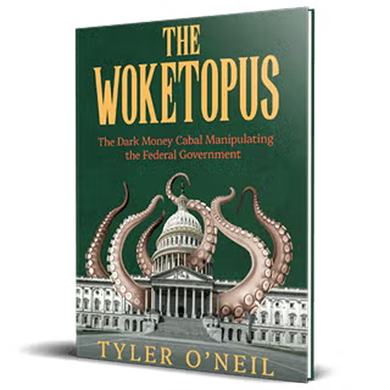
Read the first chapter of The Woketopus right now for FREE
Today, even with President Trump’s victory, leftist elites have their tentacles in every aspect of our government.
The Daily Signal’s own Tyler O’Neil exposes this leftist cabal in his new book, The Woketopus: The Dark Money Cabal Manipulating the Federal Government.
In this book, O’Neil reveals how the Left’s NGO apparatus pursues its woke agenda, maneuvering like an octopus by circumventing Congress and entrenching its interests in the federal government.
You can read the first chapter of this new book for FREE in this eBook, The Woketopus: Chapter One using the secure link below.




The Daily Signal depends on the support of readers like you.
RELATED ARTICLES



Don’t miss the

Don’t miss the signal