
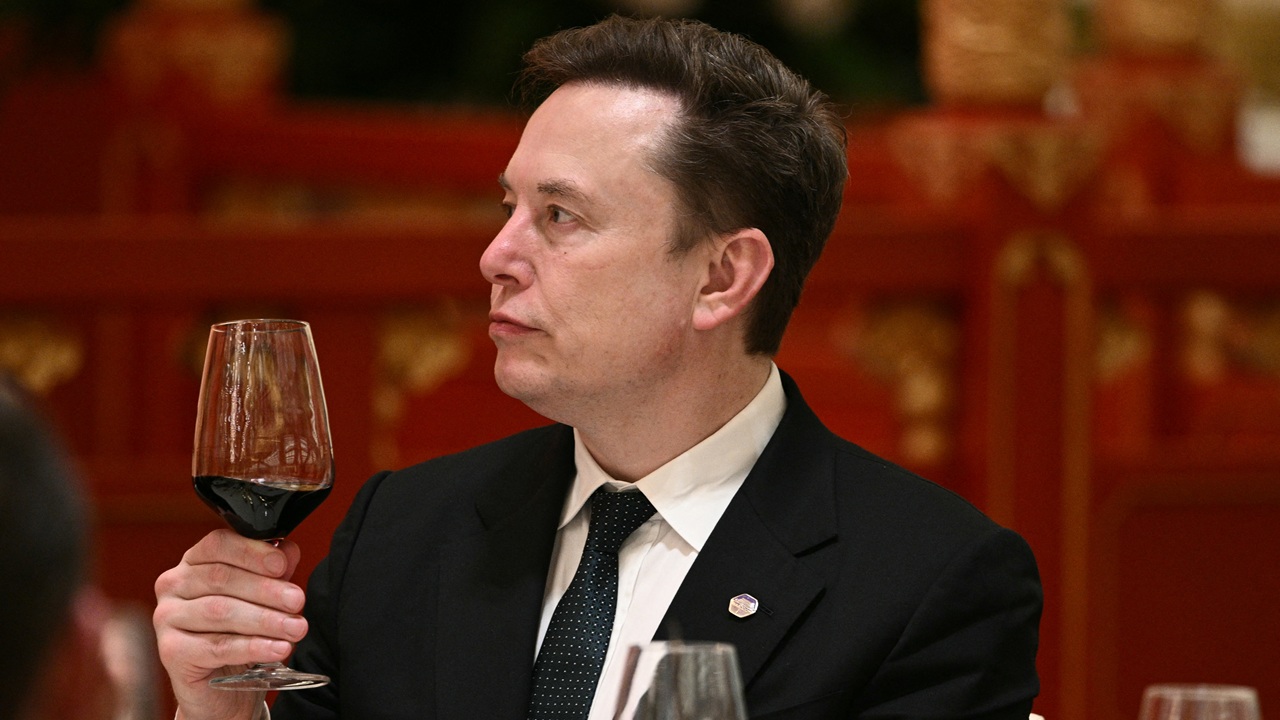
Elon Musk may be one of the greatest entrepreneurs in modern American history, but when SpaceX finally launches its long-anticipated IPO, investors would be wise to look beyond the hype and the typical financial and risk analysis to assess the potentially significant political risk attached to the company.
Retail investors will undoubtedly rush toward a SpaceX IPO. The company revolutionized commercial space launch, dominates satellite deployment, and has significantly expanded global internet access through its Starlink satellite network.
Investors see innovation, dominance, and virtually limitless growth potential—not to mention the fact that Musk has a great track record of creating wealth.
But SpaceX is not a traditional company; it is an extension of Musk, who carries a considerable amount of political baggage.
It operates on the fault lines of politics, regulation, national security, environmental activism, and government co-dependency. That creates a level of political vulnerability many investors may be dangerously underestimating.
The reality is simple: A future Democrat administration hostile to Musk could weaponize the federal bureaucracy against SpaceX in ways that materially impact the company’s operations and, thus, shareholder value.
TRENDING ARTICLES

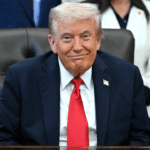

Over the past several years, Democrats and progressive activists have increasingly viewed Musk as a political enemy. His alignment with President Donald Trump, leadership at the Department of Government Efficiency, criticism of DEI policies, and willingness to challenge the political Left have made him one of the most polarizing figures in America.
SpaceX depends heavily on government approvals. Every major launch requires Federal Aviation Administration licensing, environmental review, and safety clearances. A hostile administration would not need to block SpaceX outright to inflict damage. It could simply slow approvals, expand review processes, increase environmental scrutiny, or impose additional procedural hurdles that delay launches and raise costs.
And when it comes to Starship and SpaceX’s Texas operations, the environmental angle is especially important.
The company already faces environmental impact reviews and scrutiny tied to wildlife and coastal protections. A future administration aligned with climate activists could expand protected zones, tighten environmental standards, impose new operational restrictions, or limit launch frequency altogether.
For a company built on rapid launch cadence, regulatory slowdowns are not minor inconveniences but major business threats.
Government contract exposure creates another major risk.
SpaceX relies heavily on NASA and Department of Defense contracts. While supporters of Musk argue the government needs SpaceX because of its superior technology and lower costs, Washington has repeatedly shown that politics often overrides efficiency.
A future administration could redirect contracts toward politically favored competitors such as Blue Origin or United Launch Alliance under the guise of “competition” or “procurement diversification.” Procurement rules could change. Funding cycles could slow. Oversight could intensify.
Starlink also introduces significant regulatory exposure.
The satellite internet network depends heavily on Federal Communications Commission spectrum allocation and international approvals. A future administration could restrict spectrum access, favor competing providers, impose pricing mandates, or create new service obligations that impact profitability.
At the same time, SpaceX’s dominance itself may eventually become a political target.
The company controls enormous launch market share, leads reusable rocket technology, and dominates satellite deployment capabilities. Under a progressive administration eager to crack down on large private companies, antitrust scrutiny would become likely.
Future regulators could investigate pricing practices, restrict bundling between launch services and Starlink deployment, or impose competitive carve-outs designed to strengthen weaker rivals.
Finally, there is the national security dimension.
SpaceX has become deeply embedded within America’s defense infrastructure through military launches, secure communications, and strategic satellite capabilities. As the company’s importance grows, so too will government pressure to exert greater oversight and control.
None of this means SpaceX is not an extraordinary company. It is.
But investors who ignore the political reality surrounding Musk and the increasingly weaponized nature of the American government do so at their own peril.
For a company as politically exposed as SpaceX, political risk shouldn’t be ignored.
We publish a variety of perspectives. Nothing written here is to be construed as representing the views of the Daily Signal.

Read the first chapter of The Woketopus right now for FREE
Today, even with President Trump’s victory, leftist elites have their tentacles in every aspect of our government.
The Daily Signal’s own Tyler O’Neil exposes this leftist cabal in his new book, The Woketopus: The Dark Money Cabal Manipulating the Federal Government.
In this book, O’Neil reveals how the Left’s NGO apparatus pursues its woke agenda, maneuvering like an octopus by circumventing Congress and entrenching its interests in the federal government.
You can read the first chapter of this new book for FREE in this eBook, The Woketopus: Chapter One using the secure link below.




The Daily Signal depends on the support of readers like you.
RELATED ARTICLES



Don’t miss the

Don’t miss the signal
