How do you pass a bill into law that either you cannot pass or that the governor vetoed? Easy. Turn it into a part of the budget that must be passed (at some point).
In 2025 alone, several examples of this chicanery took place.
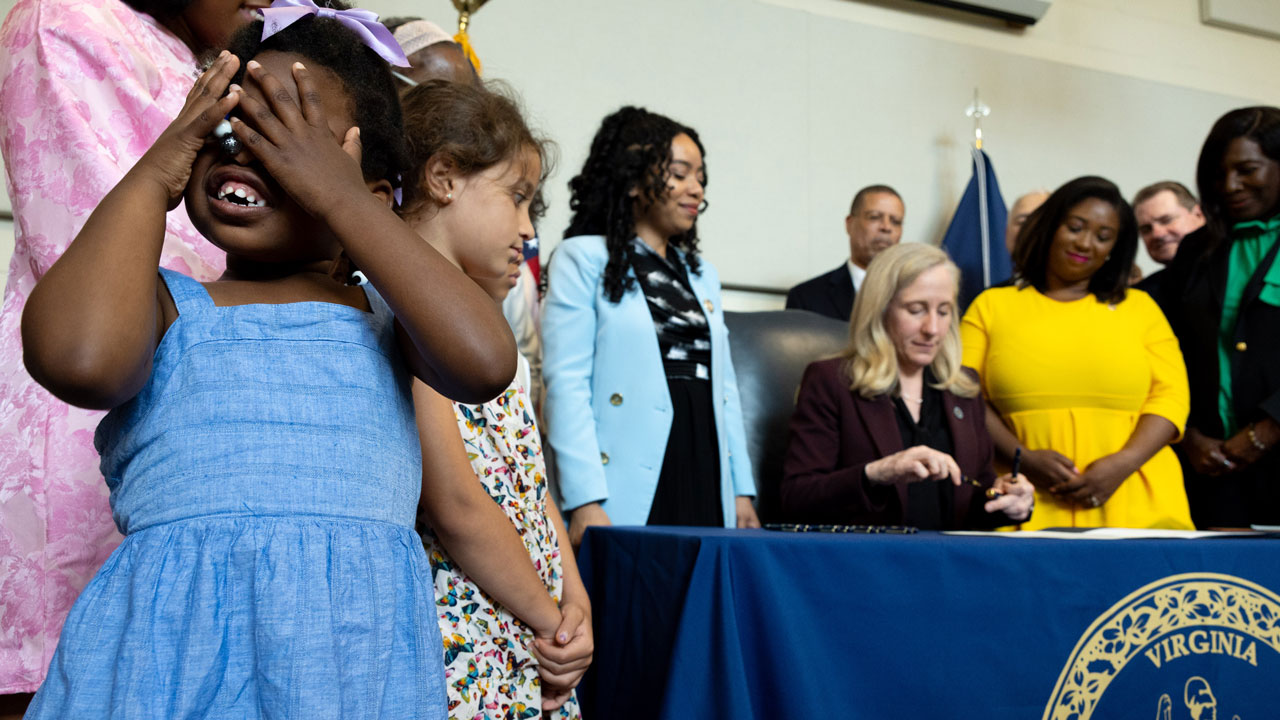
Then-Virginia Gov. Glenn Youngkin was blamed for several “skinny budget” periods during his term because he would veto budget items like the one creating a rental assistance pilot program, stating that the underlying legislation proposed during the 2025 session had failed to pass and that the General Assembly instead inserted the full proposal into the budget bill.
Similarly, a new first-time homebuyer assistance program was funded through the budget even though the underlying legislation had not passed. In his veto message, Youngkin said the proposal should be considered through separate legislation and noted that the legislative effort had failed.
Before the 2025 session ended, county-government advocates openly urged budget conferees to include language from SB 1307—which would levy a 1% local sales tax—in the budget because doing so would provide another route for implementation even if the bill itself were vetoed. A Virginia Association of Counties document explicitly noted that language from the bill had already been placed in the Senate budget proposal.
Guess what’s returned?
TRENDING ARTICLES



State Sen. Creigh Deeds, incapable of getting permission for localities to create the legislation to permit this regressive tax, said during an interview with a Charlottesville radio station that a proposed referendum on the tax will be included in the budget.
How is that a budgeting issue, you ask?
Deeds, one of the most tenured members of the Virginia Senate, explained, “The plan is for it to be part of the bill that passes. I can’t really speculate on what it’s going to look like, but that’s the plan.”
This is the moment when your youthful ward exclaims, “Holy vote for it before you can read it, Batman!”
As best we can ascertain, the plan will be in the form of setting aside funding for the referendum in the budget and then listing the potential collections as part of the state’s commitment to the municipalities.
It is important to note here that aside from whether to continue allowing a tax break for technology purchases made by data center operators, there is little that is known about the state budget besides the eye-popping $212 billion price tag.
One would not be wrong to wonder what all that money will be doing if not paying for construction projects at the public schools, which is what the local tax would pay for, theoretically.
Taxes like these are called regressive because the poorest Virginians will carry the largest burden based on their income if it passes. More “help” from Virginia’s “Affordability Party.”
We publish a variety of perspectives. Nothing written here is to be construed as representing the views of the Daily Signal.

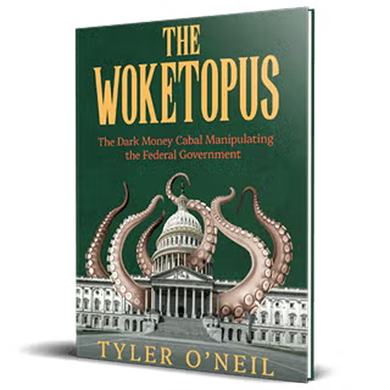
Read the first chapter of The Woketopus right now for FREE
Today, even with President Trump’s victory, leftist elites have their tentacles in every aspect of our government.
The Daily Signal’s own Tyler O’Neil exposes this leftist cabal in his new book, The Woketopus: The Dark Money Cabal Manipulating the Federal Government.
In this book, O’Neil reveals how the Left’s NGO apparatus pursues its woke agenda, maneuvering like an octopus by circumventing Congress and entrenching its interests in the federal government.
You can read the first chapter of this new book for FREE in this eBook, The Woketopus: Chapter One using the secure link below.



The Daily Signal depends on the support of readers like you.
RELATED ARTICLES




Don’t miss the

Don’t miss the signal