
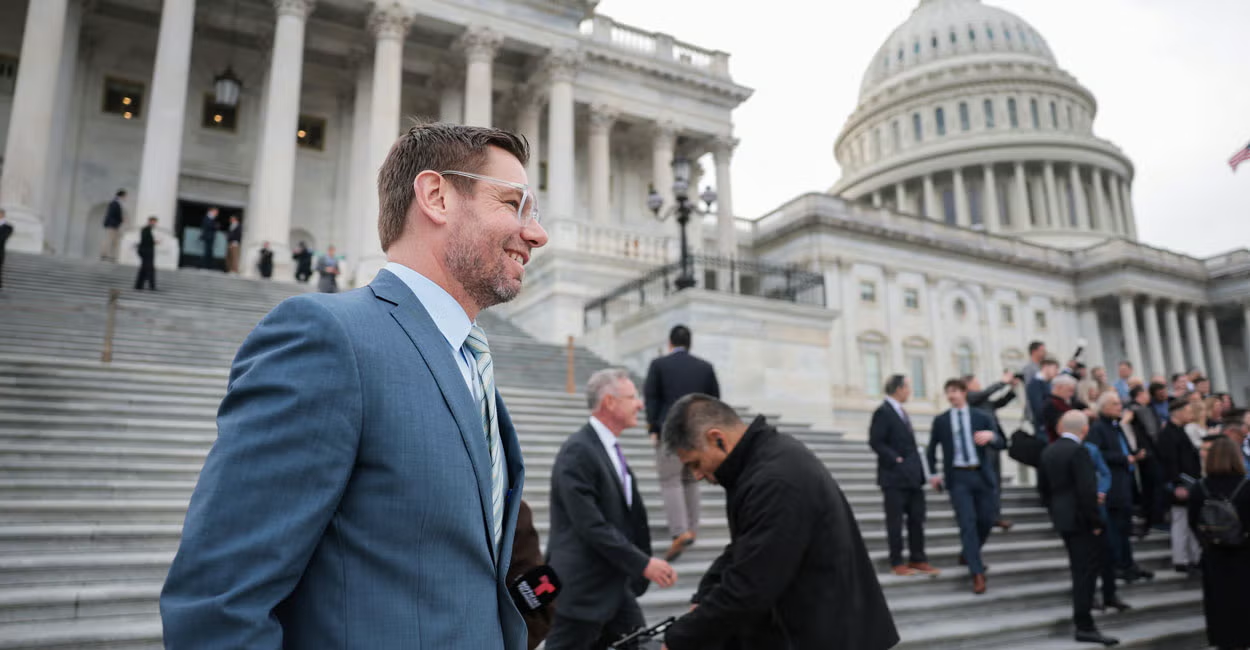
On the morning of Friday, April 10, Rep. Eric Swalwell, D-Calif., was considered to be the leading Democrat in the California gubernatorial primary. Four days later, Swalwell is not only bowing out of the race—but out of Congress entirely.
“I am aware of efforts to bring an immediate expulsion vote against me and other members. Expelling anyone in Congress without due process, within days of an allegation being made, is wrong,” Swalwell said in a statement posted on X. “But it’s also wrong for my constituents to have me distracted from my duties.”
“Therefore, I plan to resign my seat in Congress,” Swalwell’s statement read.
“I am deeply sorry to my family, staff, and constituents for mistakes in judgment I’ve made in my past. I will fight the serious, false allegation made against me,” Swalwell added. “However, I must take responsibility and ownership for the mistakes I did make.”
TRENDING ARTICLES



Swalwell’s career was upended over the weekend when the San Francisco Chronicle and CNN published reports on Friday in which multiple unnamed women came forward accusing the California congressman of sexual assault.
Swalwell has repeatedly denied the allegations levied against him.
“These allegations are flat false,” Swalwell posted on X with a video statement attached. “And I will fight them.”
Despite Swalwell’s denials, more than 20 major Democrats and several large political organizations withdrew their endorsements of Swalwell’s gubernatorial campaign.
By Sunday night, Swalwell had suspended his gubernatorial campaign.
As Congress prepared to return from a two-week recess on Tuesday, both Democrats and Republicans were calling on Swalwell to resign. Reports suggested that both Republicans and Democrats were considering an effort to expel problematic members such as Swalwell and Rep. Tony Gonzales, R-Texas.
Prior to Swalwell’s Monday afternoon statement, the House Ethics Committee announced it would investigate the allegations against Swalwell.

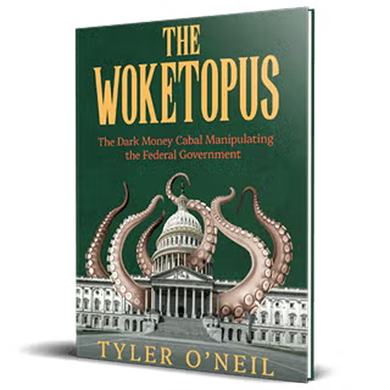
Read the first chapter of The Woketopus right now for FREE
Today, even with President Trump’s victory, leftist elites have their tentacles in every aspect of our government.
The Daily Signal’s own Tyler O’Neil exposes this leftist cabal in his new book, The Woketopus: The Dark Money Cabal Manipulating the Federal Government.
In this book, O’Neil reveals how the Left’s NGO apparatus pursues its woke agenda, maneuvering like an octopus by circumventing Congress and entrenching its interests in the federal government.
You can read the first chapter of this new book for FREE in this eBook, The Woketopus: Chapter One using the secure link below.


The Daily Signal depends on the support of readers like you.
RELATED ARTICLES





Don’t miss the

Don’t miss the signal