Why the Obama Administration Just Expanded the Central American Refugee Program
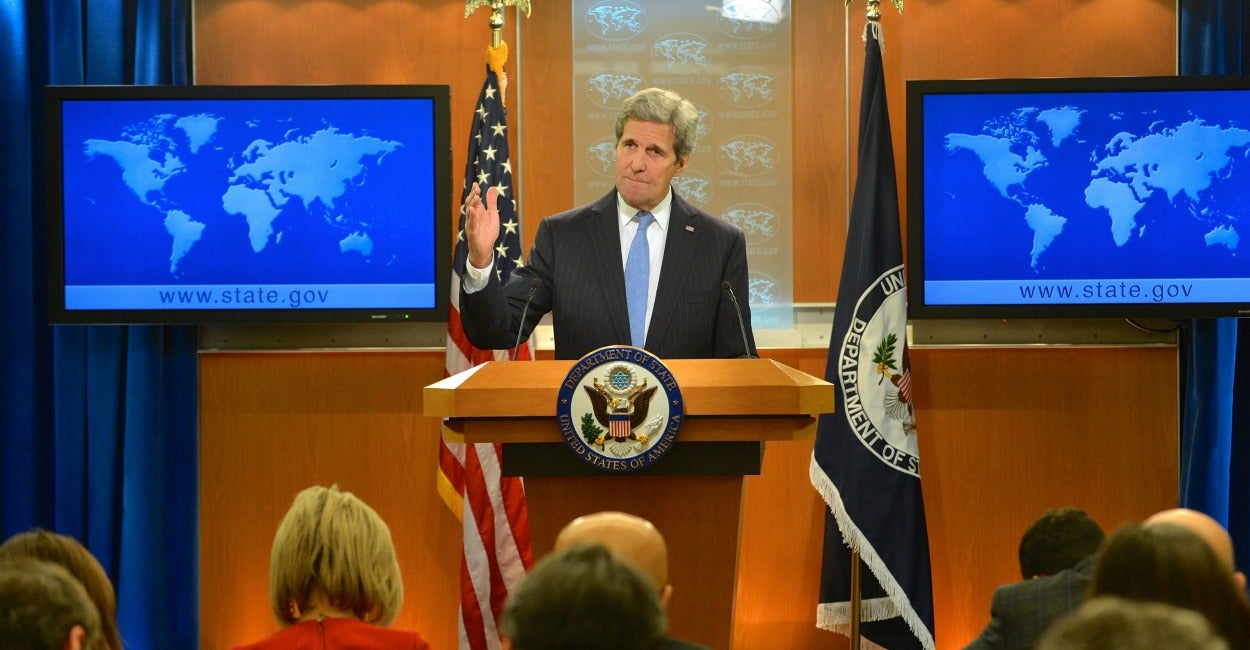
This week, Secretary of State John Kerry announced that the U.S. would “expand” its “refugee admission program in order to help vulnerable families and individuals from the Northern Triangle countries of El Salvador, Guatemala, and Honduras.”
But what exactly does this mean? Here are three important facts on the issue:
1) Who qualifies as a refugee?
A refugee has a specific definition under U.S. law as someone who:
- Is located outside the United States
- Is of special humanitarian concern to the United States
- Demonstrates that he was persecuted or fear persecution due to race, religion, nationality, political opinion, or membership in a particular social group
- Is not firmly resettled in another country
- Is admissible to the United States
This definition parallels the international definition of refugee. Based on this definition, it does not appear that most looking to enter the U.S. from El Salvador, Guatemala, or Honduras qualify for refugee status.
While there is terrible and endemic violence in these regions, this does not equal persecution based on race or religious beliefs.
TRENDING ARTICLES

2) What did the State Department “expand”?
The State Department expanded who can apply for refugee status while still in his home country. In 2014, the administration first opened up this process for children from El Salvador, Guatemala, and Honduras, who have parents legally in the U.S.
The State Department is now allowing anyone to apply for refugee status to the U.S. from within his home country. Typically, refugees are outside their home country when they apply, but the U.S. is making an exception for those from the three countries within the Northern Triangle.
The U.N. High Commissioner on Refugees (UNHCR) is also going to be involved in handling and assisting those who would like to apply for refugee status. While the UNHCR will now play a role in accepting refugee applications, it is up to the U.S. to ultimately make the determination.
3) Will the U.S. be accepting more refugees from Northern Triangle nations?
The evidence currently available points to “no.”
The State Department sets a cap on refugees every year and divides that number across the different regions of the world. All of Latin America and the Caribbean has a quota of 3,000 in fiscal year 2016, only slightly higher than the 2,050 accepted in fiscal year 2015 but lower than the 4,318 that arrived in fiscal year 2014. While the administration can change these caps if it wants, so far it has stated that it does not intend to. Off-the-record statements by administration officials calling for as many as 9,000 refugees a year from Northern Triangle countries potentially paint a different picture.
Importantly, because most of the victims of violence in the Northern Triangle do not qualify as refugees under our law, the U.S. would have to weaken its refugee definition to allow most in these countries to gain refugee status.
But this would have harmful side effects, which would include allowing most illegal immigrants who show up at U.S. border to successfully claim asylum (a numerically uncapped category that has a similar definition to refugee but is for people already in the U.S.). This would then encourage even more people to make the dangerous journey to enter the U.S. illegally and claim asylum.
In addition to the ongoing challenges from Northern Triangle countries, the U.S. faces a host of immigration challenges, such as concerns over vetting (particularly from Syrian refugees) and collapsing immigration enforcement. These problems must be dealt with by Congress and this administration (or the next one).
The U.S. should ensure that vetting is done properly and that immigration laws are being carried out so that the U.S. remains safe and prosperous.
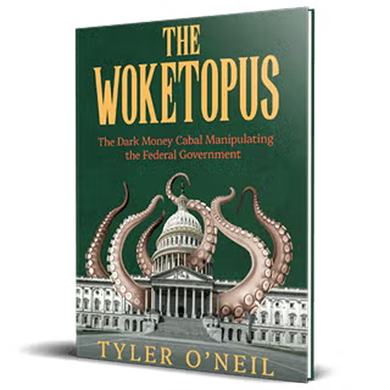
Read the first chapter of The Woketopus right now for FREE
Today, even with President Trump’s victory, leftist elites have their tentacles in every aspect of our government.
The Daily Signal’s own Tyler O’Neil exposes this leftist cabal in his new book, The Woketopus: The Dark Money Cabal Manipulating the Federal Government.
In this book, O’Neil reveals how the Left’s NGO apparatus pursues its woke agenda, maneuvering like an octopus by circumventing Congress and entrenching its interests in the federal government.
You can read the first chapter of this new book for FREE in this eBook, The Woketopus: Chapter One using the secure link below.



The Daily Signal depends on the support of readers like you.
RELATED ARTICLES


Don’t miss the

Don’t miss the signal