Once Again, the Private Option Is Cheaper, More Effective Than Government Program
The Social Security Disability Insurance (SSDI) program has many problems. For starters, it will run out of money next year, which could mean 20-percent benefit cuts. The program also suffers from excessive wait times, complicated rules and procedures, inconsistent decisions, deficient rehabilitation services and insufficient protections against fraud.
Introducing an optional, private disability insurance component could ease the program’s financial problems and improve the physical and economic well-being of the disabled. Private disability insurance providers face a bottom line—if their premiums can’t cover costs, they go out of business. SSDI faces Congress—and therefore can escape financial reality. Can’t cover costs? Just ask Congress to hike raises, a request that lawmakers have a hard time refusing. Since 1956, the SSDI tax rate—taken direct from every paycheck—has more than tripled.
But competition keeps private insurers from hiking premiums whenever they want more money. If they increase prices without providing better benefits, they lose clients. Taxpayers, however, can’t opt to take their SSDI tax payments and shop elsewhere.
Another key difference: private disability insurers are highly motivated to help individuals recover to the greatest degree possible and return to work. It keeps down their costs and premiums, and helps them attract more business.
In the SSDI program, however, structural problems let too many people apply for and receive benefits, and offer no incentive to help beneficiaries recover and resume working.
Why are private disability insurers more efficient than the government program? Let me count the ways. They are bound by law to issue a disability determination within 60 days of application for benefits. The average wait time for an initial SSDI determination is 107 days. Appeals take another 445 days, on average. More timely determinations alleviate financial and physical hardship for those who receive benefits.
TRENDING ARTICLES



Private disability insurers also do a better job distinguishing legitimate claims from fraudulent ones. For example, difficult-to-verify claims of mental and musculoskeletal disorders accounted for 62 percent of all SSDI claims in 2011, but only 35 percent for claims handled by private insurers. And instead of just mailing out check-the-box continuing disability reviews, private insurance caseworkers perform thorough reviews to help ensure that those who recover do not continue receiving unnecessary benefits.
After granting benefits, private disability insurers work with the beneficiaries, their employers and their doctors to help pursue proper health care and workplace accommodations that allow more disabled individuals to get back to work. The SSDI program, on the other hand, lacks effective rehabilitative services. In fact, it actually withholds Medicare services from beneficiaries for the first two years they collect benefits—the very time when proper health and rehabilitative services could provide the greatest benefit.
The many benefits of private disability insurance come at a cost—and it’s significantly lower than SSDI. The average private policy costs about $20 per month, or $245 per year—less than a third of what SSDI costs.
Congress could and should capitalize on the advantages offered by private disability insurers. One way to do this: reduce the SSDI payroll tax rate for employers who choose to offer private insurance that would cover disabled workers for the first two or three years of disability. The private plan would work as “gap coverage,” giving disabled workers the benefits and rehabilitative services they need. If, after two or three years, they remain unable to work, the disabled would then transition to SSDI.
This would not be a privatization mandate. No employer would be required to provide private disability insurance. But those who did could potentially reduce employment costs and improve disabled-employee outcomes.
Private disability insurance offers solutions that could make life better for the disabled, their employers and all American taxpayers. Congress has little to lose and much to gain by giving employers the option of providing private disability insurance.
Originally published at The Washington Times.

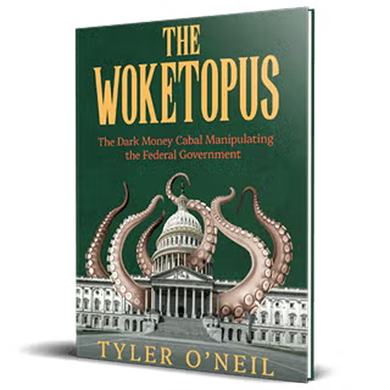
Read the first chapter of The Woketopus right now for FREE
Today, even with President Trump’s victory, leftist elites have their tentacles in every aspect of our government.
The Daily Signal’s own Tyler O’Neil exposes this leftist cabal in his new book, The Woketopus: The Dark Money Cabal Manipulating the Federal Government.
In this book, O’Neil reveals how the Left’s NGO apparatus pursues its woke agenda, maneuvering like an octopus by circumventing Congress and entrenching its interests in the federal government.
You can read the first chapter of this new book for FREE in this eBook, The Woketopus: Chapter One using the secure link below.


The Daily Signal depends on the support of readers like you.
RELATED ARTICLES





Don’t miss the

Don’t miss the signal