
Summary
- Mississippi’s voter list accuracy measures sparked controversy following the midterm elections.
- Affidavit ballots allow voters to cast provisional ballots while election officials verify their eligibility.
- Mississippi’s use of commercial data strengthens election integrity and improves voter roll accuracy.
The ink was not even dry on Mississippi’s November 2026 midterm ballots when the manufactured outrage machine began.
Advocacy groups and members of the press piled on because voters flagged as inactive had to cast affidavit (provisional) ballots that required additional review before they were counted. Critics claim it was an unnecessary burden on eligible voters, because some voters were marked inactive in error.
Strip away the outrage, and here is what happened: Mississippi enacted strong list accuracy measures, followed the law, and a large majority of affidavit ballots were found eligible and counted.
The Help America Vote Act requires every state to offer a provisional ballot to a voter whose eligibility or registration status is in question at the polls, and the affidavit ballot is simply Mississippi’s version of it. Far from suppressing the vote, it is the lawful safeguard and safety net that lets a voter cast a ballot while also ensuring that election officials verify eligibility before counting it.
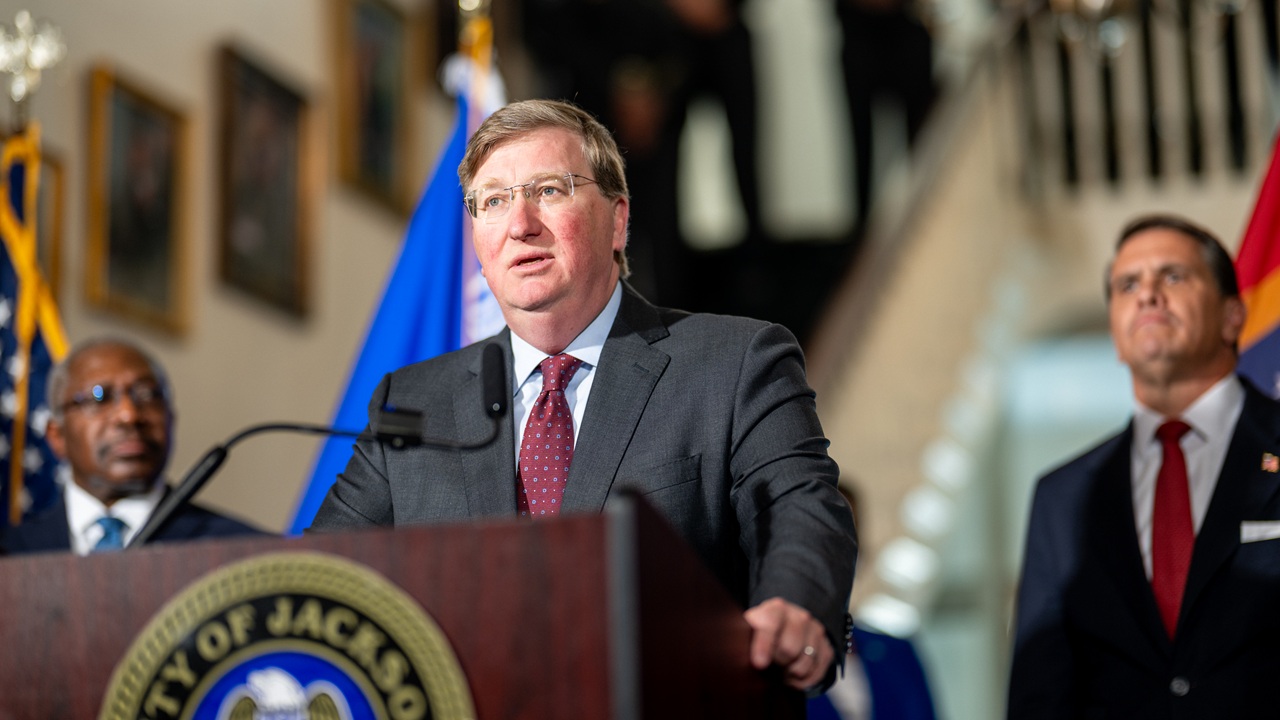
Because the results in the Mississippi Senate race are so close, each affidavit ballot is being scrutinized, and unfair accusations are being thrown at election officials.
TRENDING ARTICLES


In 2025, Mississippi Secretary of State Michael Watson’s office initiated a responsible list-maintenance program that gave county election commissioners the best available address information, including commercial data, to supplement the U.S. Postal Service’s National Change of Address (NCOA) data. This information simply starts the mail notice to voters requesting that they confirm their current address, a process under the federal National Voter Registration Act.
Local officials were then tasked to flag discrepancies and verify them before updating anyone’s status. An eligible voter who is flagged simply confirms or updates his or her address and can vote, and the affidavit ballot gives the voter the chance to cure the problem and ensures that no eligible voter is turned away.
Affidavit ballots are cast for a variety of reasons, including the lack of ID to provide identity. While there is an extra step of review by nonpartisan election officials, according to the Mississippi secretary of state, as of Nov. 6 about 78% of affidavit ballots have been accepted after confirmation of eligibility or cure by the voter.
Watson has pointed out that county election commissioners are required by law to verify information before changing a voter’s file. He has also defended the affidavit ballot as “a safety net for errors” in voter roll maintenance, one that leads to “more accurate voter rolls” and helps “decrease opportunities for voter fraud.”
Mississippi’s efforts point to a broader lesson for list accuracy. In its Election Integrity Scorecard, the Heritage Foundation recommends that states not rely solely on NCOA to identify registrants who have moved. Instead, they should supplement NCOA data with high-quality commercial data, such as that from credit reporting agencies, to verify addresses and flag discrepancies between registration records and actual residence. Commercial data is simply a tool that can help election officials catch address changes and inaccurate records that NCOA and other government sources miss.
The Census Bureau’s American Community Survey shows an estimated 11.6 % of the population moved to a different residence in 2025, including 2.08% who moved to a different state. This becomes an election administration problem, because a substantial number of voters are moving without informing election officials or the Postal Service.
The Bipartisan Policy Center reached that conclusion in its September 2025 report, “Modernizing Voter List Maintenance.” It observed that roughly one in five moves within the United States occur between states and that “[M]any voters don’t file change-of-address requests with the U.S. Postal Service. When they do, there isn’t always sufficient information to match them with voter registration records.”
The Pew Center on the States’ 2012 research drew attention to the inaccuracy problem in voter registration. It found that approximately 24 million registrations were no longer valid or were significantly inaccurate, including more than 1.8 million deceased individuals listed as voters; that approximately 2.75 million people were registered in more than one state; and that about 12 million records had incorrect addresses.
And don’t just take it from the think tanks—the Supreme Court agrees with them. In Husted v. A. Philip Randolph Institute, the Supreme Court recognized this problem when it upheld Ohio’s supplemental list maintenance process for removing registrants who have moved. It stressed the importance of keeping registration lists “accurate and current” and observed that roughly one in eight voter registrations is “either invalid or significantly inaccurate.”
NCOA would miss registrants who move without filing a change of address, which is why Ohio needed an additional process to identify those who have likely moved but were missed. Because NCOA depends on the mover to report the change, it cannot by itself catch the move, and additional data sources are needed to identify the new and best address.
In the last few years, Mississippi has emerged as one of the states taking concrete, innovative steps on election integrity and voter list accuracy. For example, the Mississippi state election office adds transparency to voter registration activities, publishing the active voter counts for all 82 counties each month, giving the public a regular look at how well the voter lists are being maintained.
The results have been revealing. Each month, the Mississippi secretary of state’s Elections Division compares the active voter count in each county to a Census estimate and highlights counties over 100% of eligible citizens in registration.
In the October Active Voter Count Report, three counties’ voter registration numbers exceeded 100% of their estimated citizen voting-age population: Humphreys (107.987%), Hancock (101.569%), and Smith (100.193%). Four more were above 95%: Holmes (98.045%), Tallahatchie (96.952%), Hinds (96.748%), and Leflore (95.259%). In Humphreys County, there are nearly 8% more active registrations than the estimated number of eligible citizens in the jurisdiction.
A rate at or above 100% is strong evidence that ineligible, moved or deceased registrants remain on the rolls and are not being removed promptly.
While Mississippi’s use of commercial data has drawn some criticism over the increased number of affidavit ballots in the 2026 midterm election, that experience does not undercut the need to provide up-to-date data to localities; it simply reinforces the point that commercial data should be treated as a lead for investigation rather than a conclusion.
Mississippi was right to act to improve the accuracy of its voter rolls, and its officials deserve credit, not criticism, for taking the integrity of the state’s voter registration lists seriously. Reports that some of the data went unverified are a reason to create standards and reinforce safeguards in the use of commercial data, not abandon a valuable tool. County officials must verify every lead and use the most current information before changing a voter’s status.
By adding commercial data to Postal Service NCOA and publishing county-by-county numbers every month for public scrutiny, Mississippi has paired better data with real transparency and accountability. That combination strengthens the process of maintaining accurate voter rolls and is a real step toward improving the integrity of elections.

Read the first chapter of The Woketopus right now for FREE
Today, even with President Trump’s victory, leftist elites have their tentacles in every aspect of our government.
The Daily Signal’s own Tyler O’Neil exposes this leftist cabal in his new book, The Woketopus: The Dark Money Cabal Manipulating the Federal Government.
In this book, O’Neil reveals how the Left’s NGO apparatus pursues its woke agenda, maneuvering like an octopus by circumventing Congress and entrenching its interests in the federal government.
You can read the first chapter of this new book for FREE in this eBook, The Woketopus: Chapter One using the secure link below.

The Daily Signal depends on the support of readers like you.
RELATED ARTICLES





Don’t miss the

Don’t miss the signal
